
Faizabad (city in Uttar Pradesh, India)
Faizabad is a historic city in northern India, long associated with the Nawabs of Awadh and neighbouring Ayodhya; known for its cultural heritage, tombs and role as an administrative and pilgrimage gateway.
Faizabad is a historic city in northern India, located in the present-day state of Uttar Pradesh. It grew as the seat of the Nawabs of Awadh and for more than two centuries served as an administrative and cultural centre of the region. Faizabad lies on the floodplain of the Sarayu/Ghaghara river system and immediately adjoins the ancient pilgrimage city of Ayodhya, with which it has formed a closely linked urban and municipal area.
Image gallery
10 Images




Characteristics and urban fabric
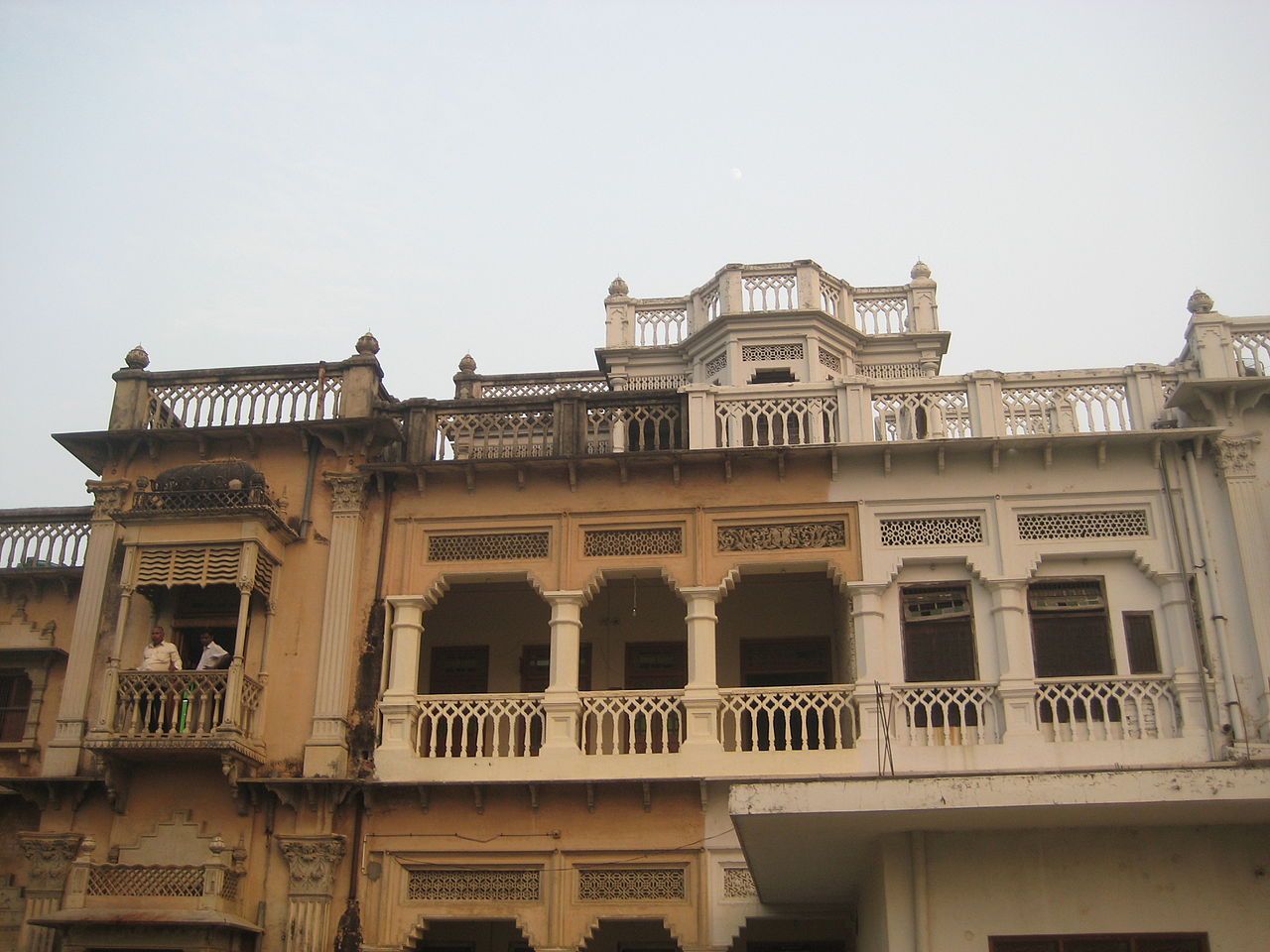
The cityscape of Faizabad reflects layers of Mughal, Indo-Islamic and local Awadhi architecture. Parks, tombs, mosques and palatial remains from the period of the Nawabs are set alongside 19th- and 20th-century civic buildings, bazaars and residential neighbourhoods. Traditional handicrafts, regional cuisine and weekly markets continue to be important features of everyday life. Faizabad’s proximity to Ayodhya makes it a gateway for pilgrims and visitors drawn to the temples and riverfronts of the adjoining city.
Origins and historical development
Faizabad rose to prominence in the early 18th century when the Nawabs of Awadh established their court in the area. Under Nawabi patronage the town expanded rapidly, becoming a capital and cultural centre notable for garden tombs and mausolea built for members of the ruling family. During the 19th century many administrative functions and continued patronage consolidated Faizabad’s role in regional politics and culture. Over time, and particularly in the modern period, nearby Lucknow eclipsed Faizabad as the principal capital of Awadh, but Faizabad retained historical importance and local administrative roles.
Uses, economy and cultural importance
Historically an administrative capital, Faizabad today functions as a regional urban centre serving surrounding rural districts. Its economy combines government services, small trade, artisanal crafts and hospitality related to pilgrimage and tourism. The city is also an entry point for visitors heading to the sacred sites of adjoining Ayodhya; many hotels, shops and transport services cater to religious tourism. Cultural life preserves Awadhi music, cuisine and ritual practices that reflect centuries of syncretic regional traditions.
Notable monuments and sites
- Garden mausolea and the tombs associated with the Nawabs, known for landscaped settings.
- Historic mosques and palaces that illustrate late Mughal and regional Awadhi styles.
- Traditional markets and streets where local crafts and foods are sold.
Administrative changes and modern context
In recent years Faizabad’s administrative identity has been closely intertwined with Ayodhya. State-level reorganisations and renaming of districts have brought renewed attention to the twin cities as a combined civic area. Transport links by road and rail connect Faizabad with larger regional centres, and ongoing development projects aim to balance heritage conservation with contemporary urban needs.
Today Faizabad is best understood as a city of layered histories: a former courtly capital with surviving monuments, a local commercial hub, and a partner to Ayodhya in the region’s religious and civic life. Its character derives from the confluence of political history, architectural legacy and continuing cultural traditions that remain visible in its streets, buildings and festivals.
Related articles
Author
AlegsaOnline.com Faizabad (city in Uttar Pradesh, India) Leandro Alegsa
URL: https://en.alegsaonline.com/art/33313
Sources
- nclm.nic.in : "Archived copy"
- census2011.co.in : census2011.co.in/census/city/139-faizabad.html
- nagarnigamayodhya.in : nagarnigamayodhya.in/pages/en/newtopmenu/faizabad-city/en-population