
Prégilbert
Prégilbert is a small rural commune in the Yonne department of Bourgogne-Franche-Comté in central France, typical of local French municipal life, history and countryside.
Overview
Prégilbert is a small commune situated in the Yonne department, in the centre of France. As with other French communes, it forms the lowest level of administrative division and provides local public services. The settlement is characteristic of rural communities in the historic Burgundy area: modest in size, largely residential and agricultural, and closely connected to nearby towns and markets.
Image gallery
2 Images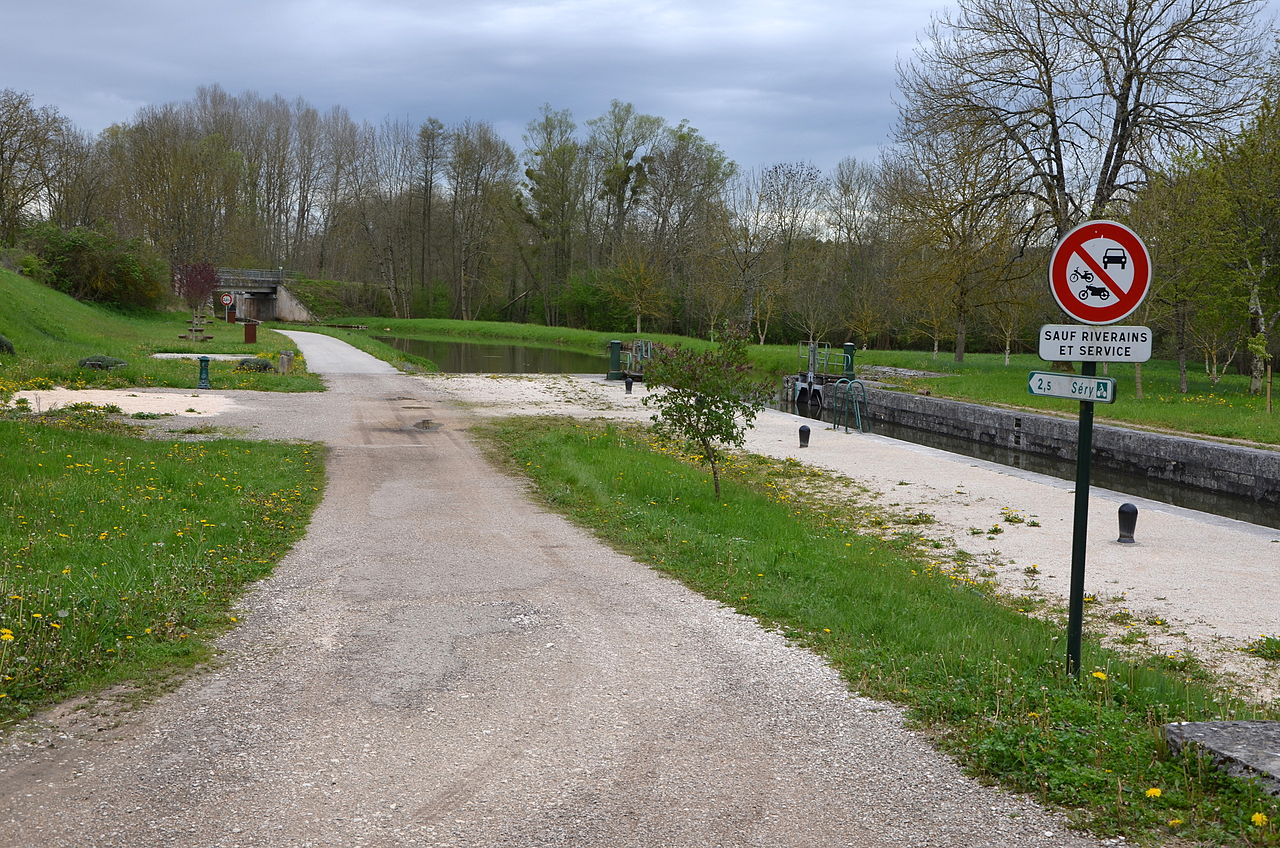

Characteristics and landscape
Prégilbert typically comprises a village core with a mairie (town hall), a parish church or chapel, and scattered houses and farms. Surrounding land is commonly a mix of arable fields, meadows and pockets of woodland. Local architecture often reflects regional building traditions, using stone and timber with simple, functional forms. The pace of life is generally quiet, with seasonal rhythms set by farming and local events.
History and development
The pattern of settlement found in Prégilbert has roots that often extend back to medieval times, though the formal status of communes dates from the French Revolution. Over centuries these places developed around agriculture, routes of trade, and parish structures. Many small communes in Yonne preserve traces of older building phases — such as Romanesque or later medieval elements in churches — and layers of change from rural modernization in the 19th and 20th centuries.
Economy and local life
Economic activity in and around Prégilbert is usually dominated by agriculture, small-scale local services, and commuting to larger towns for work. Residents may be involved in mixed farming, artisanal enterprises or hospitality for visitors seeking quiet countryside stays. Community life often revolves around municipal initiatives, cultural associations and annual festivals that maintain local identity.
Administration and significance
- Local government: Like other communes, Prégilbert is administered by a mayor and municipal council responsible for services, planning and records.
- Regional context: It is part of the broader administrative structures of the department and region, which coordinate education, transport and development.
- Visitor interest: Visitors are generally drawn by rural scenery, historic buildings and the slower pace of provincial life.
For concise official details and practical information about local services, events or administrative procedures, regional or departmental resources and municipal notices are the best starting points; these are commonly available through departmental portals and the commune's own communications channels.
Related articles
Author
AlegsaOnline.com Prégilbert Leandro Alegsa
URL: https://en.alegsaonline.com/art/78709
Sources
- insee.fr : INSEE