
Požega-Slavonia County
Požega-Slavonia County in eastern Croatia, centered on the town of Požega; known for the Požega Valley, viticulture, rolling hills and Papuk Nature Park; a region of agriculture, history and rural tourism.
Overview
Požega-Slavonia County is an administrative region in eastern Croatia centered on the town of Požega. The county occupies a mix of fertile lowlands and wooded highlands and combines rural settlements, small urban centers and protected natural areas. Its seat and largest town is Požega, which serves as the local cultural and administrative hub.
Image gallery
10 Images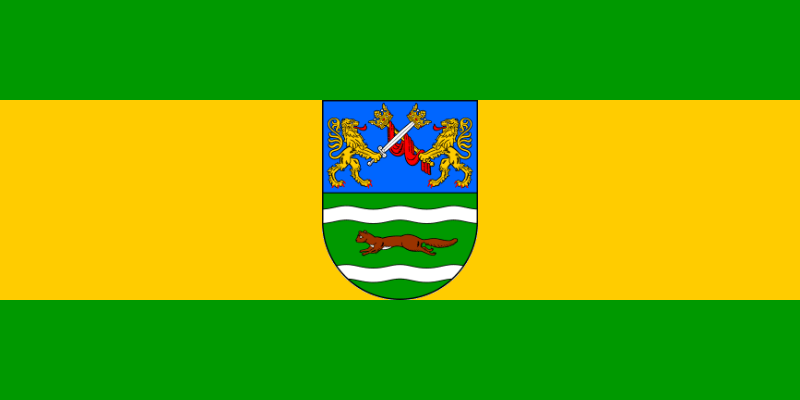



Geography and natural features
The county includes the Požega Valley—an agricultural basin surrounded by several low mountain ranges, including slopes and forests that are part of the Papuk area. Papuk and adjacent hills contain trails, viewpoints and geological features recognized for their scientific and recreational value. Much of the landscape is used for farming, orchards and vineyards, interspersed with woodlands.
History and culture
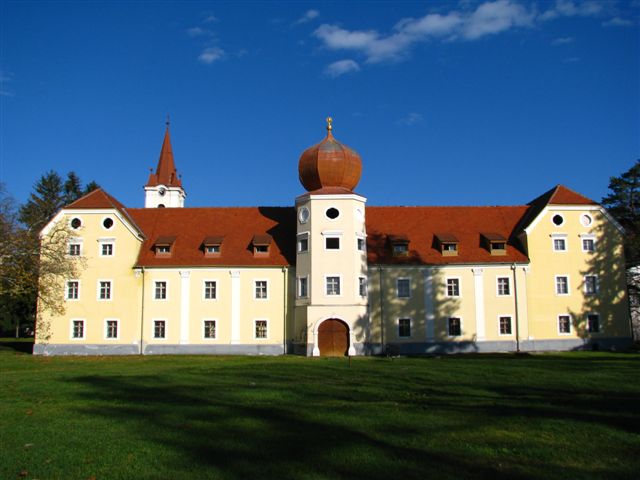
This part of Slavonia has a layered history shaped by medieval Croatian estates, Ottoman frontier periods and later Habsburg administration. That history is reflected in local architecture, churches, manor houses and folk traditions. Towns and villages host seasonal events and small museums that preserve regional crafts, music and cuisine.
Economy and tourism
Agriculture remains central to the local economy: arable crops, fruit production and wine-growing are prominent. The area around Kutjevo and nearby cellars is especially associated with viticulture. Rural tourism, hiking in the Papuk area and wine-tasting activities attract visitors seeking outdoor recreation and cultural experiences.
Administration and notable facts
The county is governed from its seat, with municipalities and towns managing local services. It is valued for its quiet countryside, accessible nature areas and an agricultural heritage that continues to shape daily life. Visitors often combine cultural sightseeing in Požega with excursions into the valley and surrounding hills.
- Key attractions: Požega Valley landscapes, Papuk nature and trails
- Economic focus: farming, vineyards and small-scale industry
- Cultural highlights: regional festivals, historic buildings and local gastronomy
Related articles
Author
AlegsaOnline.com Požega-Slavonia County Leandro Alegsa
URL: https://en.alegsaonline.com/art/78574
Sources
- dzs.hr : Statistički ljetopis Republike Hrvatske 2015
- worldcat.org : 1333-3305
- dzs.hr : "Population by Age and Sex, by Settlements, 2011 Census: County of Požega-Slavonia"
- commons.wikimedia.org : Požega-Slavonia County
- tools.wmflabs.org : 45°18′40″N 17°44′24″E / 45.311°N 17.740°E / 45.311; 17.740