
Pontifical Catholic University of Chile
A major private Catholic university in Santiago, founded in 1888. Known for broad academic programs, research, and public engagement, it is a leading institution in Chilean higher education.
The Pontifical Catholic University of Chile (Pontificia Universidad Católica de Chile) is a private Catholic university based in Santiago, Chile. Established by an archiepiscopal decree in 1888, it has grown from a small institution with a few subjects into a comprehensive university offering undergraduate, graduate, and professional education across many fields. While maintaining a Catholic identity, the institution is widely engaged in secular scholarship, research, and public affairs.
Image gallery
3 Images
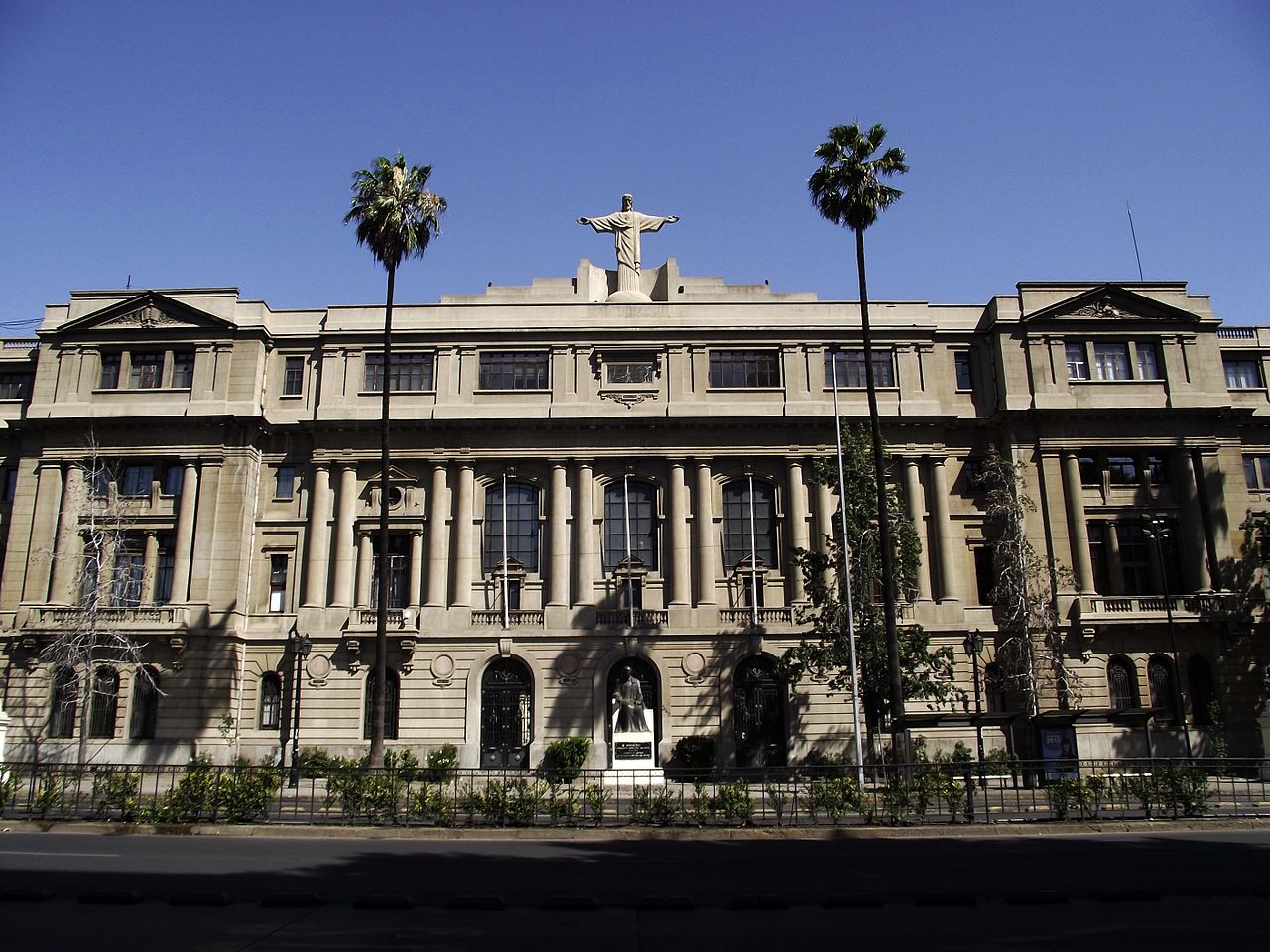

History and development
The university was founded in 1888 with an initial curriculum that included law and mathematics, reflecting early priorities in training professionals and administrators. Over subsequent decades it expanded its academic offerings, built multiple campuses in Santiago, and broadened facilities for teaching and research. At a later point the Holy See recognized the university with the pontifical title, emphasizing its formal link to the Catholic Church while allowing it to operate as a modern research university.
Structure, campuses and faculties
Today the institution comprises a variety of faculties, schools, and research centers. Typical divisions cover the humanities and social sciences, natural sciences, engineering, medicine, law, business, and architecture. Major campus sites in Santiago include the historic central campus and larger modern campuses that host laboratories, libraries, and cultural venues. The university also houses museums, clinical facilities, and outreach programs that serve the wider community.
Key features often noted about the university include:
- a comprehensive range of academic programs from undergraduate to doctoral levels;
- an emphasis on research across disciplines and collaboration with national and international partners;
- institutional ties to the Catholic Church alongside involvement in secular education and public policy;
- strong professional schools in areas such as engineering, law, medicine, and business.
The university has played a visible role in Chilean public life by educating professionals, producing research that informs policy, and contributing to cultural and scientific institutions. It has produced leaders in government, academia, business, and the arts, and is commonly regarded among the country’s leading universities for its academic output and societal impact.
For more on its origins and development, see historical summaries and institutional publications, or consult sources that track the growth of higher education in Chile. The university’s early role as one of the first Chilean institutions to emphasize professional training and entrepreneurship is noted in many overviews of Chilean education history: early universities in Chile.
Related articles
Author
AlegsaOnline.com Pontifical Catholic University of Chile Leandro Alegsa
URL: https://en.alegsaonline.com/art/77997