
Pontic Greeks: history, language and culture of the Greeks of Pontus
Ethnic Greeks whose ancestral homelands are the Pontus region on the southern Black Sea coast; noted for a distinct dialect, traditions, and a history tied to the Empire of Trebizond and the Ottoman era.
The Pontic Greeks, also called Pontians or Greeks of Pontus, are an ethnocultural Greek community whose historical homelands lie along the southern coast of the Black Sea in what is now northeastern Turkey. The community is defined by a shared regional origin in Pontus, its own vernacular known as Pontic Greek, and cultural traditions—music, dances and cuisine—that distinguish it from other Greek groups.
Image gallery
10 Images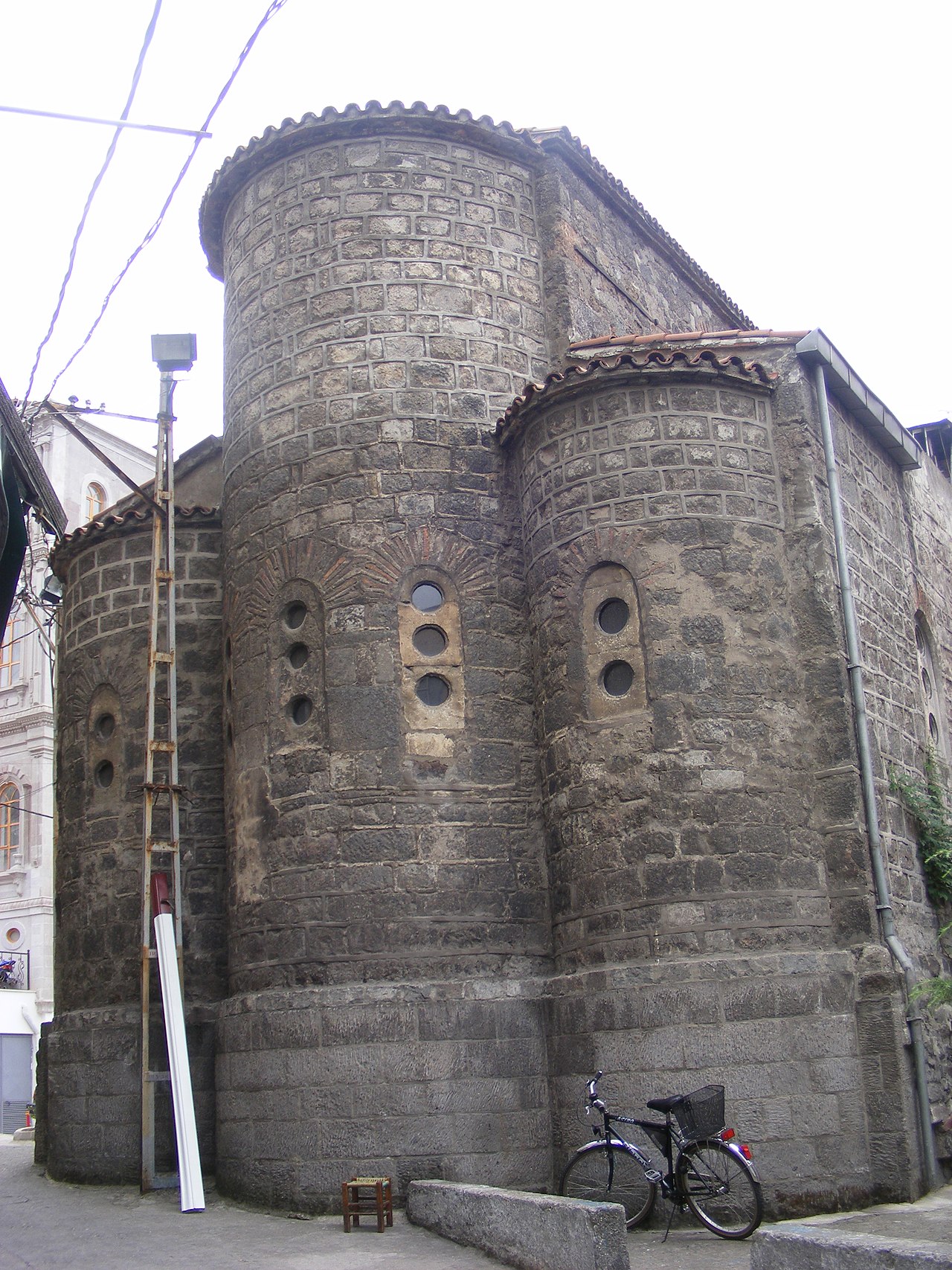


Language and cultural traits
Pontic Greek (sometimes referenced in scholarship as Pontic) is a group of dialects that preserves many archaic Greek features and shows influences from Turkish, Armenian and other local languages. Traditional Pontic culture includes specific musical styles, such as the lyra-centered repertoire, lively dances often performed at weddings and commemorations, and unique recipes based on local Black Sea ingredients.
Historical outline
Greeks settled the southern Black Sea coast from antiquity; the region later formed the core of the medieval Empire of Trebizond (1204–1461). After Ottoman conquest the Pontic Greeks continued to live across coastal towns and mountainous inland villages. From the late nineteenth century through World War I and its aftermath, members of the community experienced deportations, killings and forced migrations as part of the collapsing Ottoman order and the chaotic national conflicts of the era. A large-scale population transfer in 1923 formally relocated many survivors to the Greek state, reshaping demographic realities.
- Origins: ancient Greek colonization and continuous settlement.
- Medieval autonomy: Empire of Trebizond centered on Trebizond/Trabzon.
- Modern upheavals: late Ottoman period, World War I, population exchange.
Terms used to refer to the community reflect different languages and perspectives. In Greek, they are often called Pontioi; in Turkish usage the community has been known as Pontus Rumları. The words "Pontic" and "Pontian" are commonly used in English as synonyms.
Contemporary distribution and identity
Today Pontic Greeks live mainly in Greece, having settled in urban and rural areas after 1923, and in diaspora communities in the Caucasus, Russia, Germany, Australia and the Americas. Many maintain elements of Pontic culture and language in community associations, music ensembles and commemorative activities. Interest in the Pontic dialect and heritage persists among descendants, and academic work examines the language's archaic features and its evolution under contact with other languages.
For further reading about the language and cultural specifics see resources on Pontic Greek and studies concerning the Black Sea Greek communities of the Black Sea littoral.
Related articles
Author
AlegsaOnline.com Pontic Greeks: history, language and culture of the Greeks of Pontus Leandro Alegsa
URL: https://en.alegsaonline.com/art/77993