
Płońsk — a regional town in Masovian Voivodeship, central Poland
Płońsk is a small Polish town in central Masovia, known as a local administrative and market center and as the birthplace of David Ben‑Gurion. Population and area are modest; history dates to the medieval era.
Płońsk is a town in Poland, situated in central Poland within the Masovian Voivodeship. It functions as a local administrative and service centre in the Mazovia region and is often described as a market town with ties to surrounding agricultural areas. Its modern identity combines small‑town civic life with historical associations that attract visitors and scholars.
Image gallery
8 Images


Geography and demographics
The town covers an area of about 12 km² and has a population of roughly 23,000 inhabitants, figures that characterize it as a compact municipal community with typical small‑city services and neighborhoods. Płońsk lies northwest of Warsaw and serves surrounding villages as a point for commerce, education and local government. Its built environment blends older street patterns with more recent residential and public buildings.
History and development
Płońsk has medieval origins and over centuries developed as a regional market and craft centre. Like many towns in Masovia, it experienced changes in administration and economy through partitions of Poland, industrialization and the upheavals of the 20th century. Local archives and monuments reflect a layered past of civic life, religious communities and wartime experiences.
Economy, culture and institutions
The local economy mixes trade, small industry, services and agriculture from the surrounding countryside. Cultural life includes municipal institutions such as libraries, community centres and seasonal events that mark regional traditions. Płońsk preserves local architecture, monuments and memorials that speak to its social history and to figures linked to the town.
Notable people and legacy
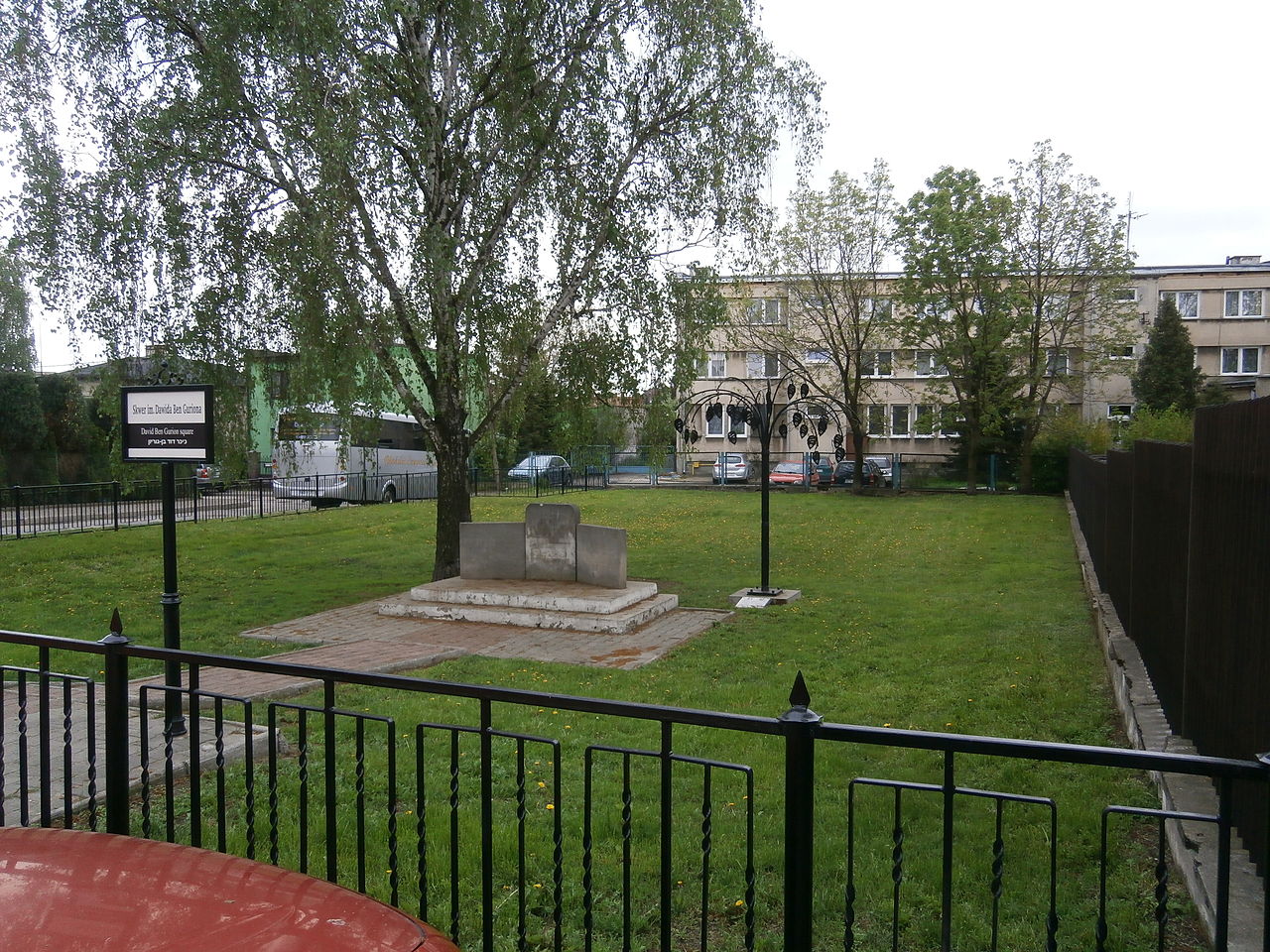
Płońsk is widely known as the birthplace of the Zionist leader and Israel's first prime minister, David Ben‑Gurion; this connection is commemorated locally and is a point of historical interest for visitors and researchers. References to his origins in Płońsk appear in many biographical treatments and municipal remembrances related to Ben‑Gurion.
Quick facts and further reading
- Administrative region: Masovian Voivodeship (more).
- Approximate population: 23,000 (demographic data).
- Location: central Poland, northwest of Warsaw (region overview).
- General info: municipal services, cultural sites and local markets (town profile).
For an introduction to the town and its role in regional history, consult municipal guides and regional studies that synthesize archival material, local memory and published scholarship.
Related articles
Author
AlegsaOnline.com Płońsk — a regional town in Masovian Voivodeship, central Poland Leandro Alegsa
URL: https://en.alegsaonline.com/art/77940