
Pokémon Channel
A GameCube spin-off blending virtual pet care and casual mini-games, featuring Pikachu; developed by Ambrella and published by Nintendo as a relaxed, TV-style Pokémon experience.
Pokémon Channel is a casual video game for the Nintendo GameCube that centers on interacting with Pikachu and watching a variety of in-game television programs. Developed by Ambrella and published by Nintendo, it presents a nontraditional Pokémon experience focused on observation, light tasks, and collection rather than competitive battles. The original Japanese title translates as "Pokémon Channel: Together With Pikachu!" and emphasizes the game's companion-style design.
Image gallery
3 Images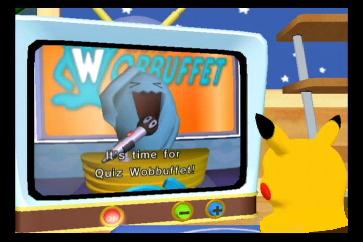


Overview and style
The game is structured like a virtual pet and a television channel combined. Players guide a young human character who shares a house with Pikachu. Much of the playtime is spent selecting TV shows, commercials, and short segments to watch together, which can unlock collectible items and trigger short interactive sequences. The pace is deliberately relaxed, aiming for family-friendly appeal and casual audiences rather than action-oriented players.
Gameplay and features
- Interaction: Players feed, pet, and play small activities with Pikachu, helping build affinity and unlock reactions.
- Viewing: The in-game television broadcasts a rotating set of programs featuring Pokémon and other short segments; some sequences are animated cutscenes while others are interactive.
- Collectibles: Watching certain shows or performing tasks can yield toys, film clips, and stamps that populate galleries and allow replay.
- Mini-games: Several light puzzles and timed tasks appear amid the broadcasts, offering simple rewards rather than complex challenge.
Development and place in the series
Created by Ambrella, the studio known for spin-off Pokémon titles, the project experimented with a low-pressure format outside the main series of RPG and competitive games. As a licensed Nintendo release it was part of a broader effort to expand the Pokémon brand into niche genres and to provide merchandise-like experiences that appeal to younger players and collectors.
Reception and notable facts
Critical and public response recognized the game's charm and unique concept but often noted its limited interactivity compared with mainstream Pokémon titles. It is commonly cited as an example of early 2000s franchise diversification: a title that leveraged familiar characters in a domestic, leisurely setting rather than in adventure or battle contexts. For general context on similar concepts, see entries on virtual pet games and puzzle video games, and the publisher's broader catalogue at Nintendo.
Related articles
Author
AlegsaOnline.com Pokémon Channel Leandro Alegsa
URL: https://en.alegsaonline.com/art/77662