
Poiana Stampei — commune in Suceava County, Bukovina, Romania
Poiana Stampei is a rural commune in Suceava County, located in the historical region of Bukovina in northeastern Romania. It is known for mountainous landscapes, traditional culture and rural life.
Poiana Stampei is a rural commune in northeastern Romania, administratively part of Suceava County and set within the historic region of Bukovina. The locality occupies a sub-Carpathian to lower-mountain area and reflects many characteristics of Bucovina's mixed cultural and natural landscape.
Image gallery
4 Images


Geography and layout
The commune comprises a principal settlement surrounded by smaller hamlets and agricultural land. It lies amid rolling forested hills and valleys typical of the Eastern Carpathians' foothills. Rivers, pastures and woodland shape local livelihoods and provide scenic routes for walkers and nature observers.
History and cultural background
Poiana Stampei shares Bukovina's layered history. The wider region was ruled at different times by Moldavian princes, the Habsburg monarchy and, later, the modern Romanian state. These political shifts created a mosaic of traditions, reflected in local architecture, folklore and seasonal customs.
Economy and daily life
Economic activity is mainly rural: small-scale farming, livestock raising, forestry and traditional crafts. Villagers sustain local markets with dairy products, timber and artisanal goods. Community life often revolves around religious observances, folk festivals and family networks.
Tourism and natural attractions
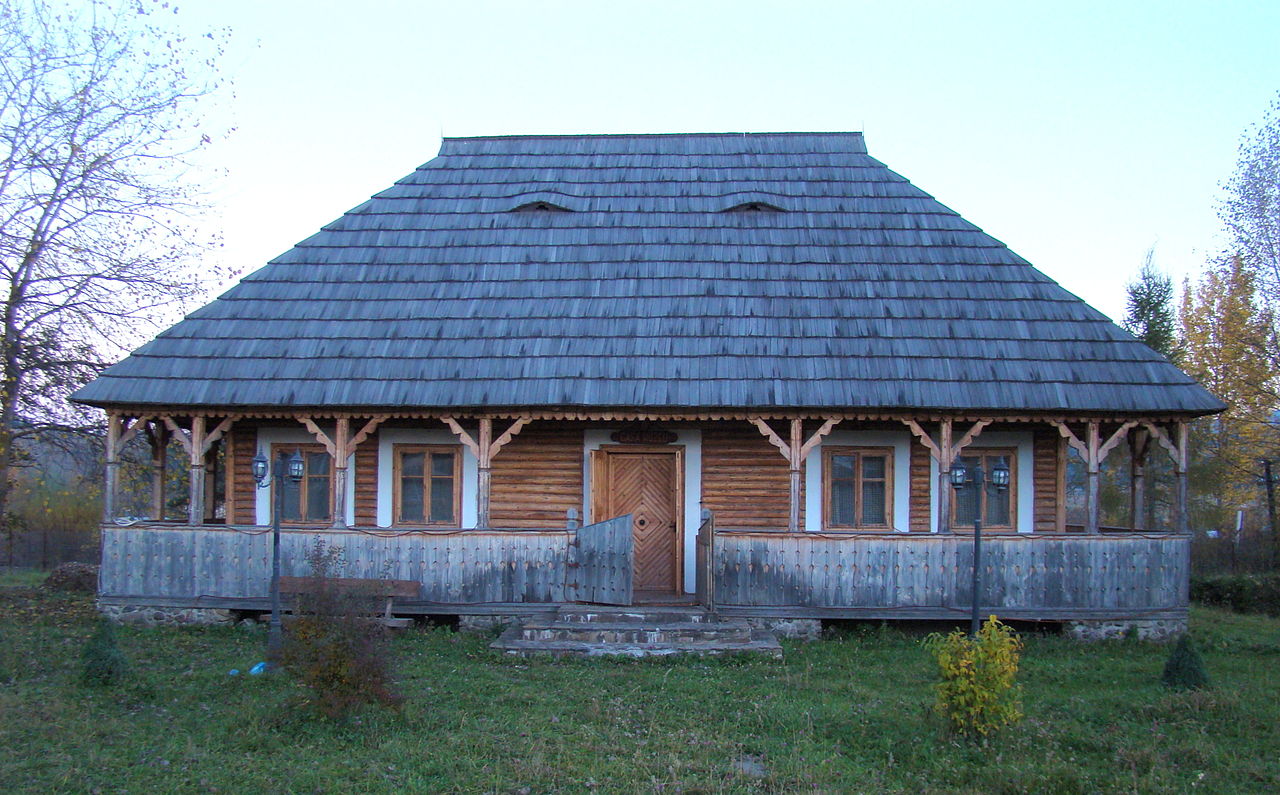
The area's natural setting makes it attractive for low-impact tourism: hiking, birdwatching, winter walks and cultural visits. Visitors often seek traditional wooden churches, rural homesteads and local festivals that offer insight into Bukovinian customs.
Notable aspects
- Situated in the historical Bukovina region, important for its multicultural heritage.
- Typical mountain-foothill environment with forests, pastures and rivers.
- Accessible from other parts of Suceava County and from across Romania, making it a modest destination for regional tourism.
Poiana Stampei exemplifies a Romanian rural commune where natural scenery and traditional ways of life continue to shape community identity while adapting slowly to modern economic and social changes.
Related articles
Author
AlegsaOnline.com Poiana Stampei — commune in Suceava County, Bukovina, Romania Leandro Alegsa
URL: https://en.alegsaonline.com/art/77613