
Pojorâta — commune in Suceava County, Romania
Pojorâta is a rural commune in northeastern Romania's Suceava County, in the historical region of Bukovina. It is known for its mountain scenery, cultural heritage and local forestry and tourism activities.
Overview
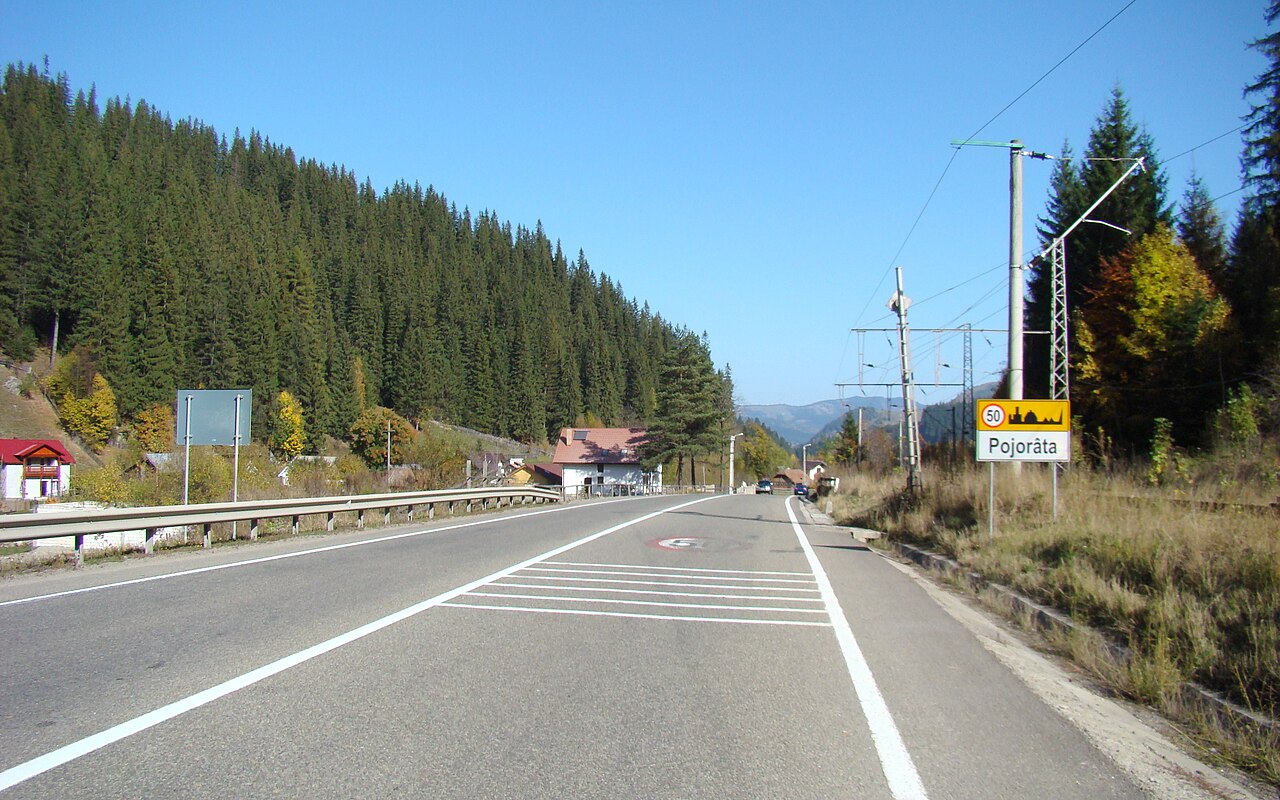
Pojorâta is a rural commune located in Suceava County, in the northeastern part of Romania. It lies within the broader historical region often referred to as Bukovina, an area with a layered cultural past shaped by local Romanian traditions and periods of Habsburg administration. Today the commune is primarily agricultural and forestry-oriented, with growing interest in nature-based tourism.
Image gallery
10 Images


Geography and composition
The commune occupies a setting characterized by rolling foothills and nearby higher mountain massifs typical of northern Moldavia. Its landscape includes mixed forests, meadows and small valleys that support farming, livestock and wood-related activities. Local settlements are dispersed as villages and hamlets rather than concentrated urban centres, reflecting a rural pattern of settlement common in the region.
History and cultural background
Pojorâta's history is connected to the broader historical developments of Bukovina: a frontier region that experienced medieval Romanian cultural continuity, later Habsburg rule from the late 18th century, and twentieth-century administrative changes. These shifts influenced architecture, land use and demographics. Local traditions retain elements of Orthodox religious life, seasonal rural crafts and community festivals.
Economy and tourism
The local economy historically centers on agriculture, animal husbandry and forestry. In recent decades small-scale tourism has become more important, with visitors attracted by hiking, natural scenery and the quieter rural environment. Services for guests are modest but growing, often oriented to outdoor recreation and cultural visits.
Notable facts and distinctions
- Pojorâta sits within a part of Romania known for its ethnic and cultural mixture over centuries, which has influenced local customs and built heritage.
- Its natural setting makes the commune a gateway for outdoor activities and rural tourism in northern Romania.
- Local governance follows Romania's commune model, with communal administration overseeing public services for the constituent villages.
Visitors and researchers interested in regional rural life, historical Bukovina, or mountain-adjacent landscapes may find Pojorâta a representative example of northeastern Romania's village communes.
Related articles
Author
AlegsaOnline.com Pojorâta — commune in Suceava County, Romania Leandro Alegsa
URL: https://en.alegsaonline.com/art/77657