
Placerville, Idaho — a small mountain community in the United States
Placerville, Idaho is a small mountain community historically tied to mining and logging. Today it serves as a gateway to outdoor recreation in central Idaho and retains a compact, rural character.
Overview
Placerville is a small mountain community in Idaho, in the United States. It is typically described as a rural town with a modest year‑round population and a larger seasonal influx of visitors. The community sits in a forested valley and functions as a local center for services, lodging and supply for people working, living or recreating in the surrounding hills.
Image gallery
1 Image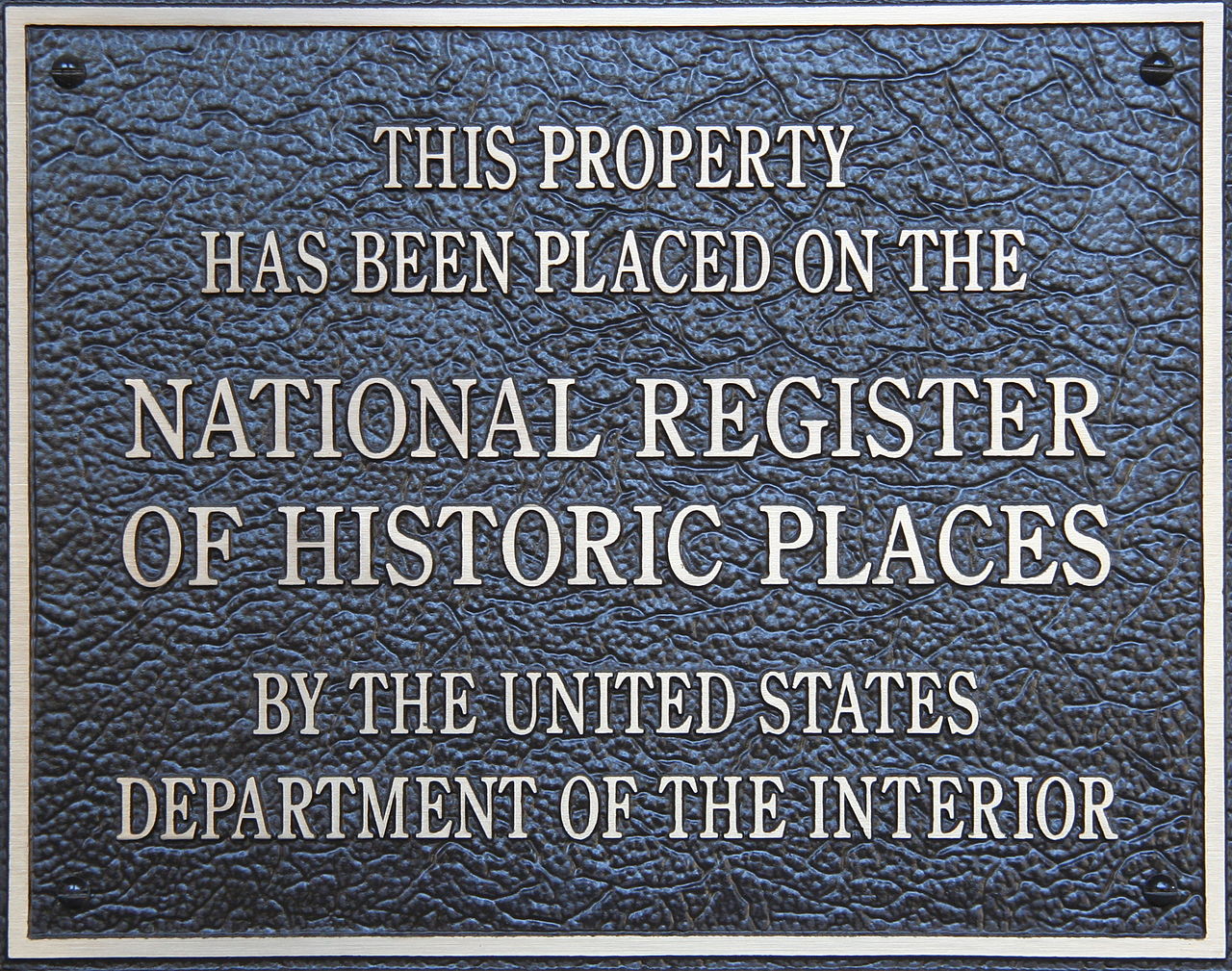
Characteristics
Placerville's built environment reflects its frontier and resource‑based past: older buildings, a handful of businesses such as cafes, general stores and outfitters, and residential properties clustered along a main road. The setting is high country rather than prairie; pine and mixed conifer forests, steep hillsides and a nearby river or stream shape daily life and land use.
History and development
Like many settlements in the inland West, Placerville developed in the 19th and early 20th centuries around mining and timber extraction. Over time those industries declined in scale, and the town transitioned toward services for forestry, transportation routes and, increasingly, outdoor recreation. Historic structures and local stories preserve the town's ties to earlier eras of prospecting and logging.
Geography and climate
The community lies in a mountainous, forested region with a four‑season climate: warm summers that attract visitors and cold, snowy winters. Elevation and local topography influence weather patterns, runoff and access during winter months. The surrounding public lands provide trails, rivers and scenic corridors.
Recreation, economy and importance
Today Placerville functions largely as a gateway for outdoor activities and as a service point for nearby rural residents. Common uses include:
- Hiking, mountain biking and trail access
- Fishing and river recreation
- Snowmobiling and winter sports
- Local hospitality: lodges, cabins and guiding services
Notable distinctions
Although modest in size, Placerville is notable regionally as a community that bridges historic resource‑extraction roots and contemporary recreation economies. It is not to be confused with other towns of the same name in other states; the local identity emphasizes outdoor access, a close‑knit community and the preservation of historic elements amid changing uses.
Related articles
Author
AlegsaOnline.com Placerville, Idaho — a small mountain community in the United States Leandro Alegsa
URL: https://en.alegsaonline.com/art/77195