
Pitman, New Jersey
Pitman is a borough in Gloucester County, New Jersey, named for Methodist minister Rev. Charles Pitman. It had a population of 9,011 at the 2010 U.S. Census and is known for its historic camp-meeting character.
Overview
Pitman is a borough located in Gloucester County, in the state of New Jersey, United States. It is a small, residential community that retained much of its historic layout and local identity as it grew. According to the 2010 United States Census, the borough's population was 9,011.
Image gallery
8 Images



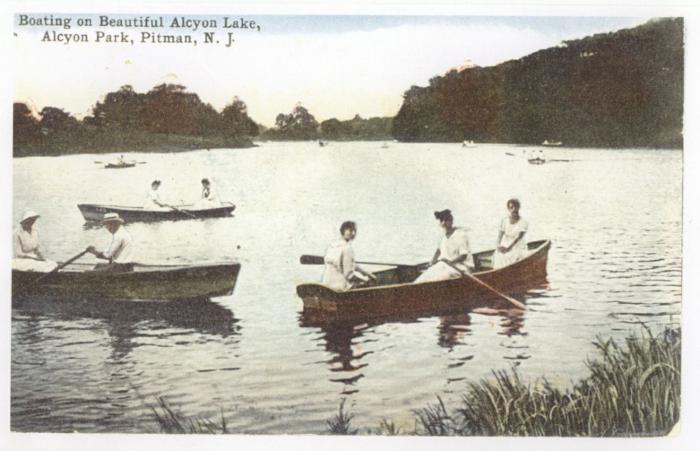

History and name
The borough takes its name from the Methodist minister Rev. Charles Pitman. Its origins lie in a religious camp-meeting tradition: a grove and meeting grounds attracted visitors and seasonal residents, and over time the settlement evolved into a permanent borough. That camp-meeting heritage remains an important part of Pitman's historical character.
Geography and community character
Pitman is compact and walkable, with tree-lined streets and a mix of architectural styles that reflect its development from a seasonal assembly to a year-round town. Located within the greater Philadelphia region, the borough combines a small-town feel with access to nearby urban centers, making it attractive to commuters and families.
Features and local life
Residents and visitors often notice a concentration of civic and cultural features in Pitman, including:
- Historic buildings and well-preserved residential districts that echo the borough's 19th- and early 20th-century growth;
- A central business area with shops, restaurants and services that serve local daily life;
- Seasonal gatherings and community events rooted in the town's camp-meeting origins and civic traditions.
Government, schools and services
Pitman is governed under New Jersey's borough-style municipal system with locally elected officials responsible for municipal services, planning and community programs. Public education is delivered through local schools serving elementary and secondary students, while library, parks and emergency services reflect small-town municipal organization.
Notable aspects
Despite its modest size, Pitman stands out for preserving a distinct historical identity tied to religious assembly and community recreation. Its combination of historic character, neighborhood stability and proximity to larger employment centers gives the borough a recognizable role among communities in southern New Jersey.
Related articles
Author
AlegsaOnline.com Pitman, New Jersey Leandro Alegsa
URL: https://en.alegsaonline.com/art/77140
Sources
- lwd.dol.state.nj.us : Table 7. Population for the Counties and Municipalities in New Jersey: 1990, 2000 and 2010
- mapmaker.rutgers.edu : The Origin of New Jersey Place Names
- southjerseynews.com : "Grove's unique history still evident"