
Avers (Avras) — mountain municipality in Graubünden, Switzerland
Avers (Romansh: Avras) is a high Alpine municipality in the Hinterrhein region of Graubünden, Switzerland, known for its remote settlements, traditional alpine life and the high village of Juf.
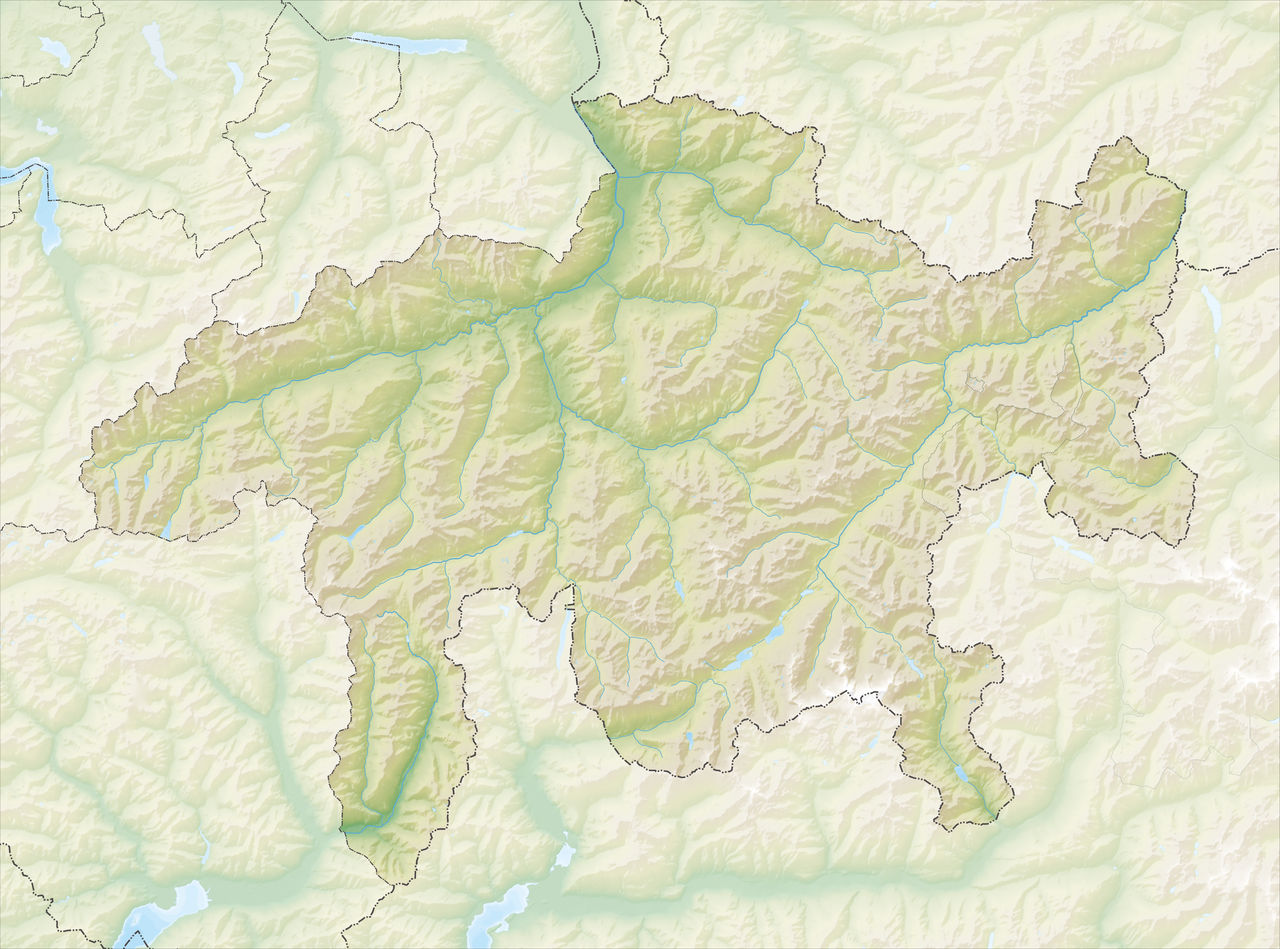
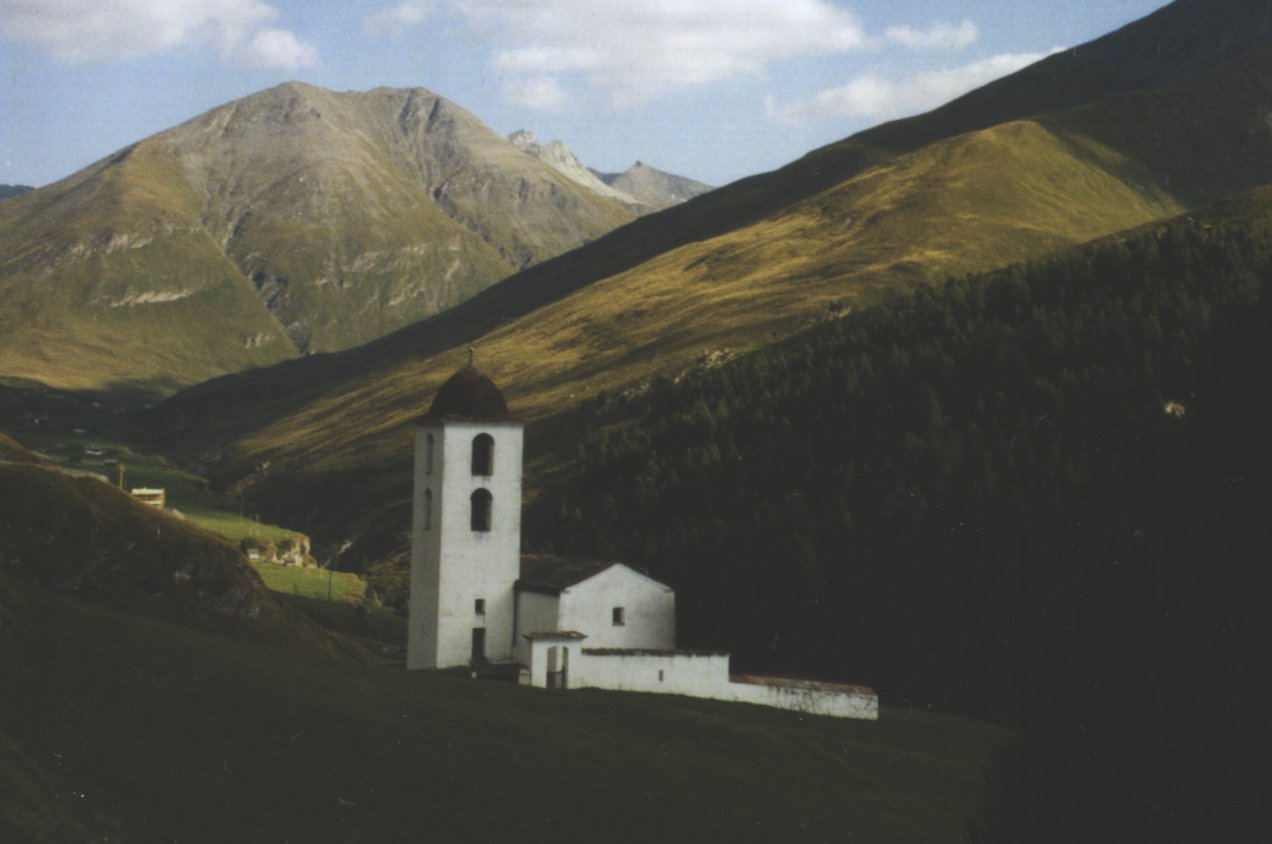
Avers (Romansh: Avras) is a small mountain municipality located in the upper valley of the Hinterrhein (Hinterrhein) in the canton of Graubünden, Switzerland. The municipality occupies a remote high valley characterized by steep slopes, alpine pastures and scattered hamlets. Its isolation has shaped local traditions, building forms and seasonal land use.
Image gallery
6 Images



Geography and settlements
Avers lies high in the Alpine drainage basin of the Hinterrhein. The valley narrows into steep side valleys with rocky ridges and high mountain passes. Settlements are sparse and clustered where slopes permit cultivation and shelter. The most widely noted locality in the municipality is the hamlet of Juf, which is often cited as one of the highest permanently inhabited settlements in Europe. Villages and farmsteads in Avers are linked by narrow mountain roads and footpaths rather than dense urban infrastructure.
History and language
The valley has a long mountain farming tradition and was historically influenced by both Romansh-speaking and German-speaking Alpine cultures. Local architecture and place names reflect this mixed heritage. Over time, traditional livelihoods—seasonal transhumance, pasture management and small-scale agriculture—dominated life here, and cultural continuity has been preserved in festivals, dialects and building styles.
Economy and land use
The economy of Avers centers on alpine agriculture, forestry and services that support mountain living. Many inhabitants combine farming with tourism-related work or commute seasonally to larger valleys. Meadows and high pastures are used for summer grazing, while wood and stone have shaped local construction. Modern services are modest due to low population density and the municipality’s high-elevation setting.
Tourism, access and recreation
Avers attracts visitors seeking hiking, ski touring, nature observation and an experience of remote Alpine life. Trails connect to surrounding passes and offer views of glaciers and high peaks. Access is limited compared with lowland destinations: roads can be narrow and winter conditions restrict travel, which contributes to the valley’s quiet character and appeal for low-impact tourism.
Notable facts and distinctions
- Juf, within Avers, is frequently mentioned in guidebooks as among the highest year-round villages in Europe; it illustrates the extreme altitude at which permanent settlements can persist.
- The municipality exemplifies traditional Alpine land-use patterns: seasonal pasture rotation, dispersed hamlets and a strong link between landscape and culture.
- Avers forms part of the broader Hinterrhein and Graubünden administrative and natural region, contributing to the canton’s linguistic and ecological diversity.
For further official information and practical details about services, administration and local events consult the municipality resources and regional guides.
Related articles
Author
AlegsaOnline.com Avers (Avras) — mountain municipality in Graubünden, Switzerland Leandro Alegsa
URL: https://en.alegsaonline.com/art/7711
Sources
- bfs.admin.ch : "Arealstatistik Standard - Gemeinden nach 4 Hauptbereichen"
- bfs.admin.ch : "Ständige Wohnbevölkerung nach Staatsangehörigkeitskategorie Geschlecht und Gemeinde; Provisorische Jahresergebnisse; 2018"