
Avessé — commune in Sarthe, Pays de la Loire, France
Avessé is a small rural commune in the Sarthe department of the Pays de la Loire region in western France, noted for its agricultural landscape, local governance, and traditional village features.
Avessé is a commune in western France; it is officially recognized as a local municipality (commune). Administratively the village sits within the region Pays de la Loire and the historic province area commonly named Pays de la Loire. It belongs to the department of Sarthe, which is itself one of the territorial divisions of France (department) located in the west of France.
Image gallery
1 Image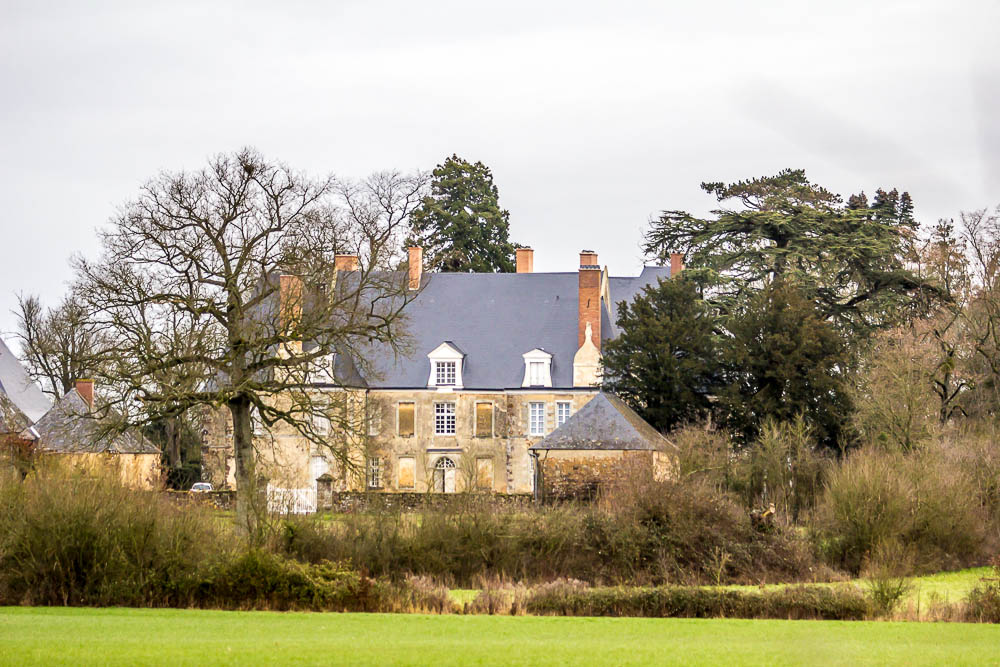
Overview and location
Avessé is typical of many small French rural communes: a compact village core surrounded by farmland and scattered hamlets. Its landscape combines fields, hedgerows and small wooded areas. The commune functions as a local center for residents of the surrounding countryside and participates in intercommunal structures that coordinate services and development across neighboring communes.
Characteristics and administration
Governance in Avessé follows the standard French communal model: an elected mayor and municipal council manage local affairs such as schools, public works and local planning. Public facilities are modest and oriented to village life—town hall, primary school (where present), and communal spaces for events. Local roads connect the commune to larger towns and regional transport routes.
History and development
The origins of Avessé, like many villages in Sarthe, lie in medieval rural settlement patterns. Over centuries the community developed around agriculture, parish life and small-scale trades. Modern changes in the 19th and 20th centuries—improved transport, agricultural mechanization and shifts in population—have shaped the commune into a quieter residential and farming locality.
Economy, culture and daily life
The local economy is largely agricultural, with mixed farming and pastureland common. Small businesses and artisans serve daily needs, while residents often commute to larger towns for work. Cultural life centers on seasonal festivals, communal gatherings and activities tied to local associations; heritage and village identity remain important to inhabitants.
Sights, services and practical information
- Village church or chapel and traditional rural architecture typical of the region.
- Local civic buildings such as the mairie (town hall) and community hall.
- Access to regional networks for education, health and public services through the departmental and regional administrations.
For readers seeking administrative or travel details, official departmental and regional sources provide up-to-date practical information and maps; local tourist or municipal pages can offer specifics about events, services and walking routes around the commune.
Related articles
Author
AlegsaOnline.com Avessé — commune in Sarthe, Pays de la Loire, France Leandro Alegsa
URL: https://en.alegsaonline.com/art/7723