
Pirojpur District — geography, history, economy and notable features
Pirojpur District in southwestern Bangladesh: a low-lying, fertile district of Barisal Division known for riverine landscape, small forests, Nesarabad trade centres and mangrove Sundori trees.
Overview — Pirojpur is a district in southwestern Bangladesh whose administrative centre is the town of Pirojpur. The district's local name in Bengali is shown here: পিরোজপুর. It lies within the coastal plain of Barisal Division and is characterized by a network of rivers, creeks and low-lying agricultural land.
Image gallery
4 Images
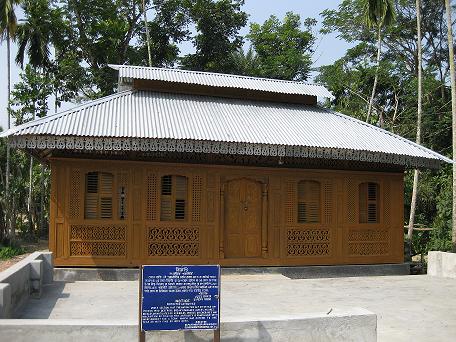


Geography and environment
The terrain of Pirojpur is mostly flat and alluvial, formed by sediment deposited by the region's rivers. Soils tend to be fertile and suitable for rice cultivation and other crops. Small patches of forest and mangrove fringe occur along tidal waterways, and many communities depend on inland fisheries and boat transport. The district is vulnerable to seasonal flooding and storm surges, a common challenge in this part of Bangladesh.
History and administration
Pirojpur is part of the Barisal Division and has evolved from rural riverine settlements into an administrative district. Municipal governance in the principal town was formalized in the late 20th century; the municipality was established in 1985 (municipal records). The district administration oversees local services, rural development and disaster response.
Economy and society
Agriculture, fishing and small-scale trade form the backbone of the local economy. Fertile fields yield rice, vegetables and seasonal crops, while river transport and marketplaces support commerce. Nesarabad (also known locally as Swarupkati) is noted within the district for its commercial activity and trading hubs; it is often cited as a centre of business in the area (regional map reference).
Nature, culture and notable features
Pirojpur hosts small forested areas and stands of mangrove species that tolerate brackish water. The Sundori, a mangrove tree valued locally for its size and resilience, grows in some parts of the district and nearby tidal zones (mangrove details). Cultural life blends riverine rural traditions, seasonal festivals and folk arts; boat processions and harvest celebrations are part of the local calendar.
Practical points and distinctions
- Administrative identity: part of Barisal Division (division overview).
- Landscape: low-lying deltaic plains with fertile alluvial soils.
- Economy: agriculture, fisheries and local trade; Nesarabad is an important commercial node.
- Environment: small forests and mangrove pockets; areas prone to flooding and cyclones.
Pirojpur's mix of waterways, productive land and small coastal woodlands shapes daily life and local livelihoods. Ongoing development efforts focus on improving transport links, strengthening flood resilience and sustaining the natural habitats that support fisheries and local biodiversity. For maps, administrative details and further local information, see regional resources and guides (local name, location, division, municipal, environment).
Related articles
Author
AlegsaOnline.com Pirojpur District — geography, history, economy and notable features Leandro Alegsa
URL: https://en.alegsaonline.com/art/77088