
Pipe (smoking)
A smoking pipe is a handheld vessel for burning and drawing smoke from tobacco or other substances. It has distinct parts, a long cultural history, and health risks similar to other forms of smoking.
Overview
A smoking pipe is a small, handheld device designed to hold a combustible material such as tobacco and permit the user to draw smoke through a stem into the mouth. Pipes can also be used for other legal or illicit substances; references and laws vary by jurisdiction and substance type, including other drugs. Typical pipe use involves inhaling smoke into the mouth and then exhaling, although many users do not inhale smoke into the lungs.
Image gallery
10 Images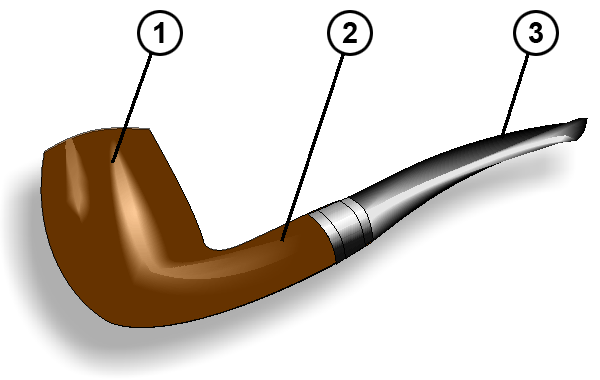




Parts and types
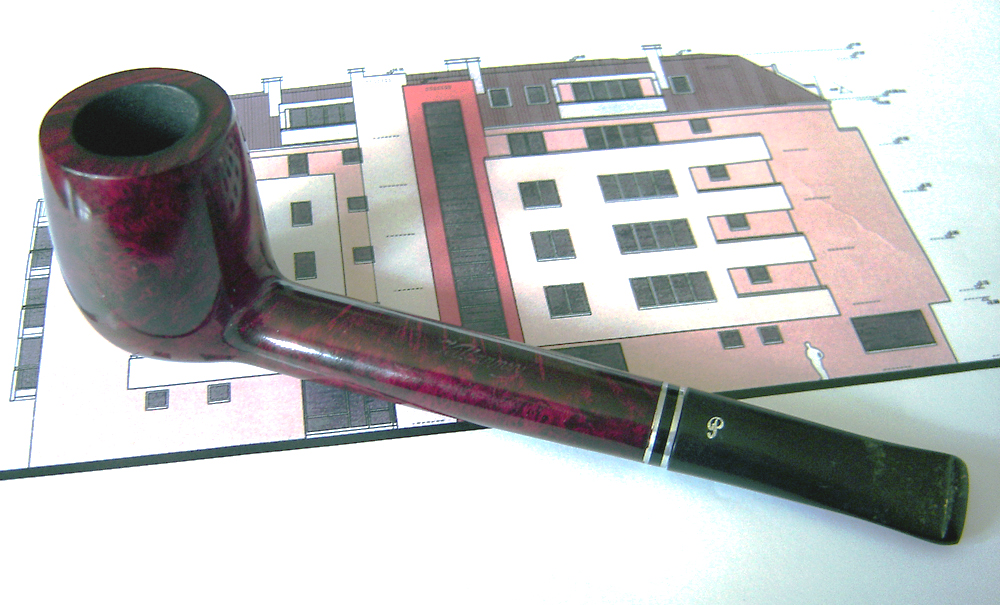
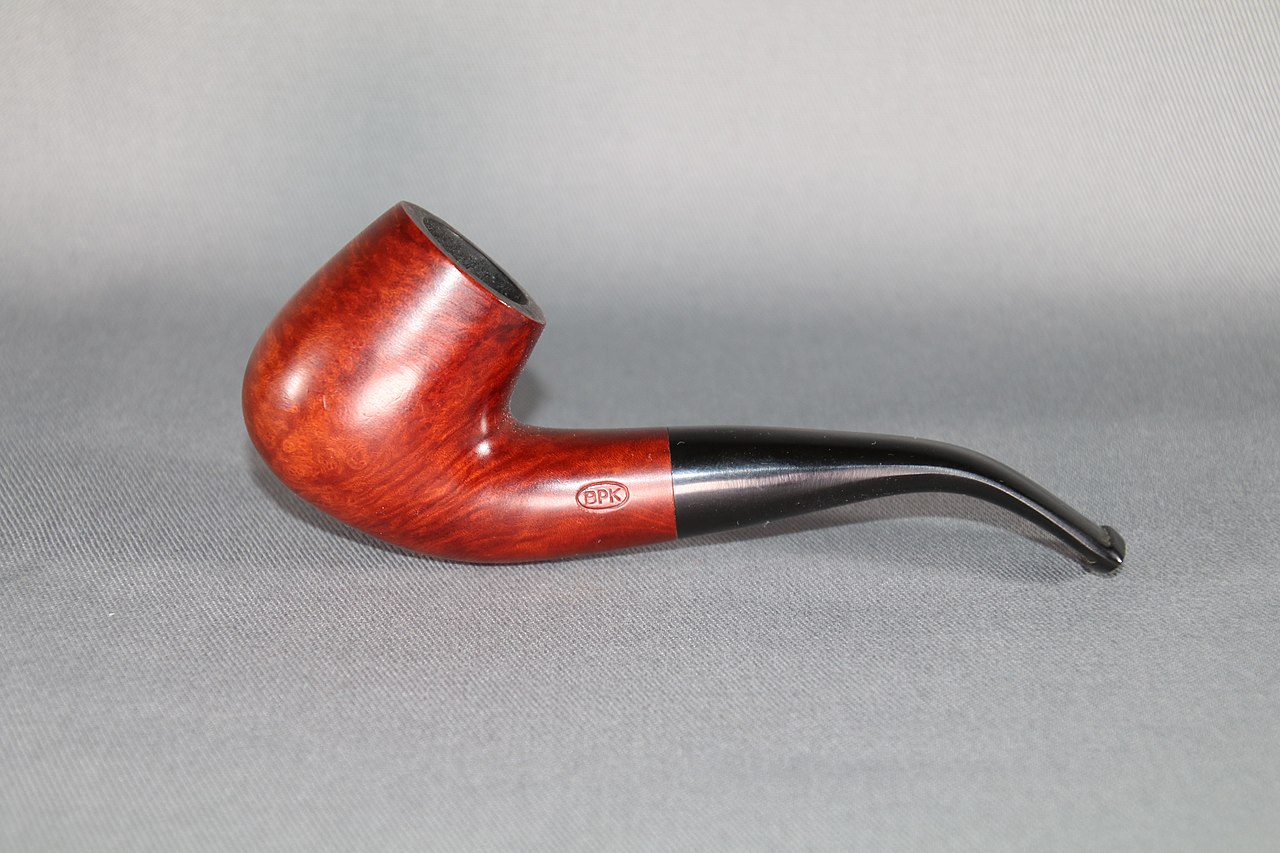
Most pipes have a bowl to contain the material, a shank or stem that conducts smoke, and a mouthpiece. Common materials and styles include briarwood, meerschaum, clay, and corn-cob bowls; there are also water-cooled pipes and specialized designs. A simple list of typical components illustrates the basic design:
- Bowl – holds the burning material.
- Shank/stem – channel for smoke.
- Mouthpiece – the part placed in the mouth.
History and cultural roles
Pipes have been used for centuries in many cultures. They served social, recreational, and ceremonial functions—from everyday smoking to ritual uses by Indigenous peoples and others. The evolution of materials and styles reflects regional crafts and changing tastes over time.
Uses, habits and health
People commonly use pipes for recreational smoking of tobacco and sometimes for other substances. Pipe smoking produces nicotine and other combustion products and carries health risks. It is not a harmless or healthy alternative to cigarette smoking; medical guidance generally treats all forms of smoked tobacco as harmful. For information on health effects and cessation resources see reputable health organizations: health information.
Distinctions and notable facts
Compared with cigarettes, pipes are typically used less frequently and for shorter inhalation patterns, but they still expose users to toxic compounds. Pipes also differ from vaporizers and smokeless tobacco products in combustion, aroma, and social etiquette. Collecting and craftsmanship are additional aspects of pipe culture: many enthusiasts value design, materials and maintenance as part of the hobby. Tobacco, regulation and social attitudes toward pipe use continue to vary worldwide.
Author
AlegsaOnline.com Pipe (smoking) Leandro Alegsa
URL: https://en.alegsaonline.com/art/77047