
Pikku-Vesijärvi — small lake in Lahti, Finland
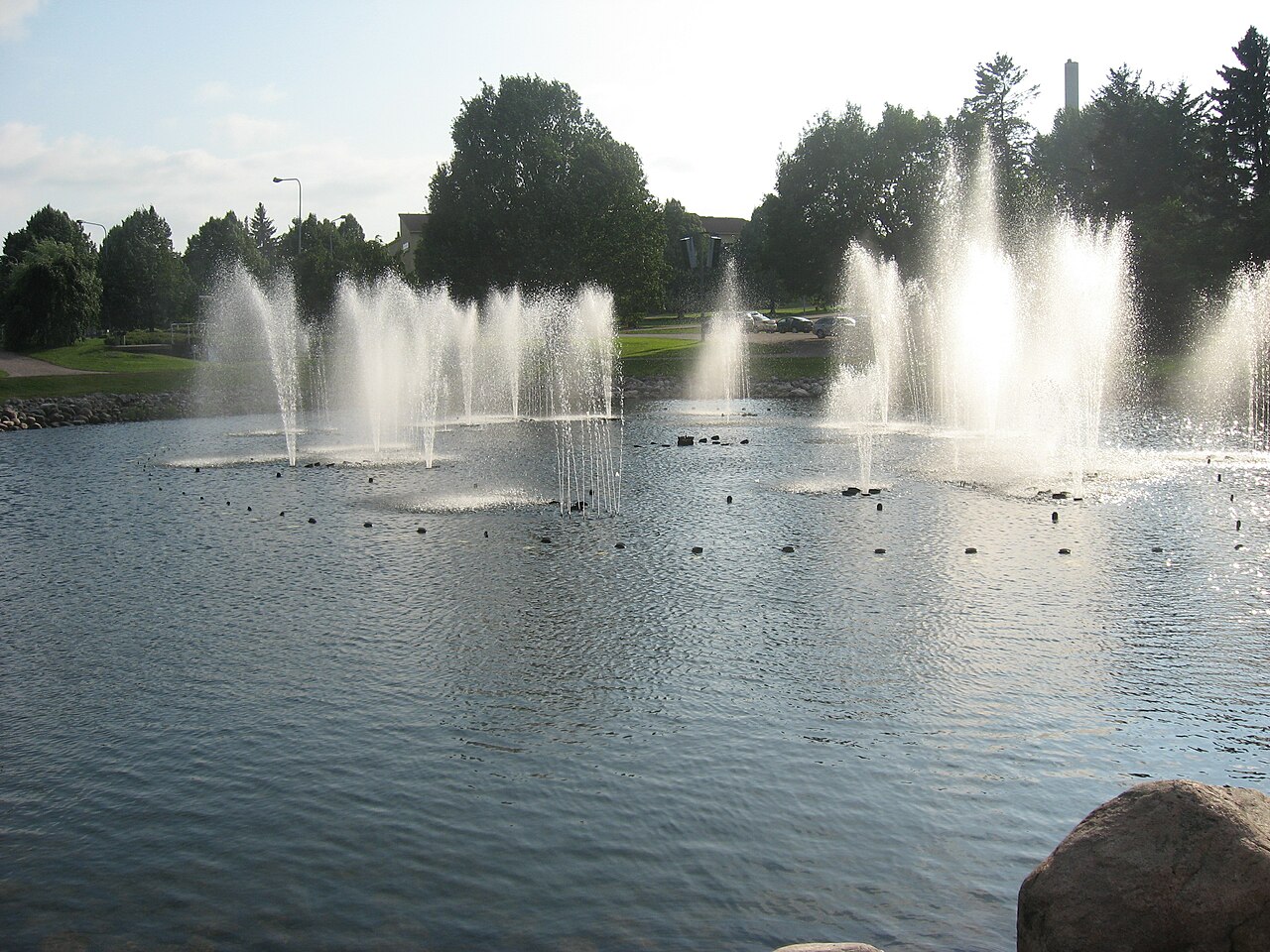
Pikku-Vesijärvi is a small urban lake in Lahti, Finland, part of the Vesijärvi basin. It is shallow (recorded maximum depth 4.5 m in 1998) and functions as a recreational park and wildlife habitat.
Pikku-Vesijärvi (literally "Little Vesijärvi" in Finnish) is a modest lake located in the city of Lahti in Finland. Situated close to the urban waterfront, it is regarded as a component of the larger Vesijärvi basin and is valued for its proximity to city amenities and green public spaces.
Image gallery
3 Images

Physical characteristics
The lake is shallow compared with many Finnish lakes; a recorded maximum depth was 4.5 metres (15 feet) in 1998. Its limited depth and surface area make it responsive to seasonal temperature changes and to impacts from surrounding urban runoff. Hydrologically, Pikku-Vesijärvi connects with larger nearby water bodies and is part of the local watershed.
Uses and recreation
Pikku-Vesijärvi serves primarily as an urban recreational area. Typical activities around the shore include walking, birdwatching and informal gatherings. In winter, shallow urban lakes like this are sometimes used for skating when conditions are safe. Paths, benches and planted beds along the shoreline provide easy public access and a green corridor in the city.
Ecology and management
Despite its small size, the lake supports aquatic plants and waterfowl typical of southern Finnish lowland lakes. Being in a built environment, it is affected by nutrient inputs and requires periodic management to maintain water quality and habitat values. Local authorities and community groups often monitor the lake and undertake measures to control algae, support native vegetation and preserve recreational use.
History and local significance
Pikku-Vesijärvi has long been part of Lahti’s urban landscape and contributes to the city’s character as a place where built and natural environments meet. It is frequently mentioned in local guides and maps as a small but notable feature near the central waterfront and is used in urban planning as an example of a multifunctional city pond.
Notable facts
- The Finnish name means "Little Vesijärvi" and distinguishes it from the larger Vesijärvi nearby.
- Recorded maximum depth: 4.5 m (measurement reported in 1998).
- Functions as both a recreational amenity and a managed ecological site within the city.
Related articles
Author
AlegsaOnline.com Pikku-Vesijärvi — small lake in Lahti, Finland Leandro Alegsa
URL: https://en.alegsaonline.com/art/76903
Sources
- puhdasvesijarvi.fi : puhdasvesijarvi.fi