
Pima County, Arizona
Pima County is a large, diverse county in southern Arizona whose county seat is Tucson. It includes desert parks, mountain ranges, Native American lands, major research and military institutions, and an international border.
Overview
Pima County is a major county in the southern part of Arizona. Its county seat and largest city is Tucson, which is the state's second-largest city. The county combines urban centers, rural communities, and broad areas of protected desert and mountain landscape.
Image gallery
5 Images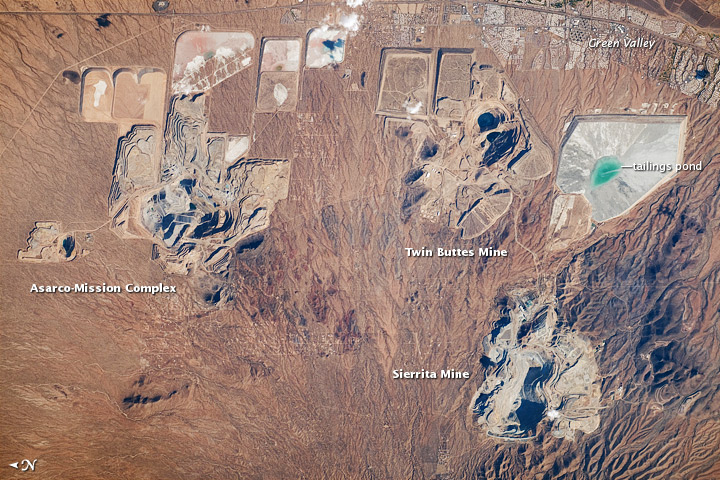



Geography and climate
The county covers a mix of Sonoran Desert lowlands and higher 'sky island' mountain ranges. Summers are hot and dry with a summer monsoon period; winters are generally mild at low elevations and cooler in the mountains. Public lands include national parks, monuments and forest areas that preserve cacti, desert flora, and habitat for diverse wildlife.
History and people
Pima County takes its name from the Pima (Akimel O'odham) people who have lived in the region for centuries. The area's history also reflects Spanish colonial, Mexican, and Anglo-American periods, and several Native American nations continue to maintain reservations and cultural centers within the county.
Economy, institutions and culture
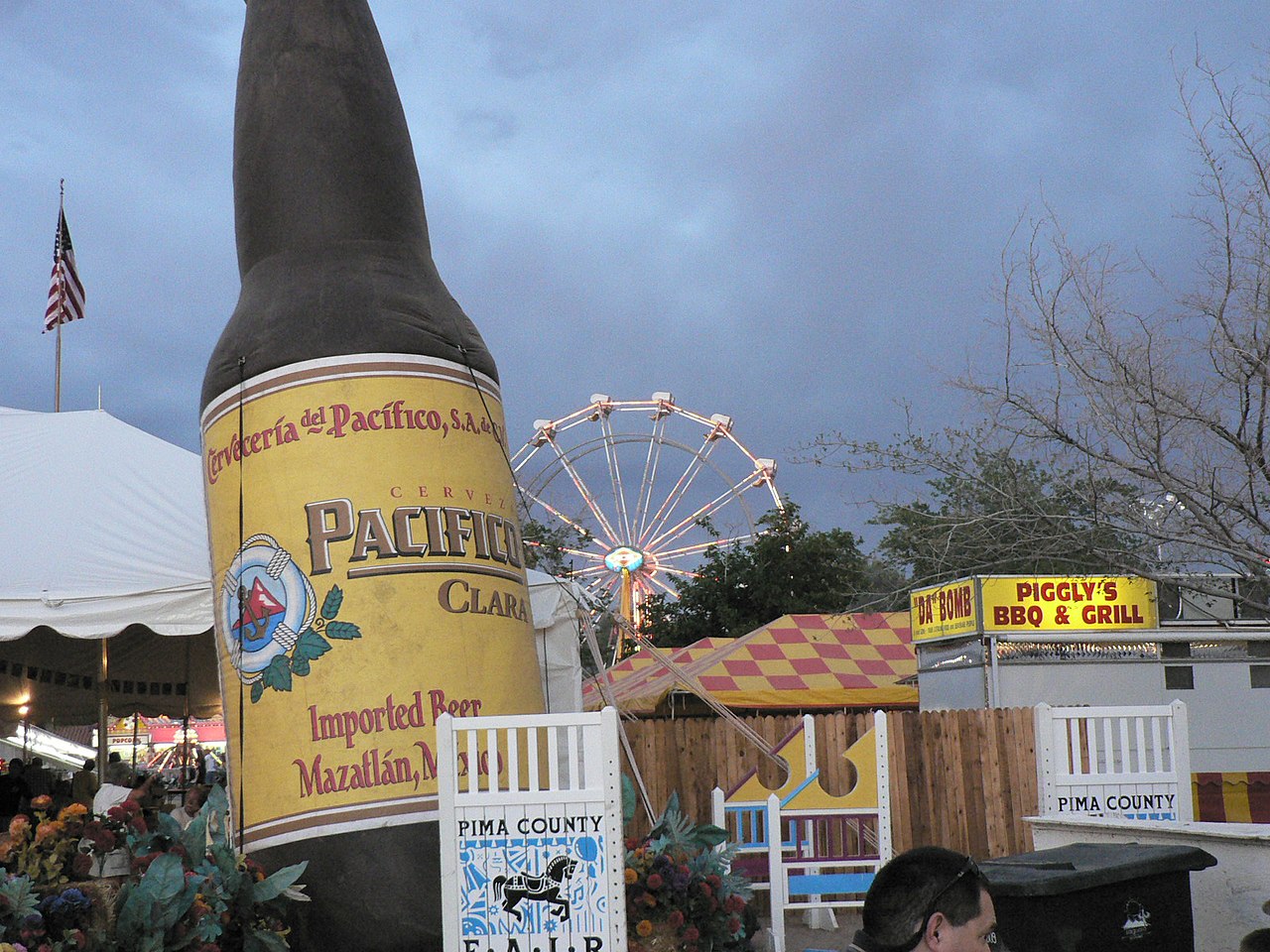
The local economy mixes education, research, defense, health care, tourism and services. Tucson hosts a major university and research institutions, while military facilities and aerospace museums are important employers. The county is known for festivals, arts, astronomy and outdoor recreation centered on desert landscapes and mountain trails.
Government, transport and communities
Pima County government provides regional services such as law enforcement, public health, parks and planning. The transportation network links Tucson by interstate highways, an international airport and regional roads to smaller towns and border crossings along the international boundary with Mexico.
Notable features
- Strong Native American presence and cultural heritage.
- Expansive desert preserves and national park units with iconic saguaro cactus.
- Combination of urban and vast open-space landscapes supporting tourism and outdoor recreation.
Related articles
Author
AlegsaOnline.com Pima County, Arizona Leandro Alegsa
URL: https://en.alegsaonline.com/art/76933