
Pike County, Arkansas
Pike County is a rural county in Arkansas with county seat Murfreesboro, founded in 1833. It is noted for the Crater of Diamonds State Park and a small, agriculture- and forestry-based population.
Overview
Pike County is a sparsely populated county in the U.S. state of Arkansas. Located within the broader region of the U.S. state, the county had 11,291 residents as recorded by the 2010 census. Its administrative center is Murfreesboro. Pike County combines rural settlement patterns with extensive natural areas and recreational resources.
Image gallery
7 Images



Geography and natural features
The county's landscape is characterized by woodlands, rolling hills and small waterways typical of southern and central Arkansas. Its mix of forest and pasture supports forestry, wildlife habitat and outdoor recreation. A nationally known attraction within the county draws visitors and influences land use and local services.
History
Pike County was established on November 1, 1833. Like other American places named Pike, it honors the explorer Zebulon Pike. Settlement and economic patterns developed around timber and agriculture, with small towns and crossroads communities serving as local hubs.
Economy, attractions, and uses
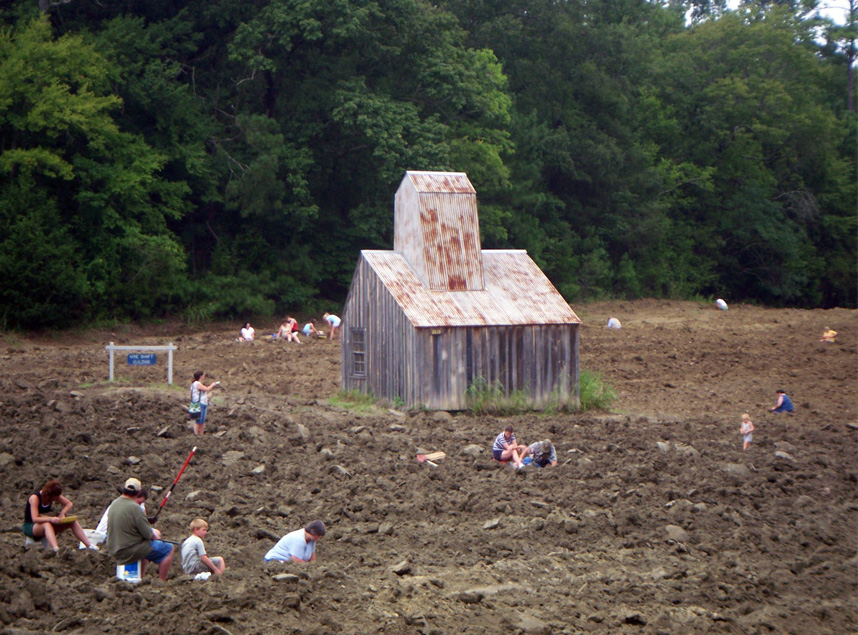
The local economy is dominated by agriculture, timber production and tourism. The county is best known for Crater of Diamonds State Park, where the public may search for real diamonds and other minerals — a distinctive tourist draw that supports lodging, guiding and retail businesses. Outdoor recreation, hunting and fishing also contribute to the economy.
Government and demographics
Municipal and county government functions are centered in Murfreesboro, the courthouse town. Population density remains low compared with urban counties; communities are small and services are oriented to rural needs. Local schools, volunteer fire departments and county offices form the backbone of civic life.
Notable facts and distinctions
- Pike County is one of several U.S. counties named for Zebulon Pike.
- Crater of Diamonds State Park is a unique feature that draws geotourism.
- Its founding in the 1830s places the county among the older administrative divisions formed in Arkansas before statehood was fully developed.
For further details on administration, services and visitor information, consult official county and state resources or local historical organizations.
Related articles
Author
AlegsaOnline.com Pike County, Arkansas Leandro Alegsa
URL: https://en.alegsaonline.com/art/76890
Sources
- quickfacts.census.gov : "State & County QuickFacts"
- naco.org : "Find a County"