
Pickup (musical instrument)
A pickup converts vibrations from a musical instrument—most often stringed—into an electrical signal for amplification or recording. Types include electromagnetic, piezoelectric, optical and contact transducers.
A pickup is an electro-mechanical transducer fitted to a musical instrument that senses vibration and produces an electrical signal suitable for amplification, processing or recording. Pickups are most commonly associated with stringed instruments such as the electric guitar, the electric bass and the electric violin, but they are also used on acoustic instruments, keyboards and experimental instruments. By translating acoustic motion into electricity, pickups allow sound engineers and musicians to shape tone, add effects and project performance in ways that purely acoustic instruments cannot.
Image gallery
10 Images




Types and characteristics
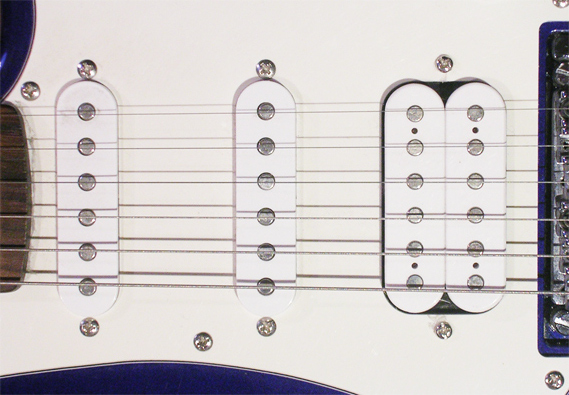
Pickups are built on several different physical principles; the two most common families are electromagnetic and piezoelectric systems. Electromagnetic pickups use magnets and coil windings to convert the motion of metal strings into a current by electromagnetic induction. Within this family are variations such as single-coil designs, which tend to sound bright and clear, and humbucking (dual-coil) designs, which cancel certain electrical noise and generally produce a thicker tone. Some electromagnetic pickups contain active electronics and onboard preamps that change output level and frequency response.
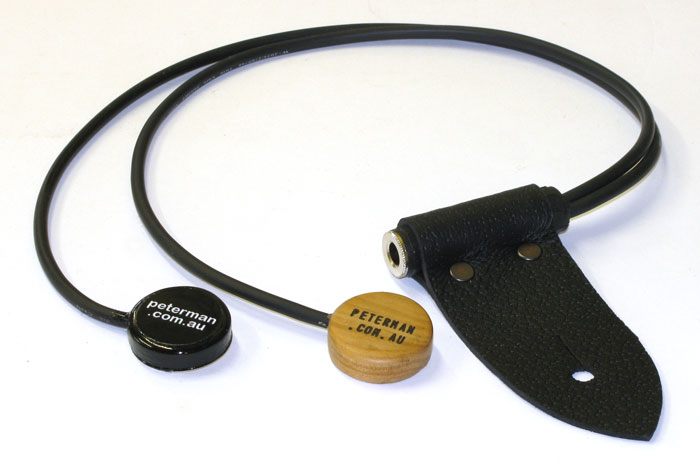
Piezo pickups exploit the piezoelectric effect: certain crystals or ceramic elements produce voltage when mechanically stressed. These are widely used on acoustic instruments because they respond to body vibration and bridge motion rather than to the magnetic properties of the strings. Other approaches include contact microphones, under-saddle transducers, optical pickups that sense string interruption of a light beam, and miniature condenser microphones that capture air vibration.
How pickups are used
In practice a pickup is only the first element of an electrical signal chain. Its raw output typically passes through a cable to an amplifier, mixing console or preamp. Electric pickups are usually low-impedance or high-impedance depending on design and often benefit from impedance-matching preamps. Musicians choose pickup types and placements (neck, middle, bridge) to emphasise different tonal properties: bridge positions yield brighter, more incisive attack; neck positions give warmer, fuller tone.
History and impact
Early experiments with electrically amplified instruments began in the first decades of the 20th century, and commercially practical electromagnetic pickups became widespread by the 1930s. The ability to amplify individual instruments transformed popular music, enabling new playing techniques, instrument designs and genres that rely on electric tone and effects. Subsequent decades saw refinements in coil design, magnet materials, shielding and active electronics that expanded creative possibilities.
Notable distinctions and considerations
- Tonal effect: pickup design strongly influences warmth, clarity, sustain and harmonic content.
- Noise: single-coil pickups are more susceptible to electromagnetic interference than humbuckers; shielding and grounding help mitigate hum.
- Compatibility: piezo systems often require a high-impedance input or a dedicated preamp for optimal response.
- Installation: pickups may be built into an instrument, retrofitted, or mounted externally; installation affects acoustic coupling and tone.
Because pickups are central to an amplified instrument's voice, players and luthiers experiment with different types, placements and electronics to tailor sound. For further technical detail on construction, wiring and selection, consult specialised sources or manufacturer documentation. More on electric guitars, bass pickups and electric violins can illustrate how the same pickup principles are adapted to different instruments.
Related articles
Author
AlegsaOnline.com Pickup (musical instrument) Leandro Alegsa
URL: https://en.alegsaonline.com/art/76735