
Pictures at an Exhibition — Mussorgsky’s suite for piano and its legacy
A guide to Modest Mussorgsky’s Pictures at an Exhibition: origin, musical design, movement highlights, later orchestrations (notably Ravel’s), performance practice and cultural impact.
Pictures at an Exhibition is a suite of musical "pictures" originally written for solo piano by Russian composer Modest Mussorgsky in 1874. The work takes the listener on a sequence of short movements linked by a recurring march-like theme called the "Promenade," which represents the composer walking from one painting to the next. Though conceived for piano, the piece has achieved its widest fame in orchestral form and is a standard in both keyboard recital and symphonic repertory.
Image gallery
10 Images

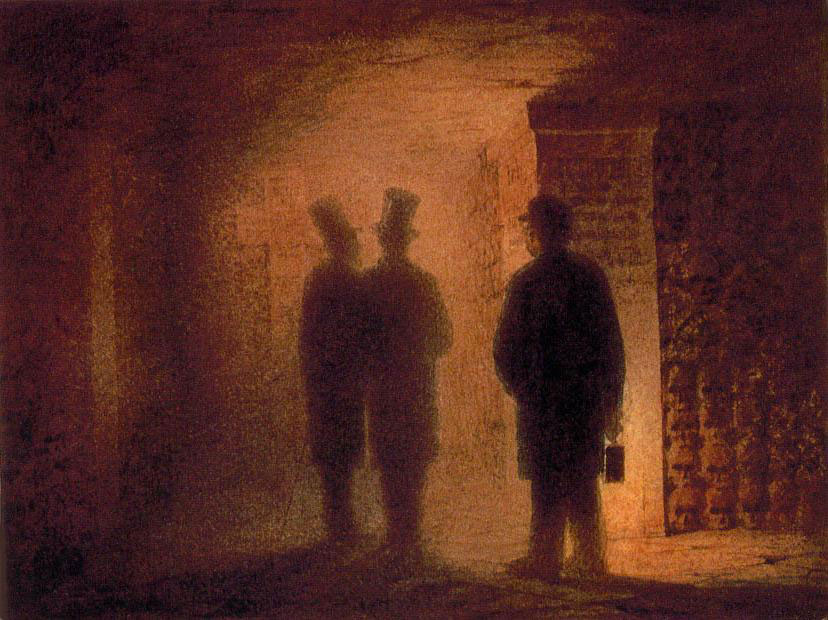


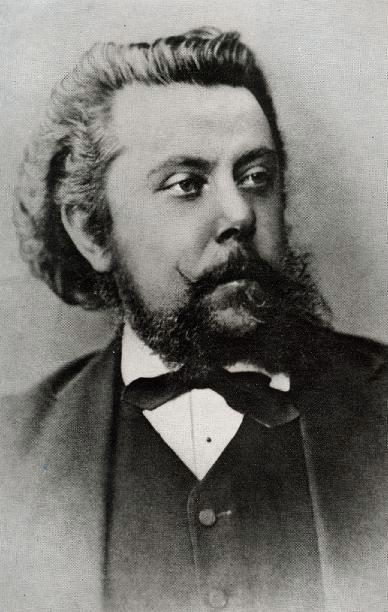


Structure and musical characteristics
The composition is organized as a set of distinct tableaux that contrast vivid character sketches with reflective passages. Each movement is intended to depict a specific artwork or idea: familiar titles include "Gnomus," "The Old Castle," "The Ballet of the Unhatched Chicks," and the monumental "The Great Gate of Kiev." The recurring Promenade functions as an aural glue, appearing in varied guises to suggest changing perspectives and moods. Harmonic color, bold rhythms and sometimes crude, purposely unsophisticated gestures give the suite a distinctive, often theatrical character.
History and notable arrangements
Mussorgsky wrote Pictures at an Exhibition after viewing a memorial exhibition of works by his friend, the artist Viktor Hartmann; the music is programmatic in the sense that each movement was inspired by a specific painting or design. Although Mussorgsky’s original piano version remains important, several conductors and composers later produced orchestral arrangements. The most famous is the 1922 orchestration by Maurice Ravel, whose colorful instrumentation helped establish the work as a staple of the concert hall and introduced it to a much wider audience. Other orchestrations and adaptations exist, but Ravel’s orchestral rendering is the one most often heard.
Performance, reception and uses
For pianists the suite presents both descriptive challenges and opportunities for showmanship; many virtuosos include movements from Pictures in recitals to display contrast, tone color and technical bravura. Orchestrated versions are programmed frequently by symphony orchestras and appear in ballet, film and popular arrangements. Critical opinion has varied over time, but today the work is celebrated for its originality and vivid imagination.
Distinguishing features and legacy
- Programmatic clarity: Each movement evokes a separate visual idea while the Promenade supplies continuity.
- Textural variety: The suite ranges from spare, modal-sounding passages to thickly scored, celebratory climaxes.
- Transmissible design: Its pictorial nature makes it adaptable—hence numerous orchestral versions and arrangements.
Pictures at an Exhibition stands as one of Mussorgsky’s most recognizable works and a bridge between Russian nationalist impulses and wider European tastes. Whether heard at the keyboard or in Ravel’s orchestral colors, the cycle continues to captivate listeners with its mixture of intimacy, humor and grand spectacle.
solo piano | Modest Mussorgsky | virtuosos | Maurice Ravel | arrangement | orchestral version
Questions and answers
Q: Who composed Pictures at an Exhibition?
A: Pictures at an Exhibition was composed by Modest Mussorgsky.
Q: When was Pictures at an Exhibition composed?
A: Pictures at an Exhibition was composed in 1874.
Q: What type of musical piece is Pictures at an Exhibition?
A: Pictures at an Exhibition is a piece of music for solo piano.
Q: Is Pictures at an Exhibition the most famous solo piano work by Mussorgsky?
A: Yes, Pictures at an Exhibition is Mussorgsky's most famous solo piano work.
Q: Who made an arrangement of Pictures at an Exhibition for the orchestra?
A: Maurice Ravel made an arrangement of Pictures at an Exhibition for orchestra.
Q: How is Pictures at an Exhibition usually heard today?
A: Pictures at an Exhibition is usually heard in the version arranged by Maurice Ravel for orchestra.
Q: Where are the composers from that created the current version of Pictures at an Exhibition?
A: The current version of Pictures at an Exhibition was created by a Russian composer, Modest Mussorgsky, and a French arranger, Maurice Ravel.
Related articles
Author
AlegsaOnline.com Pictures at an Exhibition — Mussorgsky’s suite for piano and its legacy Leandro Alegsa
URL: https://en.alegsaonline.com/art/76754