
Auvernier — village and former municipality in Neuchâtel, Switzerland
Auvernier is a lakeside village in the canton of Neuchâtel, known for vineyards, historic lakeshore remains and its 2013 merger with Bôle and Colombier to form Milvignes.
Overview
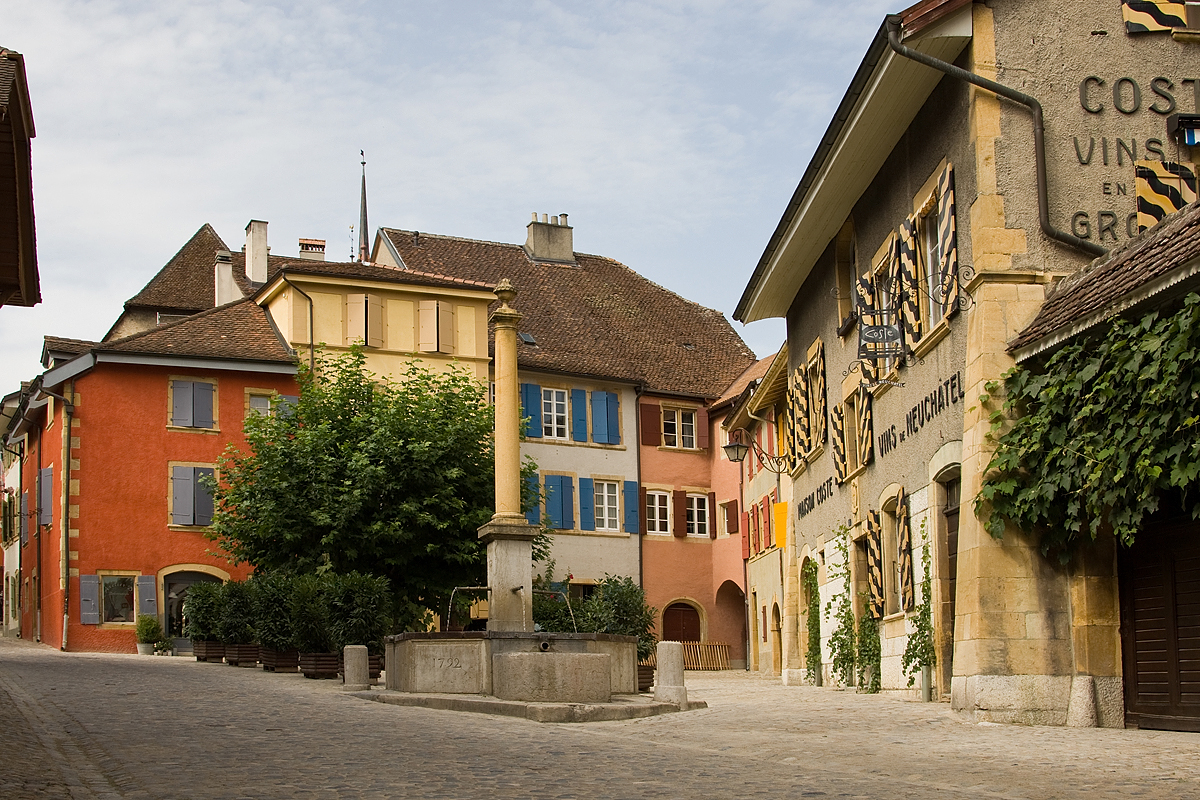
Auvernier is a village and former municipality in the district of Boudry in the French-speaking part of the canton of Neuchâtel, in Switzerland. It sits on the northeastern shore of Lake Neuchâtel and is known for a compact historic centre, waterside promenades and surrounding vineyards that shape the local landscape and economy.
Image gallery
8 Images



Geography and economy
Positioned along the lakeshore, Auvernier combines residential areas with agricultural terraces and wine-growing plots. The local economy traditionally rests on viticulture, small businesses, and services for residents and visitors. The lakefront and marina attract recreational boating and informal tourism, while regional rail and road links connect the village with larger urban centres in the Neuchâtel area.
History and archaeology
Evidence of human presence around Auvernier extends back to prehistoric times. Lake-dwelling (pile dwelling) remains in the area are among the archaeological features that reflect early settlement on the lakeshore; such sites contribute to the broader study of prehistoric lakeshore communities in the Alpine region. The village later grew through the medieval and early modern periods into a compact lakeside settlement with a mix of agricultural and craft activities.
Sights and local life
Visitors to Auvernier can find a quiet historic centre, vineyard walks, and lakeside paths. Notable local features include traditional wine terraces, lakeshore viewpoints and small-scale cultural events tied to viticulture and community life. The character of the village is shaped by its French-speaking culture and proximity to the lake.
Municipal merger and administration
On 1 January 2013 the former municipalities of Auvernier, Bôle and Colombier joined to form the new municipality of Milvignes. This administrative change consolidated local services and planning while preserving the individual identities of the villages. The area remains part of the canton of Neuchâtel and continues to be administered within cantonal structures.
Notable facts and distinctions
- The village is part of a lakeside region with both agricultural and recreational importance.
- Archaeological lake-dwelling remains connect Auvernier to broader prehistoric studies in the Alps.
- Since 2013 Auvernier has been administratively integrated into Milvignes while retaining its local character.
For further local information and municipal records consult the appropriate cantonal or municipal resources and regional cultural heritage listings.
Related articles
Author
AlegsaOnline.com Auvernier — village and former municipality in Neuchâtel, Switzerland Leandro Alegsa
URL: https://en.alegsaonline.com/art/7652
Sources
- pxweb.bfs.admin.ch : pxweb.bfs.admin.ch/pxweb/fr/px-x-0103010000_101/-/px-x-0103010000_101.px
- bfs.admin.ch : Amtliches Gemeindeverzeichnis der Schweiz
- commons.wikimedia.org : Auvernier