
Auxerre: historic prefecture and riverside town in Burgundy, France
Auxerre is a historic riverside city in the Bourgogne-Franche-Comté region of France. Prefecture of the Yonne department, noted for medieval architecture, a cathedral, abbey remains, viticulture links and cultural life.
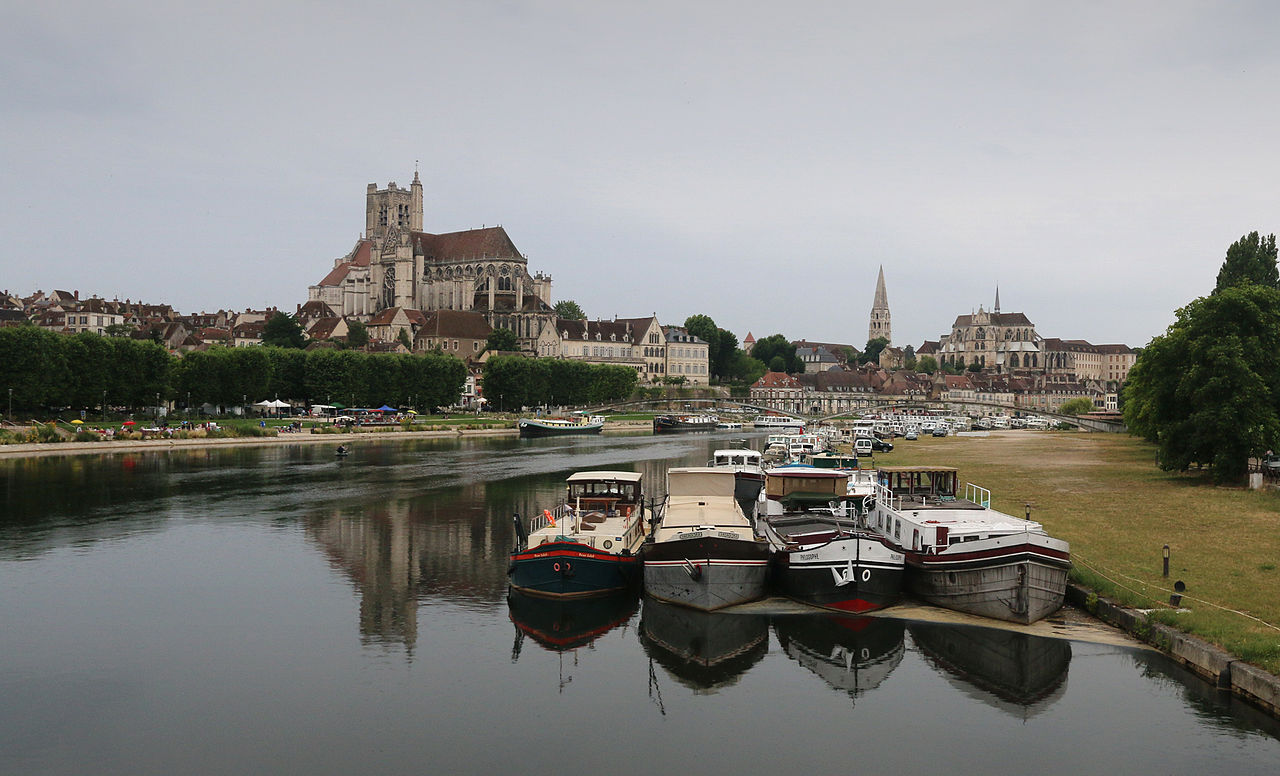
Auxerre is a French commune and administrative centre that sits on the banks of the Yonne River. Located in the northwest of Bourgogne-Franche-Comté, the city functions as the prefecture of the Yonne department. It combines a compact historic centre with riverfront promenades and is often visited for its architecture, museums and connections to Burgundy's wine country.
Image gallery
10 Images





Location and characteristics
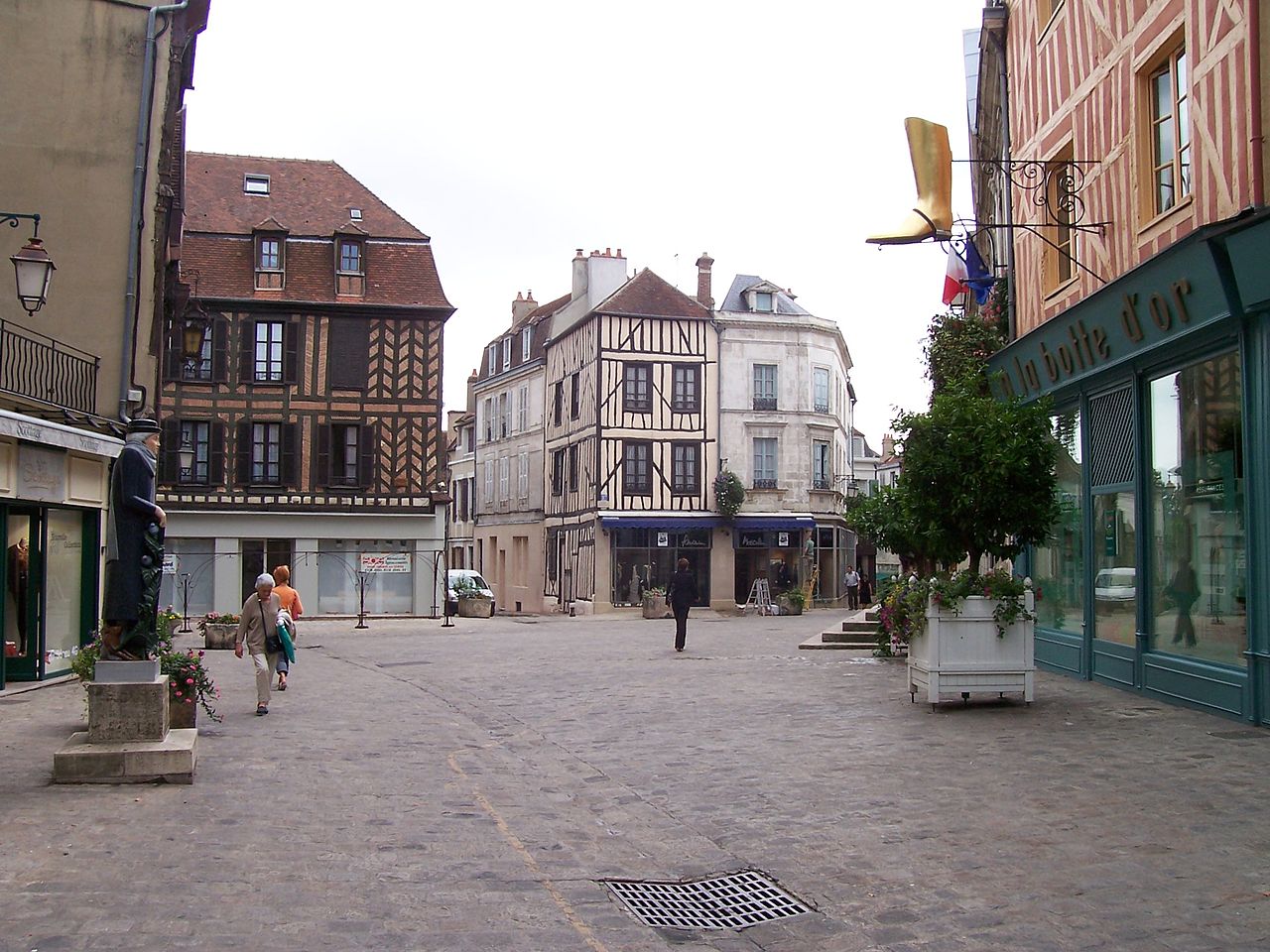
Auxerre lies within a mainly rural region of gently rolling hills and vineyards. The urban fabric includes timber-framed medieval streets, stone churches and larger civic buildings from later centuries. The Yonne River has shaped the town's layout and historic trade routes.
History and development
The site has been occupied since antiquity and developed as a religious and administrative centre during the Middle Ages. Monastic foundations and a bishopric helped establish Auxerre as a centre of learning and manuscript production. Over time it evolved into a regional market town and administrative capital.
Culture, economy and notable facts
Auxerre's economy mixes public administration, local services, tourism and links to viticulture in the surrounding area. The city is associated with regional wines—visitors often use it as a base to explore nearby vineyards. Sports and cultural life are prominent: the local football club has brought wider recognition and the city hosts festivals, markets and exhibitions.
Main sights
- St-Étienne Cathedral: an example of Gothic architecture with notable stained glass and sculptural work.
- Abbey of Saint-Germain: archaeological remains and crypts that highlight early medieval history.
- Well-preserved medieval streets and timber-framed houses in the historic centre.
- Museums, riverfront walks and local markets that showcase regional crafts and cuisine.
Auxerre is easily accessible by road and rail from larger cities and serves both administrative and touristic roles in the heart of Burgundy. For visitors seeking history, wine connections and a compact urban core on a river, it remains a distinctive French town with layers of medieval and modern life. Learn more about lodging and seasonal events from local sources or tourist offices.
Questions and answers
Q: Where is Auxerre located?
A: Auxerre is located in the northwest of the Bourgogne-Franche-Comté region in France.
Q: What is the administrative status of Auxerre?
A: Auxerre is the prefecture of the Yonne department in France.
Q: What is the meaning of the term "commune" in relation to Auxerre?
A: Commune refers to a small administrative area in France, and Auxerre is one of such communes.
Q: Which region in France is Auxerre situated in?
A: Auxerre is in the Bourgogne-Franche-Comté region.
Q: What is the significance of Auxerre being the prefecture of the Yonne department?
A: Being a prefecture means that Auxerre is the administrative center of the Yonne department, and also plays a crucial role in implementing government policies in the department.
Q: How is Auxerre described culturally?
A: The text does not provide information about the cultural description of Auxerre.
Q: Is there any other notable information about Auxerre from the text?
A: The text does not provide any other notable information about Auxerre.
Related articles
Author
AlegsaOnline.com Auxerre: historic prefecture and riverside town in Burgundy, France Leandro Alegsa
URL: https://en.alegsaonline.com/art/7657
Sources
- auxerre.com : "Le conseil municipal"
- insee.fr : "Commune d'Auxerre (89024) - Comparateur de territoire"
- map-france.com : "The city of Auxerre"
- annuaire-mairie.fr : "Ville d'Auxerre"
- weatherbase.com : "Auxerre, France - Climate Summary"
- habitants.fr : "Yonne"
- insee.fr : "Régions, départements, arrondissements, cantons et communes"
- insee.fr : "Unité urbaine d'Auxerre (89402)"
- insee.fr : "Aire urbaine d'Auxerre (096)"
- auxerre.com : "Villes Jumelles"