
Phetchabun Province, Thailand
Phetchabun is a mountainous province in northern Thailand known for its highland scenery, national parks, agriculture and seasonal tourism. The capital city is Phetchabun.
Phetchabun (Thai: เพชรบูรณ์) is a province in the northern part of Thailand. The province capital is the town of Phetchabun. It covers a substantial area and, according to earlier reports, had a population of roughly 965,784 people around the year 2000. The landscape combines lowland plains with significant highland and mountain areas that shape local climate and economy.
Image gallery
9 Images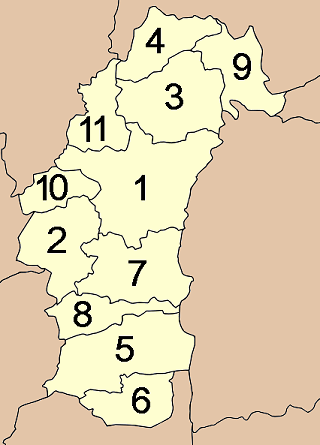




Geography and environment
Phetchabun is characterised by ranges and plateaus that form part of Thailand's central-northern highlands. Prominent features include cool upland districts and forested national parks. These higher-altitude zones bring cooler temperatures than the neighbouring lowlands and provide habitat for varied plant and animal life. Rivers and agricultural plains lie in the valleys between the hills.
Economy and land use
The provincial economy mixes agriculture, forestry and tourism. Farmers in the region grow crops suited to both lowland and upland conditions, operate orchards and run small-scale hill farming. Local markets and seasonal attractions also contribute: visitors come for cool-weather retreats, natural scenery and cultural experiences in the rural districts.
History and culture
Historically, Phetchabun has served as a transitional area between Thailand's northern and central regions, which is reflected in local dialects, customs and architectural styles. Buddhist temples, community festivals and hill-tribe villages are part of the cultural fabric. Many traditions centre on agricultural cycles and local religious observances.
Attractions and notable places
- Mountain viewpoints and scenic highland districts popular for nature tourism.
- Several national parks and protected areas that conserve forest and wildlife.
- Local markets, temples and seasonal flower displays that draw domestic visitors.
- Rural villages and hill communities offering cultural encounters and homestays.
Phetchabun's mix of mountains, national parks and agricultural plains makes it significant both for conservation and for people seeking cooler landscapes within Thailand. For those researching further, provincial information is commonly available through regional tourism and government sources.
Related articles
Author
AlegsaOnline.com Phetchabun Province, Thailand Leandro Alegsa
URL: https://en.alegsaonline.com/art/76371