
Phetchabun Province, Thailand
Phetchabun is a north‑central Thai province of varied landscapes: fertile river plains, forested highlands and protected national parks. It is known for cool highland retreats, seasonal flower displays and agriculture.
Overview
Phetchabun is a province in north‑central Thailand occupying a transition zone between the central plain and upland ranges. The provincial capital is the town of Phetchabun. The landscape ranges from low river valleys used for agriculture to forested mountains and plateaus. The province is several hundred kilometres north of Bangkok and is noted for cooler highland areas that attract visitors during the dry, cool season.
Image gallery
1 Image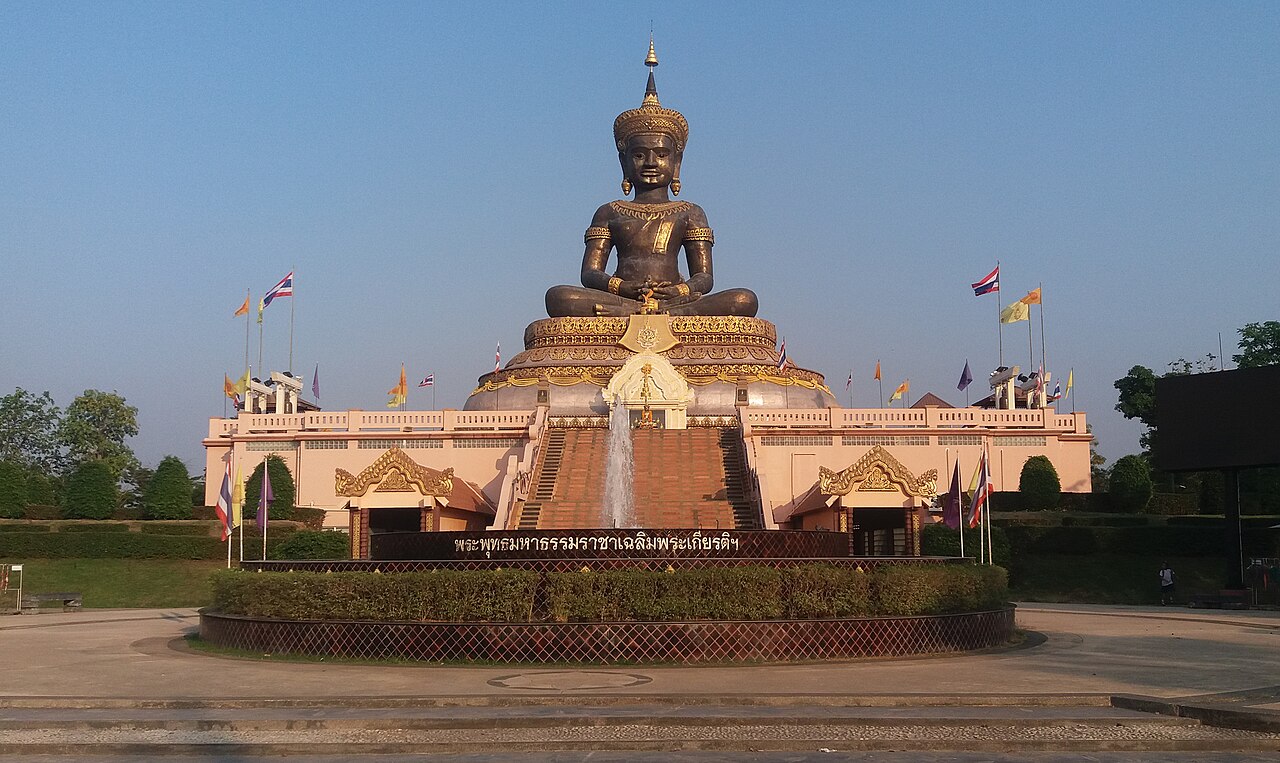
Geography and environment
Phetchabun's terrain stretches more along a north–south axis than east–west. River plains and irrigated fields dominate the lower ground, while a series of forested hills and mountain ranges form the western and northern parts of the province. Elevation and topography produce local climatic variation: lowland areas are hot and humid in the rainy season, while upland plateaus and peaks are cooler and frequently misty in the cooler months. Several national parks and protected areas conserve distinctive rock formations, pine and evergreen forests, grasslands and seasonal flower meadows.
History and culture
The province has served historically as a corridor between central Thailand and the northern interior, shaping local culture and settlement patterns. Rural traditions remain strong: agricultural festivals, temple fairs and market customs follow seasonal cycles. In the twentieth century, parts of the upland interior became notable for political events connected with national movements, and some sites now combine historical interpretation with natural attractions.
Economy and agriculture
Agriculture is the mainstay of the provincial economy. Farmers cultivate rice in the lowlands and raise a variety of commercial crops, vegetables and fruit in more suitable districts; livestock and smallholder horticulture are also important. In recent decades there has been growth in agro‑industry, food processing and services that support tourism and local markets.
Tourism and major attractions
Phetchabun attracts domestic tourists with its mix of natural scenery and cool‑weather hill stations. Notable attractions include highland areas with viewpoints and memorials, national parks offering hiking and geological features, and seasonal flower displays that draw visitors to roadside viewpoints and farms. Popular activities are scenic drives, nature walks, birdwatching and attending local festivals during harvest and flowering seasons.
Transport and administration
The province is served by an inter‑regional road network and by regular bus services linking the provincial capital with Bangkok and neighbouring provinces. Local travel is supported by a system of district roads and regional public transport. The provincial administration oversees local development, conservation of protected areas and promotion of sustainable tourism that balances visitor access with environmental protection.
- Varied landscapes from lowland plains to upland plateaus and mountains.
- Protected areas and national parks with trails and geological formations.
- Cool highland retreats and seasonal flower displays popular with visitors.
- Agriculture and agro‑industry remain important to the regional economy.
Questions and answers
Q: Where is Phetchabun located?
A: Phetchabun is located in the northeastern and central part of Thailand.
Q: How big is Phetchabun?
A: Phetchabun is about 12,668.416 square metres (3.130434 acres) in size.
Q: What is the distance from east to west in Phetchabun?
A: The distance from east to west in Phetchabun is 55 kilometres (34 mi).
Q: What is the distance from north to south in Phetchabun?
A: The distance from north to south in Phetchabun is 296 kilometres (184 mi).
Q: What is the height above sea level of Phetchabun?
A: The height above sea level of Phetchabun is 114 metres (374 ft).
Q: How far is Phetchabun from Bangkok?
A: Phetchabun is 346 kilometres (215 mi) from Bangkok.
Q: In which parts of Thailand is Phetchabun situated?
A: Phetchabun is situated in both northeastern and central parts of Thailand.
Related articles
Author
AlegsaOnline.com Phetchabun Province, Thailand Leandro Alegsa
URL: https://en.alegsaonline.com/art/76372
Sources
- phetchabun.go.th : Phetchabun-history
- tools.wmflabs.org : 16°25′1″N 101°09′12″E / 16.41694°N 101.15333°E / 16.41694; 101.15333