
Pfaffenheim: a commune in Haut-Rhin, Alsace, France
Pfaffenheim is a small Alsatian commune in the Haut-Rhin department of northeastern France, known for its vineyards, Alsatian heritage and a population of about 1,428 (2015).
Pfaffenheim is a small French commune located in the historical region of Alsace. It lies within the administrative area of the Haut-Rhin department and forms part of the broader cultural landscape of eastern France. The village is principally noted for viticulture and traditional Alsatian architecture. In 2015 the recorded population was about 1,428 inhabitants.
Image gallery
1 Image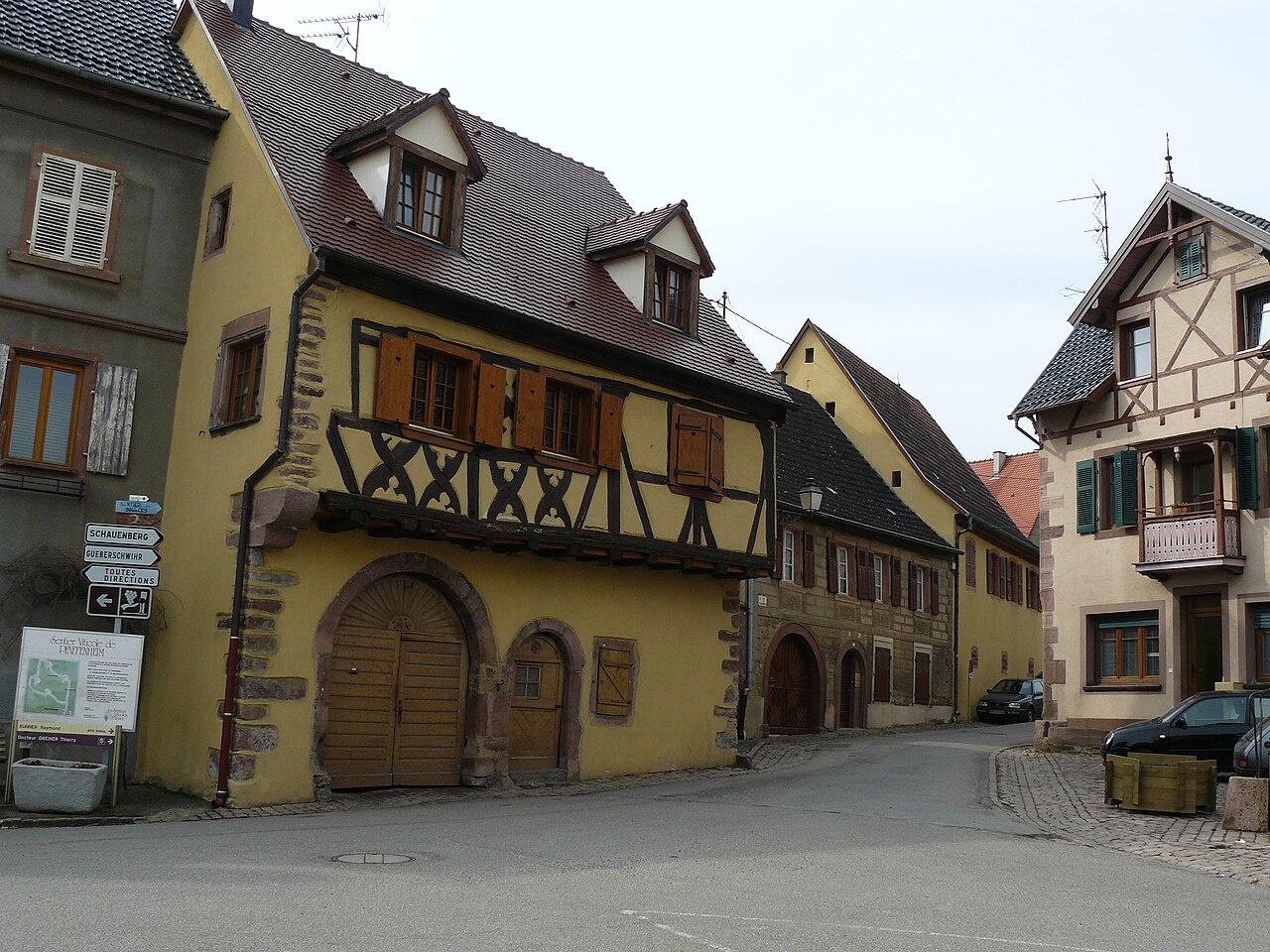
Geography and landscape
Pfaffenheim occupies a corridor of gently rolling slopes typical of the Alsace wine-growing belt. Vineyards surround the settlement and contribute to a patchwork of cultivated parcels and small woodlands. The location gives villagers and visitors ready access to rural scenery while also being within driving distance of larger urban centers in the region.
History and name
The place-name has Germanic roots common in Alsace: "Pfaffenheim" can be interpreted as "priests' home" (pfaffe = priest, heim = home), reflecting the area's medieval linguistic and ecclesiastical influences. Like many villages in Alsace, Pfaffenheim has a history shaped by alternating French and German administrative control, local parish life and a longstanding agricultural economy.
Economy, wine and culture
Viticulture is a central element of local life. Growers produce grapes typical of Alsace's vineyards, and local wines are often marketed through village cooperative cellars or small domaines. Cultural life includes seasonal festivals, markets and events tied to harvest and local traditions. Typical local features include half-timbered houses, a parish church, and community organizations that sustain folk customs and cuisine.
Administration and access
Pfaffenheim is administered as a French commune within the Haut-Rhin departmental system and is part of regional planning in Grand Est. Road connections link the village to nearby towns; the nearest larger cities offer rail and wider transport services. Local governance follows the standard French municipal model with a mayor and municipal council.
Notable distinctions include its place on or near the Alsace wine route, bilingual cultural influences (French and Alsatian/German), and a profile typical of many small rural communes that balance agricultural production with modest tourism and residential life. For further municipal details and visitor information consult local resources and regional guides.
Related articles
Author
AlegsaOnline.com Pfaffenheim: a commune in Haut-Rhin, Alsace, France Leandro Alegsa
URL: https://en.alegsaonline.com/art/76296