
Perry County, Alabama
Perry County is a rural county in west‑central Alabama, founded in 1819 and named for Commodore Oliver Hazard Perry. The county seat is Marion; 2010 population: 10,591.
Overview: Perry County lies in the interior of the U.S. state of Alabama. It is a predominantly rural county with deep connections to the region known as the Black Belt, a physiographic and cultural area that shaped much of the county's economy and demography. As recorded in the 2010 census, the population was 10,591, and the county's administrative center is the town identified by the county seat, Marion.
Image gallery
2 Images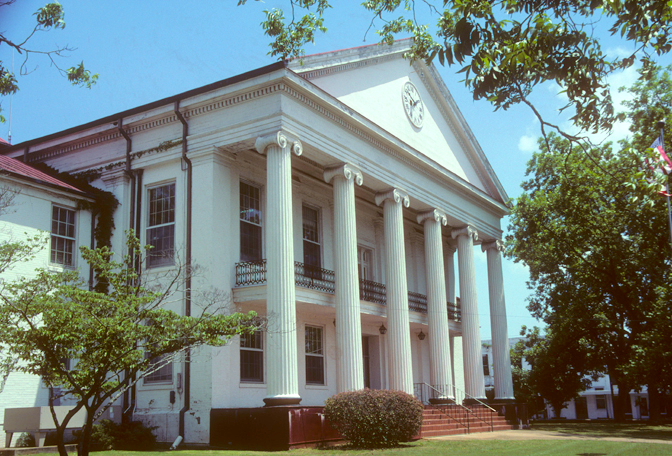

History
Perry County was established in late 1819, shortly before Alabama's admission to the Union, and it was named to honor Commodore Oliver Hazard Perry, a prominent naval commander of the early 19th century. The choice of name reflected national reverence for figures of the War of 1812 era and for achievements in the United States Navy. Over the 19th and early 20th centuries the county's landscape and settlement patterns were shaped by plantation agriculture and the broader social and economic trends of the southern United States.
Geography and population
Perry County occupies a largely rural area with farmland, forested tracts and small towns. The county's soils and climate supported commodity crops historically, and many communities remain small and dispersed. Demographically, Perry County has a substantial African American population and, like many rural counties in the region, has experienced population changes and outmigration as economic opportunities shifted toward larger cities.
Economy, education and culture
The local economy traditionally relied on agriculture and timber; today it includes public services, small-scale manufacturing, and retail that serve county residents. Marion and other towns host local schools, churches and cultural organizations that preserve regional traditions and historic architecture. Historic courthouses, churches and residential districts illustrate the county's layered past.
Government, communities and notable facts
- County seat: Marion, location of local government and civic institutions.
- Founding: created in December 1819 and named for Oliver Hazard Perry of the United States Navy.
- Population reference: 2010 census count reported 10,591 residents.
Local government is administered by elected county officials and a commission system common to Alabama counties. While relatively small in population, Perry County retains historical significance within the state for its architecture, rural landscape and role in the social and economic history of the Black Belt region.
Related articles
Author
AlegsaOnline.com Perry County, Alabama Leandro Alegsa
URL: https://en.alegsaonline.com/art/75909
Sources
- quickfacts.census.gov : "State & County QuickFacts"
- naco.org : "Find a County"
- books.google.com : History of Alabama and dictionary of Alabama biography