
Per Fugelli: Norwegian physician, public health advocate and writer
Per Fugelli (1943–2017) was a Norwegian physician, professor and public intellectual known for his work on primary care, social medicine and health equity, and for numerous books and editorial projects.
Overview
Per Fugelli (7 December 1943 – 13 September 2017) was a Norwegian physician, university professor and public intellectual whose work bridged clinical practice, public health and civic debate. Born in Stavanger, he became widely known both within Norway and abroad for campaigning on behalf of patients, for defending the role of general practice, and for arguing that health services must respond to social justice as well as to medical need.
Image gallery
2 Images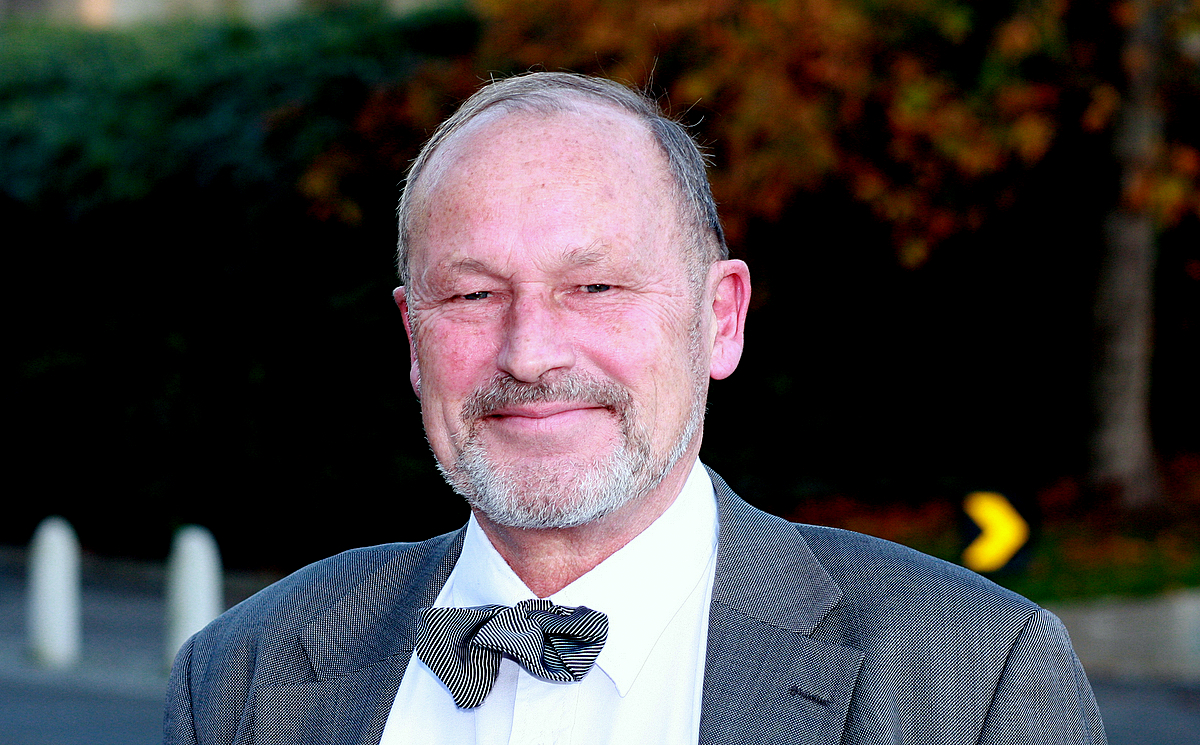

Academic career and areas of interest
Fugelli held professorships in medicine during a multi‑decade academic career. He served at the University of Bergen from 1984 to 1992 and thereafter at the University of Oslo. His academic focus combined clinical general practice with social and community aspects of health: research and teaching emphasised how living conditions, social structures and health policy shape both individual wellbeing and population health. He worked to keep the perspective of the family doctor central to medical education and to health services planning.
Writings and public engagement
Fugelli was a prolific author of books, essays and public commentary. His early books examined practice and health services in remote communities and the role of the family physician, while later collections and essays addressed ethics, fairness and the human dimensions of medicine. He regularly contributed to public debate through newspaper columns, lectures and interviews, bringing medical knowledge into conversation with social and political issues. His writing style combined clinical insight with moral urgency, aiming to make health policy intelligible to a broad audience.
Themes, influence and distinctions
Several themes recur across Fugelli's work: the importance of continuity in primary care, the ethical duty to reduce health inequalities, and resistance to market-driven approaches that fragment services. He argued that health care should be measured not only by technological capacity but by its capacity to relieve suffering and to treat people with dignity. These positions made him a distinctive voice in Norwegian debates about health reform and service organisation.
Selected works and editorial projects
- Tilbake til huslegen (1975)
- Doktor på Værøy og Røst (1977)
- Helsetilstand og helsetjeneste på Værøy og Røst (1978)
- Med sordin og kanon (essays, 1990)
- Helse og rettferdighet (1990)
- 0‑visjonen (2003)
- Nokpunktet (2008)
He also edited or co‑edited practical and reference works, including Huslegen (1985), Medisinsk leksikon (1990), Medisin og helse (1993) and Verdier og penger i helsetjenesten (2009), contributing to both professional education and public understanding.
Death and legacy
Per Fugelli died on 13 September 2017 in Jæren, Norway. In the years since his death his writings and public interventions continue to be cited in discussions about the values that should guide health services, the role of primary care, and the social responsibilities of medicine. His mixture of clinical experience, scholarly work and public advocacy left a lasting mark on Norwegian medical culture and on debates about health equity.
Related articles
Author
AlegsaOnline.com Per Fugelli: Norwegian physician, public health advocate and writer Leandro Alegsa
URL: https://en.alegsaonline.com/art/75729
Sources
- snl.no : "Per Fugelli"
- folk.uio.no : "Liste over Per Fugellis bøker"
- vg.no : "Per Fugelli er død"