
Pecq (Belgium) — municipality in Hainaut
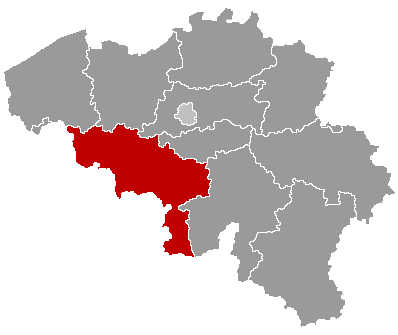
Pecq is a small French-speaking municipality in the Belgian province of Hainaut, noted for its rural character. Coordinates: 50°41′N, 3°20′E. Population was about 5,309 in 2007.

Overview
Pecq is a municipality in the Walloon region of Belgium, located in the province of Hainaut. It is a French-speaking community with a compact population; in 2007 the municipality counted 5,309 inhabitants. The town lies at approximately 50°41′ North, 3°20′ East and combines a small urban centre with surrounding rural areas. For administrative information see the municipal entry at municipality page and regional context on the Hainaut province site.
Image gallery
3 Images

Geography and character
Pecq occupies a modest area of lowland terrain typical of western Hainaut, with farmland, patches of woodland and local roads connecting it to neighbouring communes. Its setting close to the French border contributes to cross-border commuting and cultural links. The built environment includes a parish church, civic buildings and clusters of houses that mark the village centre.
History and administration
The locality has roots extending back several centuries as a settlement in this part of Wallonia. Like most Belgian municipalities, Pecq is governed by an elected municipal council and a mayor who oversee local services such as schools, public works and community events. Historical markers in the town reflect regional developments rather than national level events.
Demographics, economy and services
Demographically, Pecq is small and predominantly residential. The local economy relies mainly on agriculture, small businesses, craftsmen and services that support daily life. Residents typically travel to larger nearby towns for wider employment, shopping and healthcare. Public amenities are modest but include primary education options and municipal facilities.
Notable facts and visiting

- Coordinates: 50°41′N, 3°20′E — useful for maps and navigation.
- Population noted at 5,309 in 2007; current figures may differ.
- Part of French-speaking Wallonia, with close cultural ties to nearby French towns.
Pecq illustrates a common type of small Belgian municipality: locally focused, with quiet rural surroundings and administrative links to the wider provincial infrastructure of Hainaut. Visitors or researchers seeking official data or services should consult the municipal contact points and the provincial resources linked above.
Related articles
Author
AlegsaOnline.com Pecq (Belgium) — municipality in Hainaut Leandro Alegsa
URL: https://en.alegsaonline.com/art/75391
Sources
- statbel.fgov.be : Werkelijke bevolking per gemeente op 1 januari 2007 / Population de droit par commune au 1 janvier 2007 (.xls)
- statbel.fgov.be : Geografische coördinaten van de gemeenten (.xls)