
Passion cantata: musical settings of Christ’s suffering and death
A Passion cantata is a vocal composition that sets the events and reflections on Jesus Christ’s Passion to music. It developed in Christian liturgy and flourished in the Baroque era.
A Passion cantata is a type of cantata whose text and dramatic focus concern the Passion of Jesus Christ — the events leading to and including his arrest, trial, suffering and death on the cross. In scale and ambition it lies somewhere between simple liturgical chants and the larger staged sacred works often called oratorios. Passion cantatas are intended to frame biblical narrative passages with reflective poetry, congregational hymn melodies and musical commentary.
Image gallery
2 Images
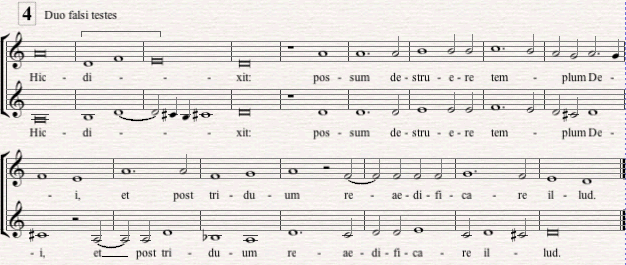
Characteristics and structure
Typical Passion cantatas combine several short movements that may include recitatives narrating the story, arias for individual reflection, choral passages that comment or represent crowds, and chorales or hymn-like strophes for collective response. Forces vary from a few solo singers and continuo to full choir and small orchestra. The text often interleaves direct biblical citations (for example, lines from the Gospels) with paraphrases, free poetry, and familiar hymn tunes so that theological reflection accompanies the narrative.
Historical development
The musical Passion has roots in medieval liturgical drama and plainchant. During the Renaissance composers set Gospel Passion texts polyphonically. In the Baroque era the Protestant cantata tradition expanded the form: composers wrote settings designed for church services and for devotional observance in Holy Week. The practice produced works that ranged from intimate devotional pieces to extended musical dramas; some surviving Passions are substantial enough to be performed as concert oratorios.
Performance context and use
Passion cantatas were composed primarily for observance in Holy Week, often for services on Good Friday or during the days immediately preceding Easter. Today many are still heard in church services and in concert halls, commonly performed in the week before Easter. Their dual role can be liturgical — guiding worshippers’ reflection — and artistic, offering composers a vehicle to explore text painting, dramatic contrast and devotional expression.
Notable examples and distinctions
- Well‑known Passion settings vary in length and scope; some famous large-scale Passions are frequently presented as concert works, while many shorter cantatas remain part of local Holy Week services.
- Distinctions: a "Passion" names the subject; a "cantata" describes a musical form and function; an "oratorio" usually implies a larger, more theatrical concert work.
Because the term "Passion cantata" covers a range of sizes and purposes, it continues to be used flexibly by composers, performers and liturgical planners today.
Related articles
Author
AlegsaOnline.com Passion cantata: musical settings of Christ’s suffering and death Leandro Alegsa
URL: https://en.alegsaonline.com/art/74942