
Paros: A Greek Island of the Cyclades
Paros is a central Cyclades island in the Aegean Sea known for its white villages, Parian marble, sandy beaches and maritime links to other Cycladic islands.
Paros is a Greek island in the Aegean Sea that belongs to the Cyclades archipelago. It lies near the centre of the group and is one of the larger islands by area. The island has an approximately circular shape with a landscape of low hills and fertile valleys. Its area is about 195 km² and its permanent population is roughly thirteen thousand inhabitants, concentrated mainly in a few coastal towns and several inland villages.
Image gallery
10 Images



Principal towns and places
The two largest settlements are Paroikia (often called Paros town), the island's main port and administrative centre, and Naoussa, a picturesque fishing harbour with narrow streets and a lively waterfront. Other well-known villages include Lefkes and Marpissa, which preserve traditional architecture and winding lanes. Notable beaches and seaside areas include Golden Beach, Santa Maria and Kolymbithres, popular for swimming and windsurfing.
Geography and environment
Paros combines agricultural land, scrub and rocky outcrops. The interior contains olive groves, vineyards and small farms; coastal zones support tourism infrastructure. The island's geology includes veins of fine white marble — the famous Parian marble — long quarried in antiquity for sculpture and building material.
History and cultural significance
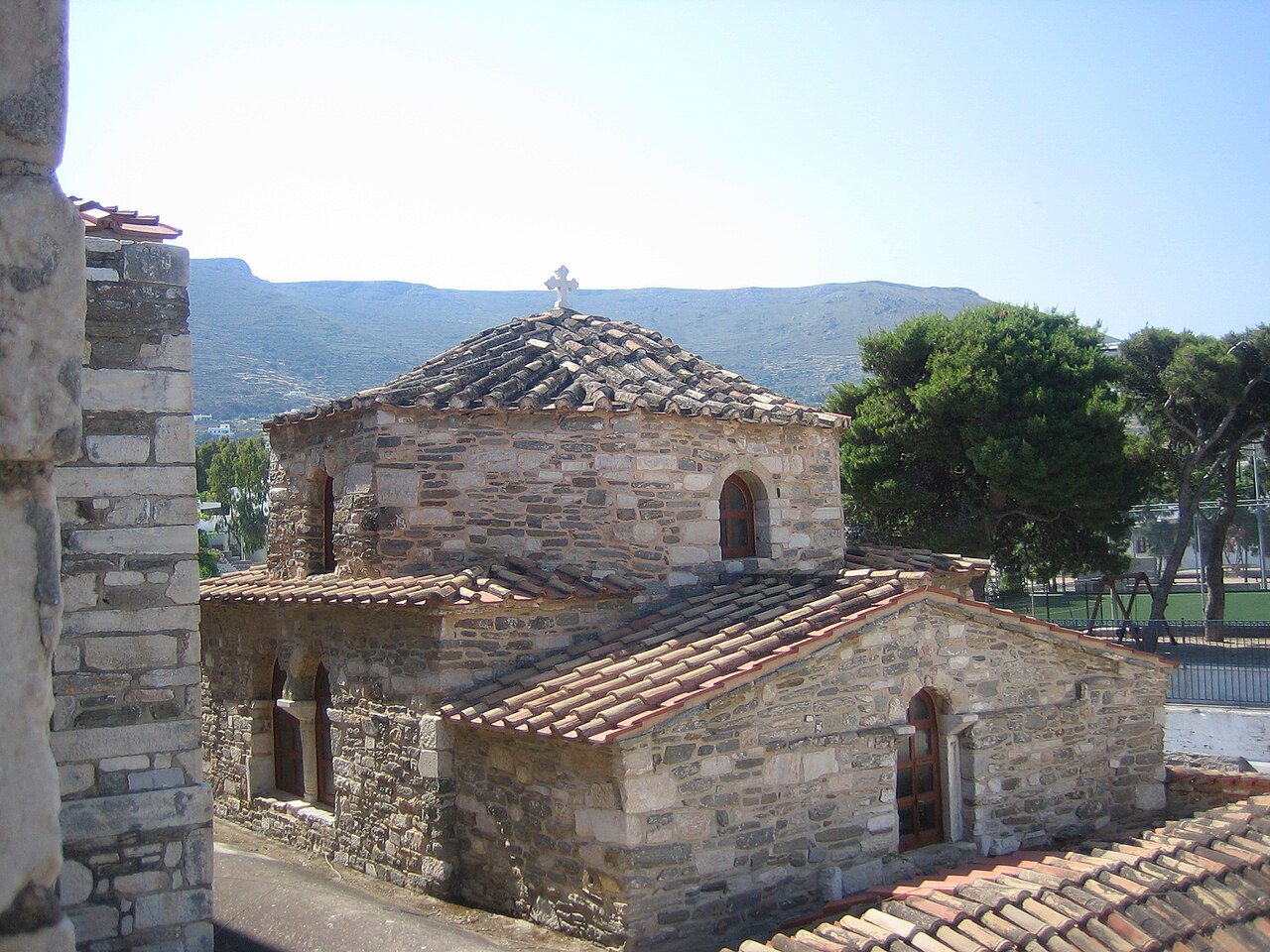
Paros has been inhabited since prehistoric times and played a role in ancient Cycladic culture. In antiquity its marble was prized across the Mediterranean. Over centuries the island experienced classical, Byzantine, Venetian and Ottoman influence, leaving a mixed architectural and archaeological record of churches, fortifications and settlements. Today traditional festivals, local crafts and cuisine reflect this layered history.
Economy, tourism and transport
The modern economy combines tourism, agriculture and fishing. Visitors come for beaches, watersports, traditional villages and a relaxed island atmosphere. Paros is served by ferry links and has a local airport, providing regular connections to Athens and neighbouring islands, making it a hub for island-hopping in the Cyclades. For practical visitor information see Paros information and regional details at Cyclades resources.
Distinctive facts
- Parian marble: historically important material for sculpture and building.
- Traditional villages: many retain Cycladic architecture—whitewashed houses, narrow alleys and small chapels.
- Popular for wind sports: several beaches have reliable winds suited to windsurfing and kitesurfing.
Paros combines cultural heritage and contemporary island life, making it representative of the Cycladic island experience while offering its own distinct character and attractions.
Related articles
Author
AlegsaOnline.com Paros: A Greek Island of the Cyclades Leandro Alegsa
URL: https://en.alegsaonline.com/art/74793
Sources
- greeka.com : Paros, architecture