
Paolo Villaggio: Italian comedian, actor, and satirist
Profile of Paolo Villaggio, the Italian actor, writer and comedian best known for his satirical characters (Ugo Fantozzi, Fracchia, Professor Kranz), career, style and cultural impact.
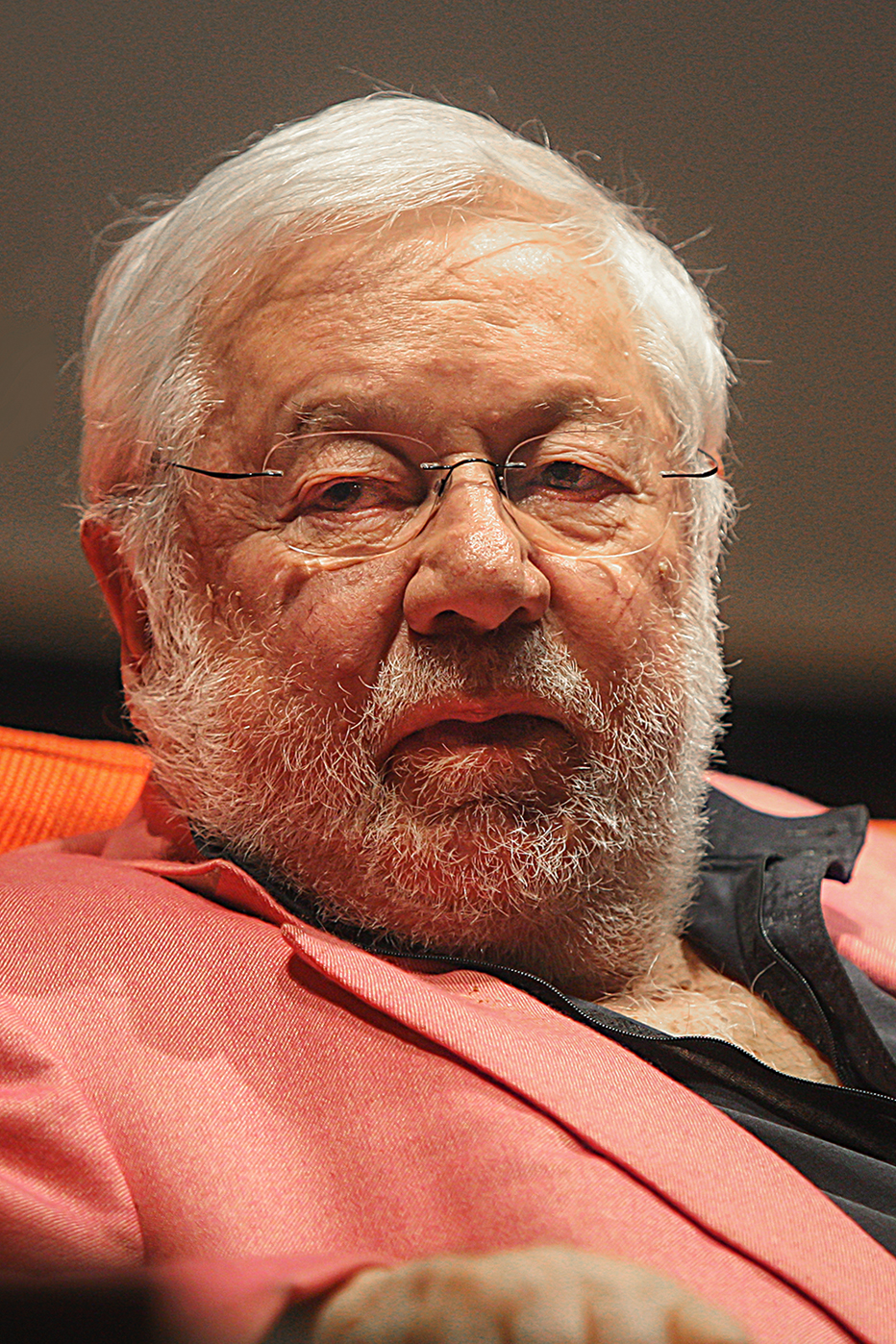
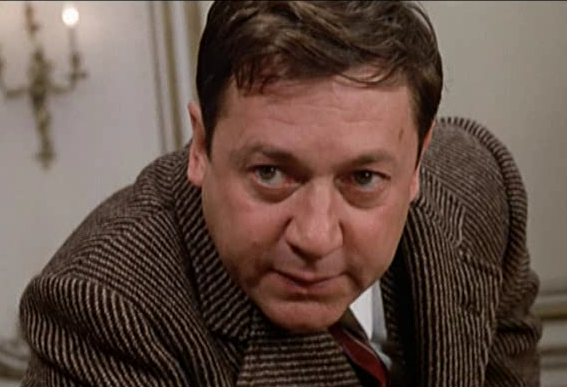
Paolo Villaggio was an influential Italian comedian, actor, writer, director and voice performer whose work blended grotesque humour and social satire. Born in Genoa, in the region of Liguria, he became a household name in Italy for a set of recurring, exaggerated characters that lampooned modern life, bureaucracy and middle‑class anxieties. Villaggio wrote numerous books, performed across stage, television and film, and also tackled dramatic roles alongside his better‑known comic creations. He died in Rome of complications related to diabetes on 3 July 2017 at the age of 84.
Image gallery
3 Images
Notable characters
Villaggio developed a small gallery of personas that embodied different types of human frailty. These figures relied on physical awkwardness, verbal malapropisms and an ability to elicit both laughter and sympathy from audiences. Among the best known are:
- Ugo Fantozzi — A hapless, overworked office clerk whose misfortunes and humiliations serve as a running satire of corporate life, social climbing and the indignities of postwar Italian society.
- Giandomenico Fracchia — An ultra‑timid, nervy man whose chronic anxiety and squeamishness create comic situations rooted in embarrassment and social fear.
- Professor Kranz — A pompous, outlandish academic figure used to poke fun at pretension and intellectual vanity.
These inventions are often described as paradoxical in the way they mix cruelty and compassion, causing audiences to laugh and to recognize uncomfortable truths about conformity and humiliation.
Career and artistic approach
Villaggio began his public career as a writer and stage performer, and he translated his comic sketches into books, radio and television appearances. His humour combined slapstick, linguistic play and bleak social observation; he frequently turned private failure into broad cultural critique. Beyond comedy, Villaggio accepted dramatic roles and worked as a voice actor and director, demonstrating versatility that extended past his most famous personas.
Impact and legacy
Villaggio left a lasting mark on Italian popular culture: his characters entered everyday language and his catchphrases and routines influenced later generations of comedians and filmmakers. The Fantozzi figure, in particular, remains a touchstone for discussions about workplace absurdity and social humiliation. Critics have praised Villaggio for his ability to combine pathos with farce, producing work that is at once funny, bitter and socially observant.
Works and adaptations
His output includes books of satirical stories, television sketches, stage shows and a series of popular films built around his signature figures. Many of these works were adapted across media, helping his characters reach a wide and enduring audience. Villaggio’s career is studied both for its broad popular appeal and for its critique of modern social institutions.
Related articles
Author
AlegsaOnline.com Paolo Villaggio: Italian comedian, actor, and satirist Leandro Alegsa
URL: https://en.alegsaonline.com/art/74421
Sources
- independent.com.mt : Actor Paolo Villaggio, of Fantozzi fame, dies in Rome