
Aureus — Roman gold coin
Aureus was the principal gold coin of ancient Rome from the late Republic to the 4th century AD, a high-value unit typically worth 25 denarii, used for large payments, official issues and imperial imagery before the solidus.
Overview
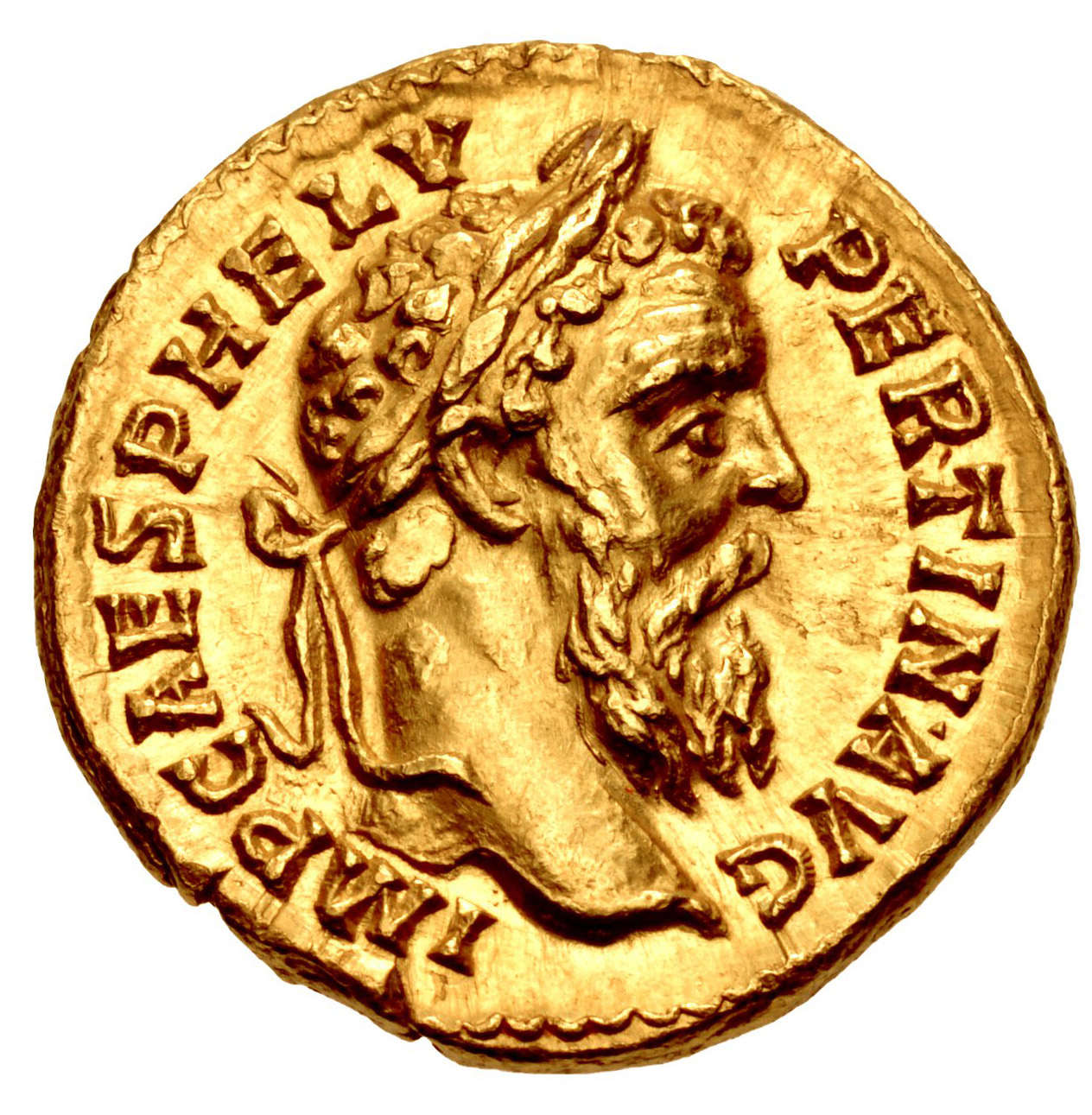
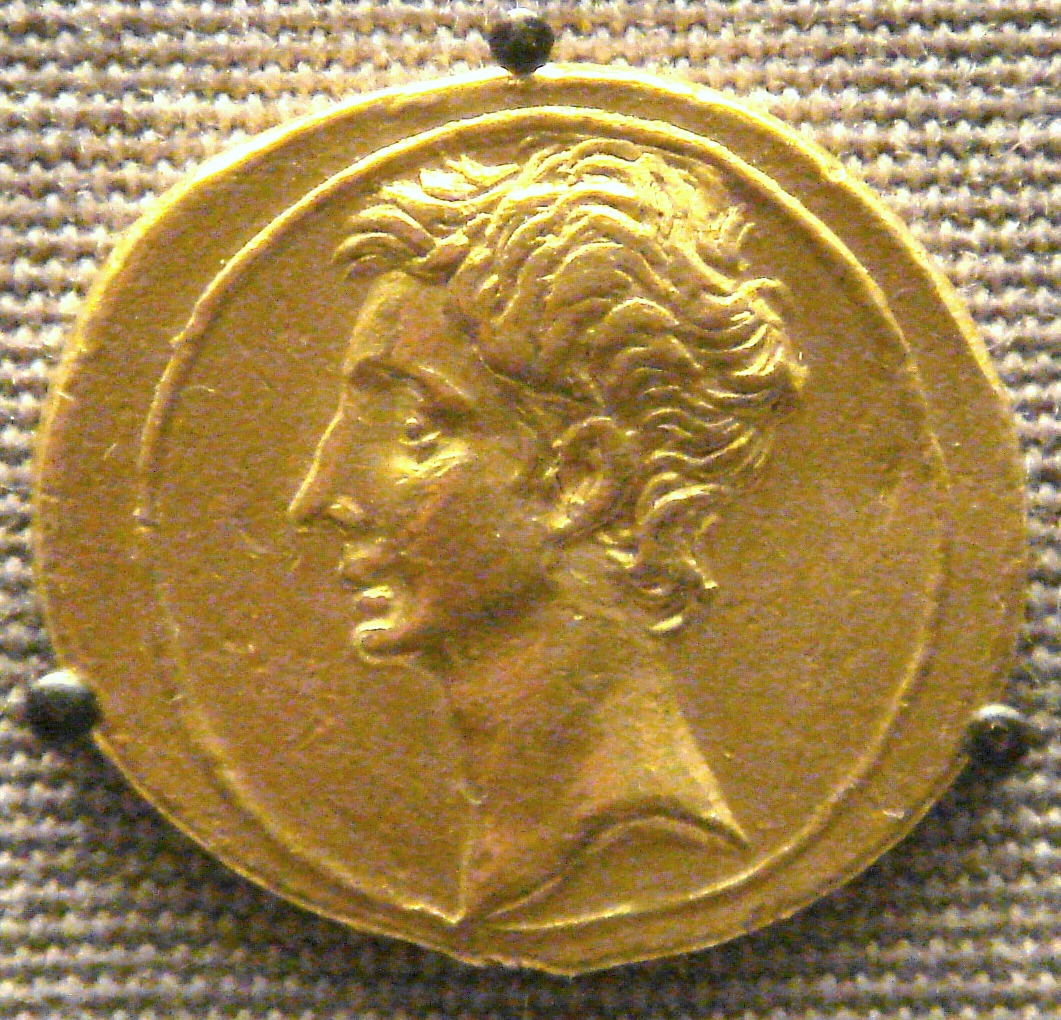
The aureus (plural aurei) was the principal gold coin of ancient Rome. Its name derives from the Latin for "golden" and it functioned as a high-value denomination and store of wealth. The coin commonly bore the portrait and titles of the reigning emperor and played an important role in state payments, military rewards, and large private transactions.
Image gallery
10 Images




Physical characteristics and production
An aureus had a diameter comparable to the silver denarius but a greater mass because gold is denser than silver. Minting was done by striking prepared gold blanks at official mints: dies were engraved with the obverse portrait and reverse motifs, and blanks were struck between dies to produce the finished pieces. Over time the weight and fineness of the aureus changed under fiscal pressure and administrative reform, so surviving specimens show variation in both size and purity.
Monetary role and value
In Roman accounting the aureus served as a high-value monetary unit. It was generally valued at roughly 25 silver denarii, making it suitable for large-scale payments such as land purchases, ransom, state disbursements and salaries for senior officers. Because of its high intrinsic metal value, it also functioned as bullion and a portable store of wealth in long-distance trade.
History and development
The aureus became common in the late Republic and continued through the Principate and later imperial periods. Emperors adjusted the coin's weight and purity as part of fiscal policy; during times of military strain or economic difficulty the gold content could be reduced or new issues introduced. In the early 4th century AD, monetary reforms led to introduction of a new gold standard. The old aureus was gradually replaced by the solidus, a more stable gold issue associated with Constantine and his successors, which became the dominant imperial gold coin.
Iconography and mints
Aurei are valuable historical sources because the imagery and inscriptions were official statements about the emperor's titles, achievements, family connections and religious claims. Mints in Rome and provincial centres produced pieces with identifiable control marks, workshop characteristics and local styles. Numismatists use die links, control marks and hoard evidence to establish sequences of issues and to estimate production at different mints.
Circulation and usage
- Large-value transactions, state disbursements and payments to high-ranking soldiers.
- Gifts, dowries and ceremonial payments where durable precious-metal coins were preferred.
- Accumulation as bullion for merchants and elites, and use in international trade where gold coins circulated across frontiers.
Archaeology and numismatic study
Aurei are regularly recovered in hoards, graves and archaeological contexts; these finds help date structures and events when they are found in secure stratigraphic contexts. Modern collectors and scholars study die links, patina, wear and metrological data to understand chronology, circulation and economic trends. Metallurgical analyses and laboratory tests—covered in specialist literature on metal properties such as those summarised at reference works—help establish fineness and alloy compositions for different issues.
Legacy
The aureus left a clear legacy in the later imperial monetary system: its role as a high-value gold standard was succeeded by the solidus, which shaped Byzantine and medieval European coinage. For general introductions to Roman coinage and metallurgy see broader treatments and online summaries at related resources and historical overviews at contextual summaries. Detailed numismatic catalogues and hoard reports remain the principal sources for precise dating and attribution of specific aurei.
Related articles
Author
AlegsaOnline.com Aureus — Roman gold coin Leandro Alegsa
URL: https://en.alegsaonline.com/art/7393