
Oxford, Mississippi: College town, history, and cultural center
Oxford, Mississippi, county seat of Lafayette County and home to the University of Mississippi (Ole Miss). Founded 1837, noted for its literary heritage, college life, and community arts.
Overview
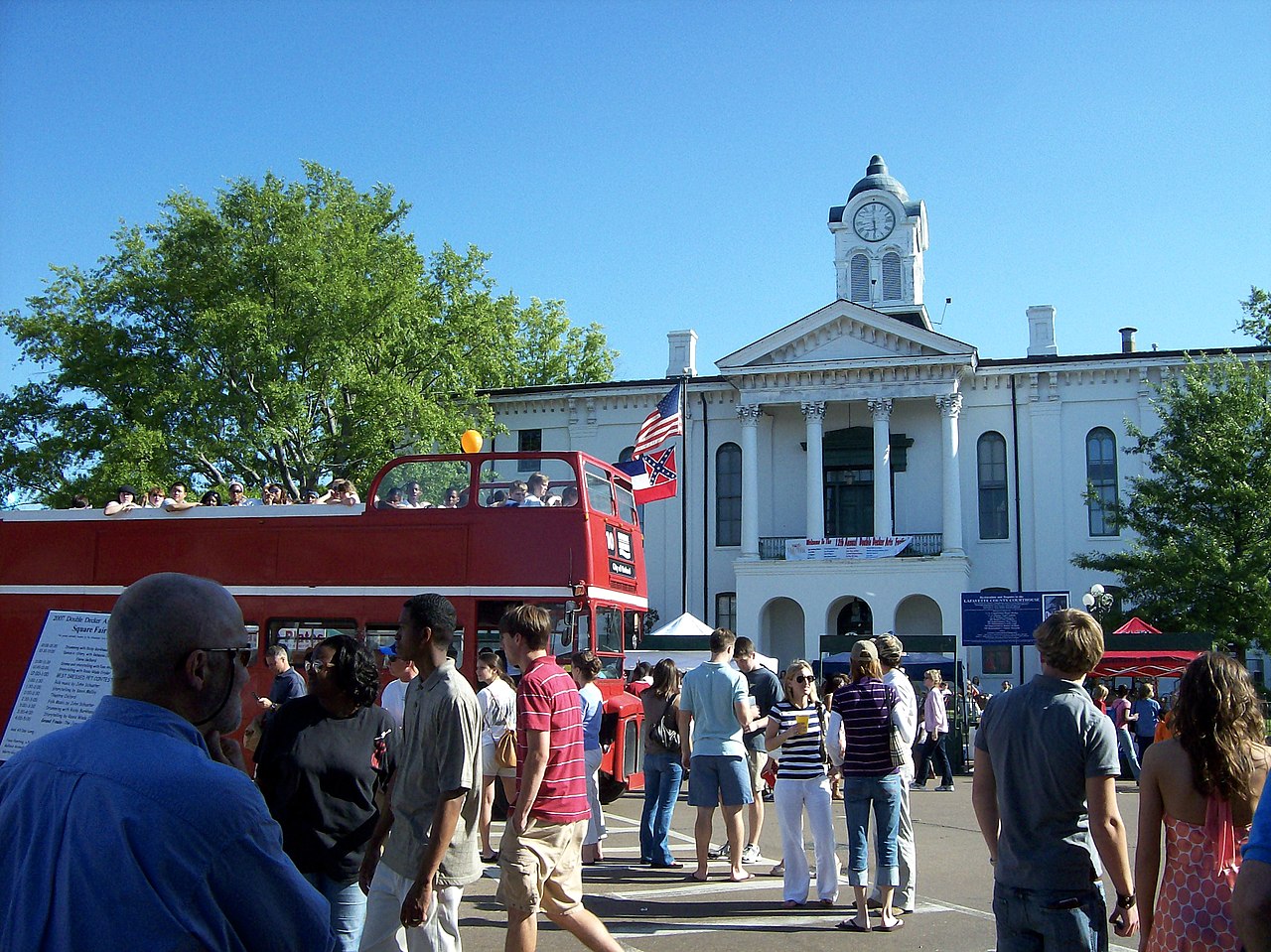
Oxford is the county seat of Lafayette County and a small city in northern Mississippi. Established in 1837 and named after the English university town of Oxford, it is widely recognized as the home of the University of Mississippi, commonly called "Ole Miss." The city combines a traditional Southern town square with the cultural and economic influence of a public research university.
Image gallery
10 Images




History and development
Oxford grew from a 19th-century county seat into a regional center of learning and culture. Its downtown square and courthouse reflect the town-planning patterns of the period. The University of Mississippi was founded in 1848 and has been central to the city’s growth, drawing students, faculty, and visitors. Over time Oxford expanded services, businesses, and neighborhoods around the campus while retaining a distinct small-city character.
Characteristics and institutions
The university shapes much of Oxford’s calendar, economy, and identity. Ole Miss is a flagship public institution and a member of the Southeastern Conference in athletics, which contributes to an energetic sports culture. Key features of the city include historic homes and museums, a lively downtown with restaurants and shops, and green spaces used for community events.
Culture, arts, and attractions
Oxford is known for a strong literary and arts presence. It was home to writer William Faulkner; his residence, Rowan Oak, is preserved as a site of literary interest. The city hosts festivals, music performances, and an arts scene that blends student-driven activity with long-standing local traditions.
Economy, events, and notable facts
- Economy: University-related education and health services, retail, hospitality, and small business form the economic base.
- Events: College sporting events, cultural festivals, and academic conferences attract regional visitors.
- Transportation and climate: Oxford is accessible by regional roads and has a humid subtropical climate typical of the U.S. South.
As the county seat of Lafayette County, Oxford balances its historical roots with an active contemporary life centered on higher education and the arts. Visitors often come for university events, literary sites, dining, and the lively downtown atmosphere.
Related articles
Author
AlegsaOnline.com Oxford, Mississippi: College town, history, and cultural center Leandro Alegsa
URL: https://en.alegsaonline.com/art/73807
Sources
- factfinder.census.gov : "Annual Estimates of the Resident Population: April 1, 2010 to July 1, 2017"