
Osceola, Arkansas
Osceola is a city in northeastern Arkansas's Delta on the Mississippi River; a regional center for agriculture, river trade, and local government in Mississippi County.
Overview
Osceola is a city in northeastern Arkansas, located in the Arkansas Delta region of the state. It serves as a local center for commerce, government and services in Mississippi County and lies near the Mississippi River, which has shaped the town's economy and landscape.
Image gallery
7 Images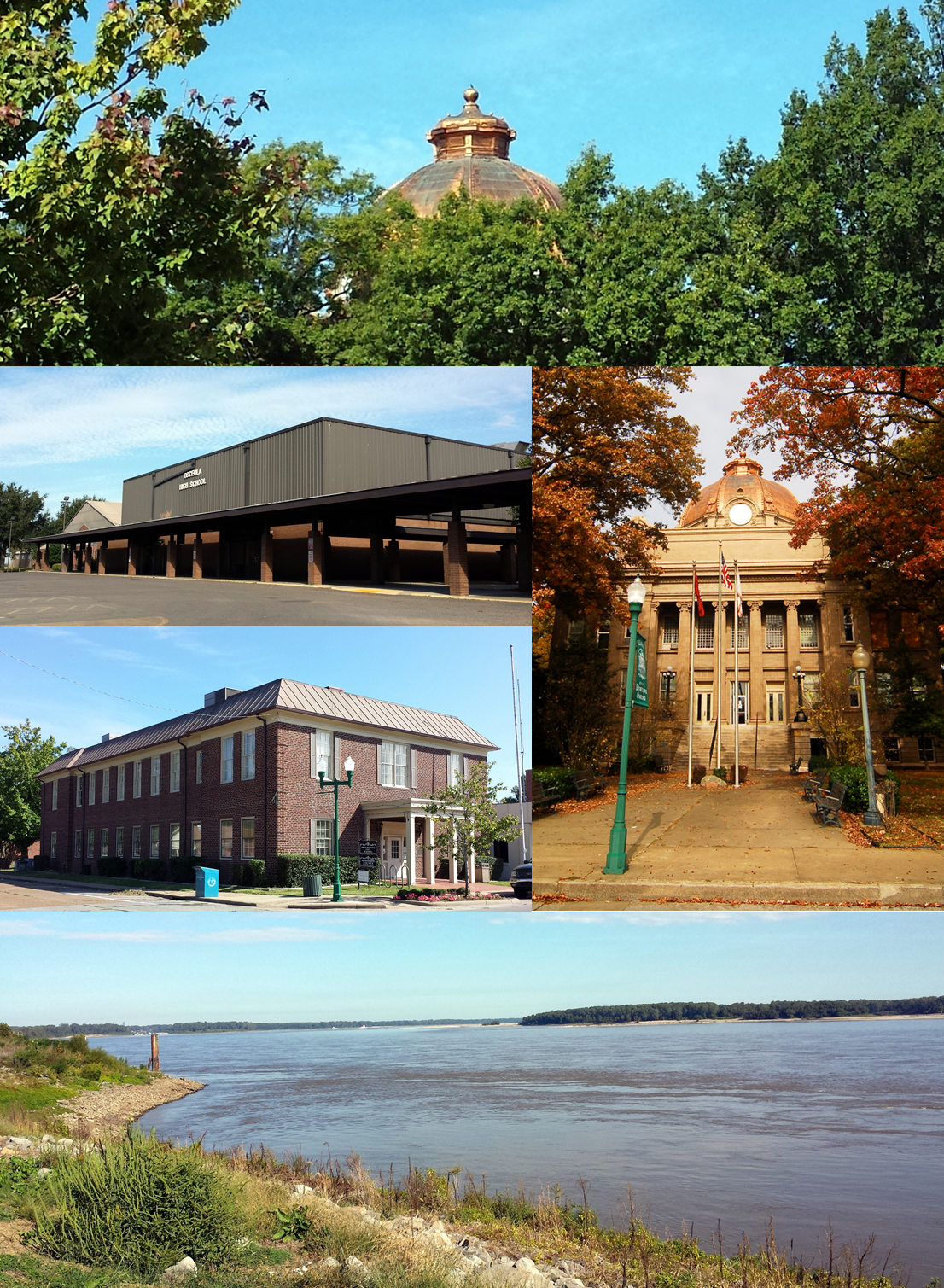


Characteristics and setting
Osceola's built environment combines a historic downtown, riverfront areas and surrounding agricultural land. The city is connected to wider transport networks by road and rail, and its proximity to the river has long influenced local industry, shipping and recreation. The surrounding flat, fertile plains are typical of the Delta and support large-scale crop production.
History and development
Settled in the 19th century, Osceola developed as a river and market town for the surrounding plantation and farm economy. Over time its fortunes have moved from exclusively river-based commerce to a mix of agriculture, light manufacturing and services. Local history reflects broader themes of the Delta: settlement, cotton agriculture, river trade and community resilience through economic change.
Economy, culture and attractions
Agriculture remains a major influence, with row crops and associated agribusiness important to the local economy. The city also supports schools, municipal services and cultural venues that celebrate Delta heritage. Visitors and residents enjoy river-related recreation, local festivals and community museums that interpret regional history and culture.
Notable facts and role
- Part of Arkansas's Mississippi County and the Delta region.
- Historically shaped by proximity to the Mississippi River and by agricultural production.
- Functions as a local seat for government, commerce and community life in the surrounding rural area.
Osceola illustrates a typical small Delta city: closely tied to its river and land, adapting its economy across generations while maintaining community institutions and cultural ties to the Mississippi Delta landscape.
Related articles
Author
AlegsaOnline.com Osceola, Arkansas Leandro Alegsa
URL: https://en.alegsaonline.com/art/73353