
Augusta, Maine — State Capital on the Kennebec River
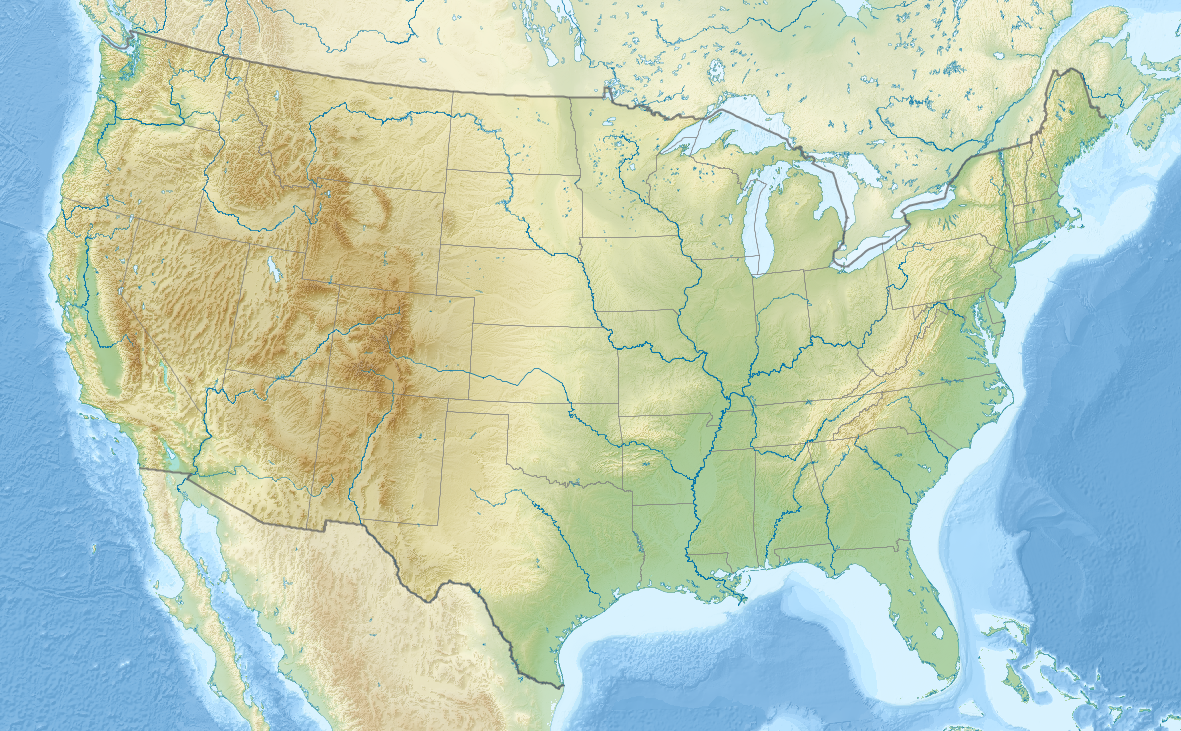
Augusta is the capital of Maine, situated on the Kennebec River. Home to the State House, historic Fort Western, government services and about 18,560 residents, it blends civic, cultural and riverfront life.
Overview
Augusta is the capital city of the U.S. state of Maine and serves as the seat of state government. As of the source figure provided, about 18,560 people live in Augusta. The city functions as a regional center for public administration, courts and services, and it is commonly associated with the Maine State House and other state institutions. The status of capital often shapes Augusta’s economy and built environment more than heavy industry or large commercial centers.
Image gallery
10 Images




Geography and landmarks
Augusta lies along the Kennebec River, which has long influenced settlement, transportation and local recreation. The riverfront and downtown areas host civic buildings, parks and cultural venues. Notable historic sites include Old Fort Western, an 18th-century fortification and trading post that reflects the area’s early colonial history. Other public attractions include the Maine State Museum and community parks that provide river access and walking trails.
History and development
The community grew up at a river crossing and developed through trade, sawmilling and services related to the Kennebec’s role as a transportation corridor. Over time Augusta’s role shifted toward government and administration as state institutions concentrated in the city. Historic neighborhoods and buildings preserve layers of the town’s evolution from a riverside settlement to a modern capital.
Government, economy and culture
As the state capital, Augusta contains the legislative chambers, executive offices and many state agencies, which are major local employers. The economy is therefore dominated by public-sector work, education, healthcare and retail serving residents and visitors. Cultural life includes community events, local museums and seasonal festivals. The city also functions as the county seat for Kennebec County, hosting courts and county services.
Points of interest
- Maine State House and legislative grounds, central to state government.
- Old Fort Western, a preserved 18th-century fort and museum.
- Maine State Museum and riverfront parks offering recreation and interpretive exhibits.
- Historic downtown streets with shops, restaurants and civic landmarks.
Augusta’s identity blends its political role with river-based history and community amenities. Visitors and residents often note the contrast between the formal presence of government buildings and the quieter, small-city atmosphere of surrounding neighborhoods.
For official resources and travel information, readers can consult state and local links, including the city’s pages and visitor guides. The city’s role as capital makes it a focal point for civic life in the state and for people interested in Maine’s history and public institutions.
Tags
Related articles
Author
AlegsaOnline.com Augusta, Maine — State Capital on the Kennebec River Leandro Alegsa
URL: https://en.alegsaonline.com/art/7333