
Orgosolo: Sardinian town known for murals, landscape and pastoral traditions
Orgosolo is a municipality in the Province of Nuoro, central Sardinia, Italy, noted for its wall murals, pastoral economy, mountainous setting and cultural traditions.
Overview
Orgosolo (Italian: Orgòsolo) is a small mountain comune in the Province of Nuoro, on the island of Sardinia, Italy. It covers roughly 222.6 km² and sits at about 620 metres above sea level. The permanent population is modest—around 4,200 people in recent counts—reflecting its rural character and dispersed hamlets.
Image gallery
2 Images
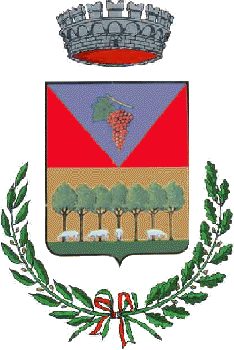
Geography and character
The town lies in central-eastern Sardinia amid a rugged, hilly landscape that blends woods, pastures and rocky outcrops. Its elevated position gives Orgosolo a continental feel compared with coastal Sardinia and has shaped local architecture, agriculture and seasonal rhythms.
History and identity
Orgosolo has deep historical roots in the interior of Sardinia. Over centuries the area developed a reputation for strong local traditions and, at times, social tensions typical of remote pastoral regions. In the 19th and 20th centuries stories of banditry and resistance contributed to a distinctive regional identity; today those histories are part of a broader cultural memory.
Murals and culture
One of Orgosolo's best-known features is its large number of murals painted on exterior walls throughout the town. These works, often political or social in theme, attract visitors and scholars interested in public art and grassroots expression. Local festivals, artisanal crafts and traditional music further underline Orgosolo's cultural vitality.
Economy and activities
The local economy remains largely pastoral and agricultural, with sheep farming and related products important to livelihoods. Hiking, rural tourism and visits to the mural-lined streets contribute to the service sector. Orgosolo is also a gateway for exploring the interior highlands of Sardinia and nearby natural areas.
Notable facts and distinctions
- Administrative status: a comune in the Province of Nuoro.
- Population and area: low-density municipality covering over 200 km².
- Cultural note: internationally recognized for its public murals addressing local and global themes.
Visitors often combine Orgosolo with trips to other interior Sardinian towns to appreciate a side of the island defined by pastoral life, history and vivid public art rather than seaside resorts.
Related articles
Author
AlegsaOnline.com Orgosolo: Sardinian town known for murals, landscape and pastoral traditions Leandro Alegsa
URL: https://en.alegsaonline.com/art/73114
Sources
- istat.it : "Superficie di Comuni Province e Regioni italiane al 9 ottobre 2011"
- demo.istat.it : "Popolazione Residente al 1° Gennaio 2018"
- demo.istat.it : Istituto Nazionale di Statistica - Bilancio demografico al 30/11/2016