
Ontario, California
Ontario, a mid-sized city in San Bernardino County east of Los Angeles, is a logistics and cultural center anchored by Ontario International Airport, retail destinations, and a history of agricultural settlement.

Ontario is a mid-sized city in the Inland Empire region of California, in the United States. It lies roughly 35 miles east of downtown Los Angeles and serves as a commercial and transportation hub for its surrounding suburbs. Situated on a broad valley floor at the western edge of San Bernardino County, Ontario combines residential neighborhoods, industrial zones, and shopping districts.
Image gallery
10 Images


Characteristics
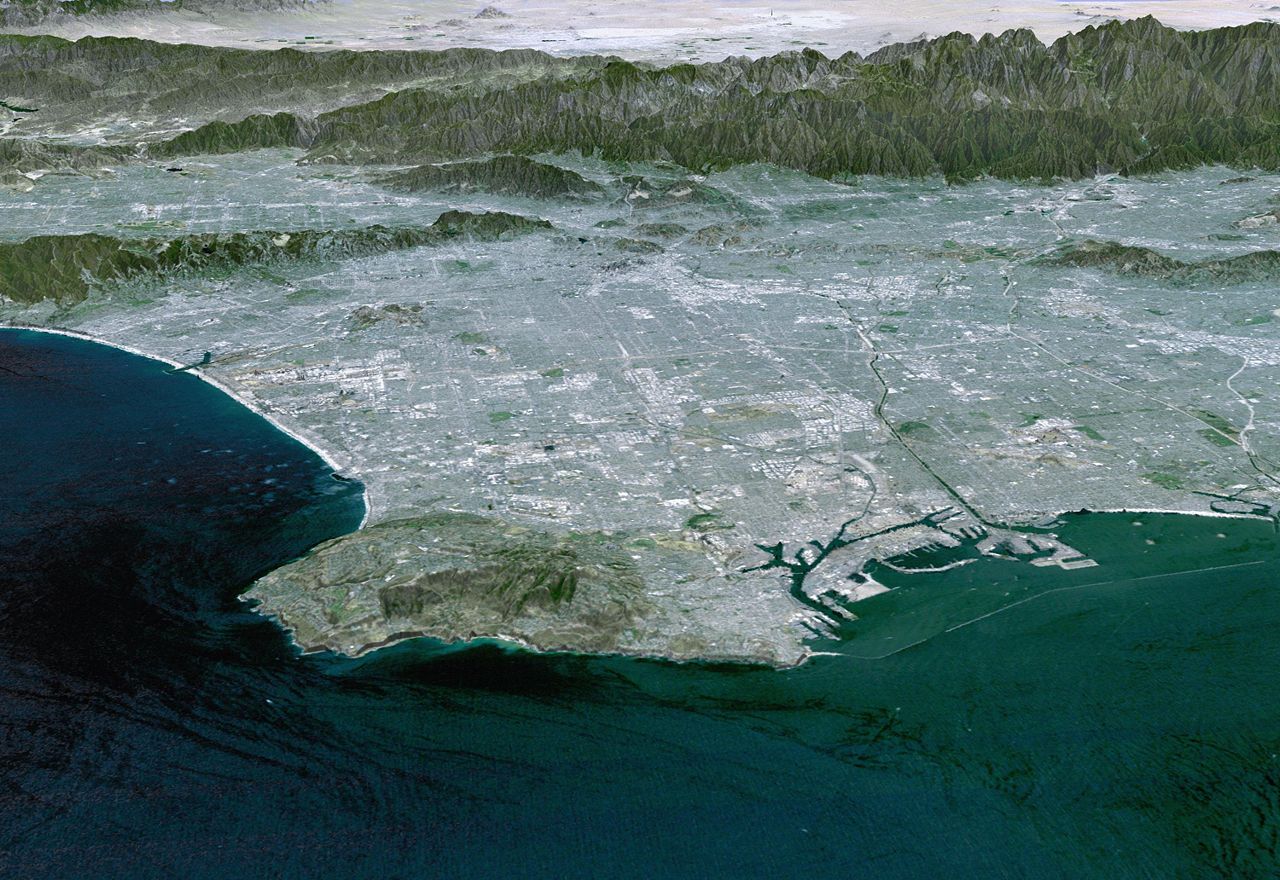
Ontario's landscape is typical of Southern California's inland plain: flat to gently rolling terrain with a warm, dry climate and hot summers. The city contains a mix of older downtown blocks and newer suburban subdivisions. Public amenities include parks, civic buildings, a convention center and museum space. Notable large facilities and destinations help define its urban character.
History and development
The community originated in the late 19th century as an agricultural colony. Early settlers established irrigation and citrus groves that prospered in the region's climate. Over the 20th century the arrival of rail lines, road connections and air services shifted the local economy from farming toward industry, commerce and warehousing. The city's name reflects the influence of early Canadian settlers who named it after their former home region.
Economy and transportation
Ontario is known for transportation and logistics. It is served by a major airport that accommodates passenger travel and significant air cargo operations, and it lies near several interstate highways and rail corridors. Large shopping centers and business parks provide jobs in retail, distribution, manufacturing and professional services.
- Major facilities: airport, convention center, regional mall and distribution centers
- Transit links: interstates, freight rail, and regional bus services
Culture and notable facts
The population is diverse and the city supports community festivals, recreational programs and cultural institutions. Ontario's history as an agricultural settlement and later transformation into a logistics and retail center is representative of broader changes across Southern California. It is often distinguished from the Canadian province with which it shares a name and is recognized regionally for its transportation infrastructure and proximity to mountain recreation areas to the north and east.
Related articles
Author
AlegsaOnline.com Ontario, California Leandro Alegsa
URL: https://en.alegsaonline.com/art/72666