
Onsernone — municipality in Ticino, Switzerland
Onsernone is a mountain municipality in the Locarno district of Ticino, Switzerland, formed by municipal mergers. It covers a rural valley known for traditional villages, hiking and cultural heritage.
Onsernone is a rural municipality in the district of Locarno, within the canton of Ticino in Switzerland. It occupies much of the Onsernone Valley, a mountain valley characterized by steep slopes, small hamlets and a largely dispersed settlement pattern. The area is noted for its natural scenery, traditional stone architecture and a low-density population compared with the plains of Ticino.
Image gallery
10 Images




Geography and settlements
The municipality encompasses several villages and isolated farms set along the valley and its tributary valleys. Core settlements include the original villages of Comologno, Crana and Russo, which formed the first unified municipality. Local roads and trails link these centres to smaller hamlets and mountain pastures. The valley environment supports woodland, meadows and terraces—features that shaped historic land use and local building styles.
History and administrative development
Onsernone in its present administrative form is the result of municipal consolidation. In 1995 the communes of Comologno, Crana and Russo merged to create the initial municipality of Onsernone. Later, on 10 April 2016, additional neighbouring municipalities—Vergeletto, Gresso, Mosogno and Isorno—were incorporated, expanding the municipal boundaries and combining local administrations. These mergers reflect a wider trend in Swiss local government toward consolidation to improve services and fiscal sustainability.
Economy, culture and daily life
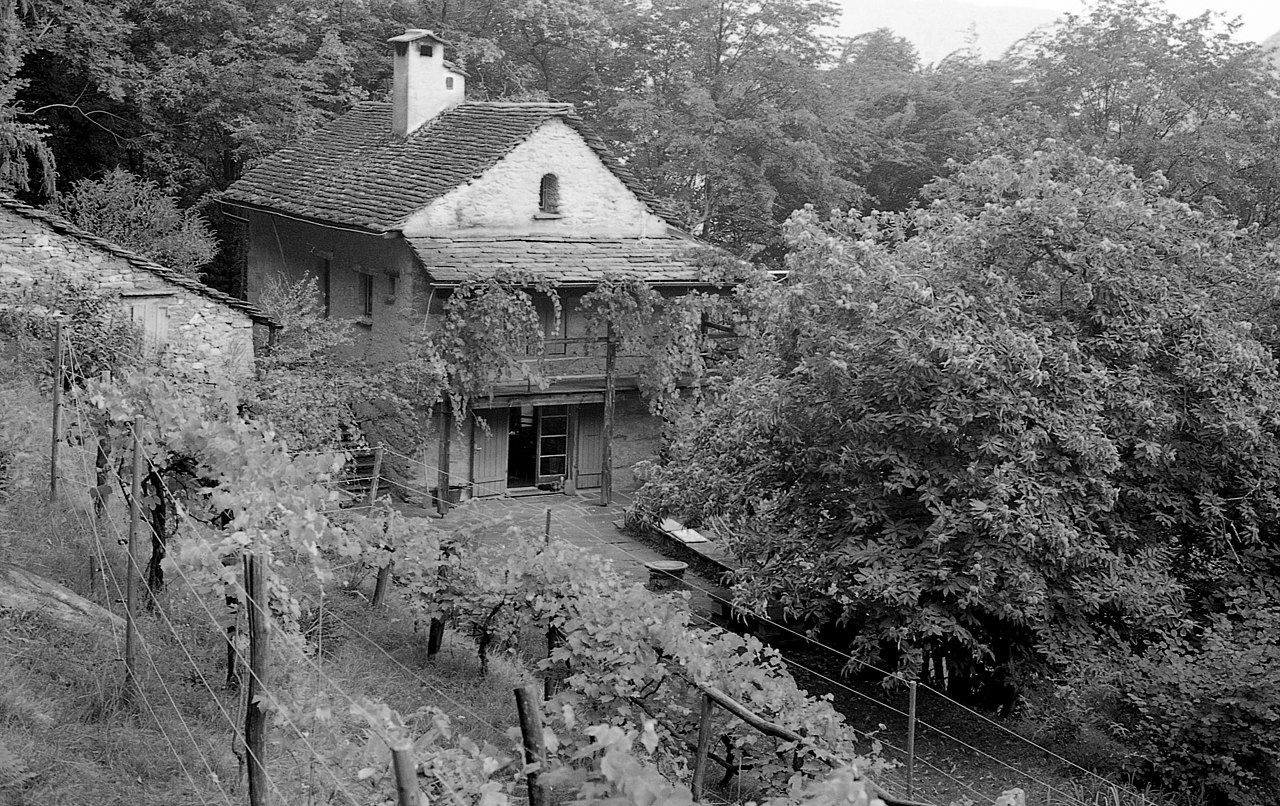
The local economy is traditionally based on small-scale agriculture, forestry and seasonal migration of labour. In recent decades tourism, preservation of cultural heritage and artisanal activities have become more important. Villages in the valley retain many stone houses, chapels and narrow lanes; community life often revolves around local festivals, religious observances and the maintenance of rural traditions. The cultural landscape is valued for its authenticity and is a focus for conservation efforts.
Recreation and accessibility
Onsernone is a destination for hikers, nature enthusiasts and visitors seeking rural Ticinese culture. Trails follow the valley floor and climb to alpine pastures, offering panoramic views and access to quieter hamlets. Public transport links are limited compared with urban areas, so visitors commonly travel by car or use regional bus services combined with walking. Local guides, small guesthouses and seasonal events help support modest visitor services.
Notable aspects and distinctions
- Administrative evolution: formed by sequential municipal mergers in 1995 and 2016.
- Valley identity: shares geographic and cultural traits typical of mountain communities in Ticino.
- Heritage and landscape: preserved stone architecture and traditional land use make it of interest to cultural tourism and conservationists.
For readers seeking official details such as boundaries, population figures or municipal services, consult the municipality's administrative resources or cantonal publications for up-to-date information. Further regional context can be found through links to district and cantonal pages noted above.
Related articles
Author
AlegsaOnline.com Onsernone — municipality in Ticino, Switzerland Leandro Alegsa
URL: https://en.alegsaonline.com/art/72663
Sources
- bfs.admin.ch : "Arealstatistik Standard - Gemeinden nach 4 Hauptbereichen"
- bfs.admin.ch : "Ständige Wohnbevölkerung nach Staatsangehörigkeitskategorie Geschlecht und Gemeinde; Provisorische Jahresergebnisse; 2018"
- bfs.admin.ch : Amtliches Gemeindeverzeichnis der Schweiz