
Ōnin era (1467–1469)
A short Japanese era (nengō) from March 1467 to April 1469 during Emperor Go-Tsuchimikado’s reign, notable for the outbreak of the Ōnin War and the political collapse that led to the Sengoku (Warring States) period.
Overview
The Ōnin era was a Japanese era name (nengō) that ran from March 1467 until April 1469. It succeeded the Bunshō era (Bunshō) and was followed by Bunmei (Bunmei). The reigning emperor was Go-Tsuchimikado. Although short in chronological length, the period is remembered for political turmoil that reshaped Japan’s medieval order.
Image gallery
4 Images

Historical context and causes
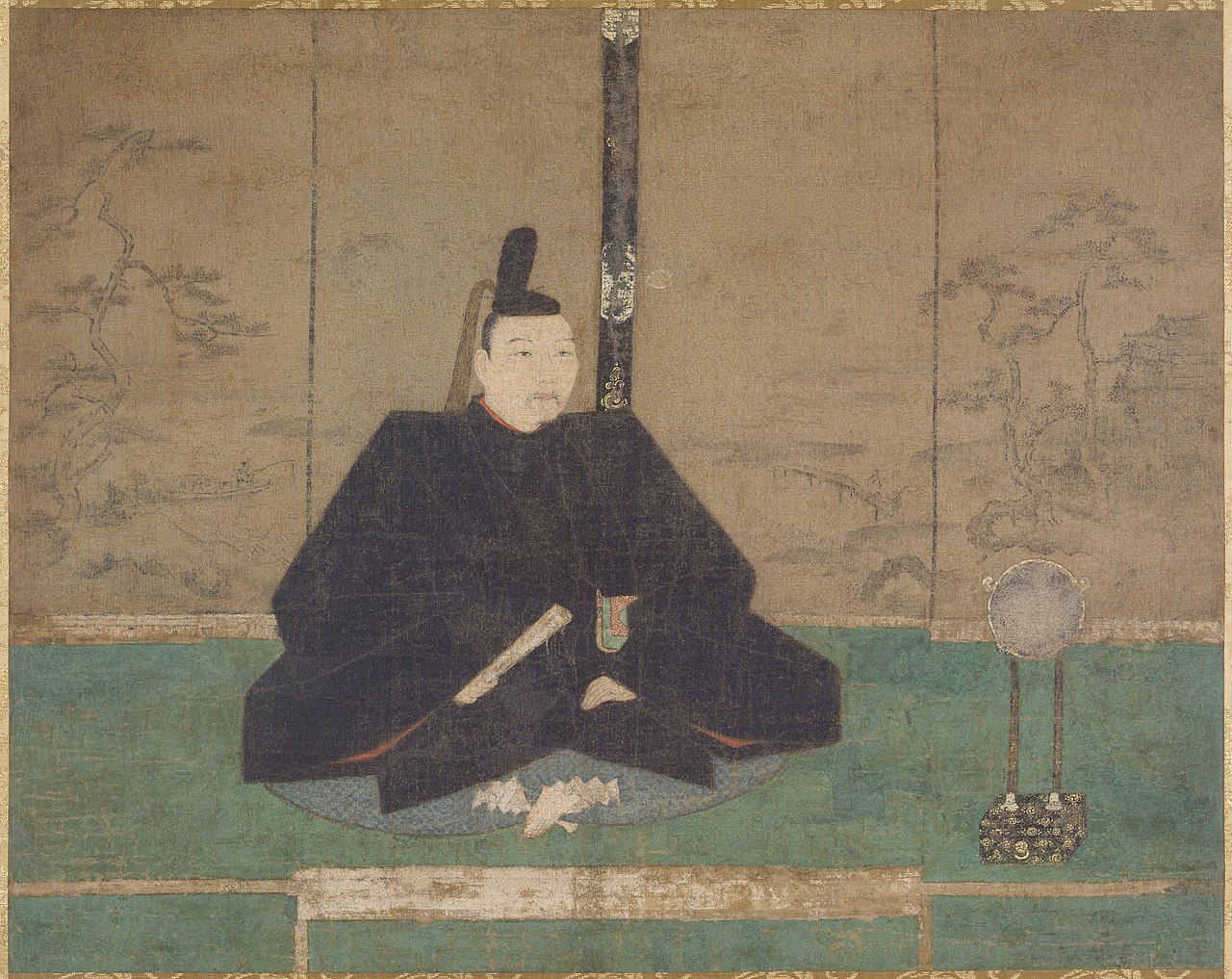
Ōnin began amid a succession dispute in the Ashikaga shogunate. Shogun Ashikaga Yoshimasa’s decision about his heir escalated rivalries among powerful military families. Tensions between Hosokawa Katsumoto and Yamana Sōzen, along with wider factional alignments among samurai and influential retainers, ignited open conflict in 1467.
The Ōnin War and consequences
The Ōnin War, which began in the first year of this era, lasted well beyond it and is conventionally dated 1467–1477. Fighting devastated Kyoto, undermined central authority, and left many regional lords (daimyō) effectively autonomous. The breakdown of Ashikaga control and the fragmentation of power mark the beginning of the Sengoku (Warring States) period, a century of near-constant regional warfare and shifting alliances.
Characteristics and significance
As an era name, Ōnin is notable for lending its title to the conflict that transformed Japan’s political landscape. The practice of using nengō to mark historical periods continued, but the events of Ōnin highlighted the limits of court and shogunal power. Many temples, shrines, and urban districts in Kyoto were burned, and cultural and administrative networks were disrupted.
Key figures
- Emperor Go-Tsuchimikado – the imperial sovereign during the era.
- Ashikaga Yoshimasa – the shogun whose succession dispute helped spark civil war.
- Hosokawa Katsumoto and Yamana Sōzen – rival daimyō leaders whose feud became central to the Ōnin War.
Legacy
The Ōnin era is a short chronological label but a turning point in Japanese history. It marks the collapse of effective centralized rule under the Muromachi (Ashikaga) shogunate and the start of a prolonged period of decentralization and conflict. Historians view the era and the war that began within it as critical in the emergence of later samurai lordship and the eventual reunification efforts of the late 16th century.
Related articles
Author
AlegsaOnline.com Ōnin era (1467–1469) Leandro Alegsa
URL: https://en.alegsaonline.com/art/72640
Sources
- books.google.com : Japan Encyclopedia
- books.google.com : Japan Encyclopedia
- books.google.com : Yoshimasa and the Silver Pavilion: The Creation of the Soul of Japan
- books.google.com : Nipon o dai itsi ran: ou Annales des empereurs du Japon