
Old Dominion University
Old Dominion University is a public research university in Norfolk, Virginia, founded in 1930 as a division of the College of William & Mary. It enrolls roughly 24,000 students and offers undergraduate to doctoral programs.
Overview
Old Dominion University (ODU) is a public research institution in Norfolk, Virginia. Founded in 1930 as the Norfolk Division of the College of William & Mary, the school later became an independent college and eventually a university. Today it serves a diverse student body of roughly 24,000 learners across undergraduate, graduate and professional programs. For official information see the university site: Old Dominion University.
Image gallery
10 Images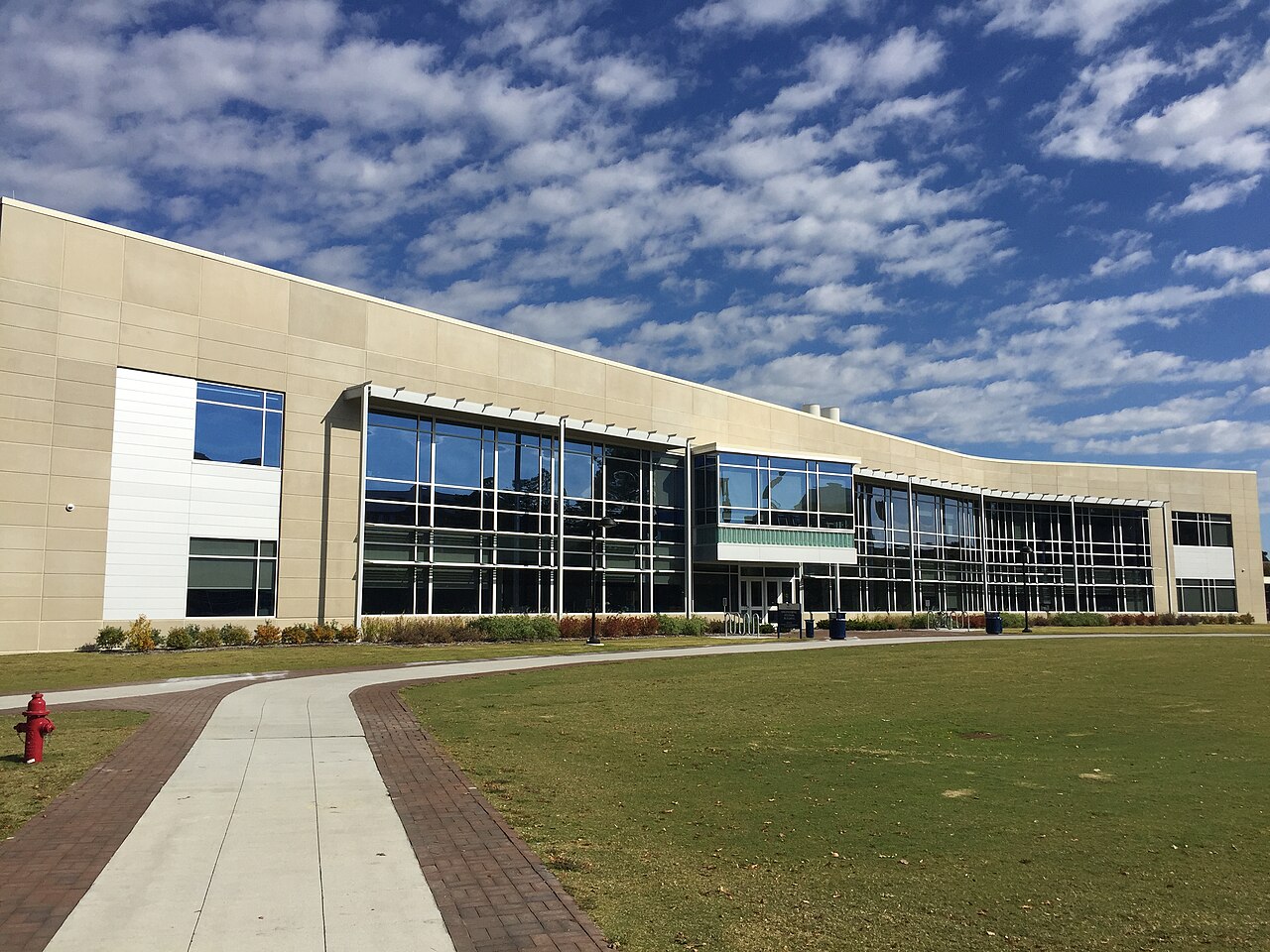


Campus and organization
ODU's campus sits in an urban coastal setting in the Hampton Roads region, close to the Port of Norfolk and several military installations. The university is organized into multiple colleges and schools that cover fields such as arts and humanities, business, education, engineering, health sciences, and public service. Visitors and prospective students can consult campus resources like the campus map and visitor information: Campus information.
History and development
The institution began in 1930 as an extension of the College of William & Mary to serve the educational needs of southeastern Virginia. Over subsequent decades it transitioned to independent college status and later adopted the name Old Dominion University as it expanded degree programs, research activity, and civic engagement. A brief institutional history is available here: History and milestones.
Academics and research
ODU offers a broad range of undergraduate majors, master's degrees, and doctoral programs. The university is known for applied research in areas that reflect its coastal, urban and technological setting, including engineering, modeling and simulation, maritime and coastal studies, and health-related disciplines. Prospective students should review admissions and program pages for details: Academics and admissions.
Student life and community impact
Student life blends academic clubs, campus housing, arts and cultural events, and NCAA Division I athletics (the Monarchs). ODU has longstanding ties to the regional economy of Hampton Roads, including partnerships with military, maritime, and technology sectors, which influence internship and employment opportunities for graduates.
Notable points: the university's coastal location shapes many research priorities; its history begins as a branch campus in 1930; and it serves a large, regionally diverse student population. Links above lead to institutional resources where readers can find updated enrollment figures, leadership information, and program specifics.
Related articles
Author
AlegsaOnline.com Old Dominion University Leandro Alegsa
URL: https://en.alegsaonline.com/art/72271
Sources
- odu.edu : ODU Unveils New Tagline
- nacubo.org : nacubo.org
- odu.edu : "University Facts and Figures"
- odu.edu : "Official ODU Logos - Postscript (.ps, .eps) file format and tutorial"
- washingtonmonthly.com : "Quid Pro Quo at Old Dominion"
- wavy.com : "Former Delegate indicted for bribery"
- www2.timesdispatch.com : "Jury finds Hamilton guilty of bribery, extortion"
- www2.timesdispatch.com : "Ex-ODU president denies ordering job for Hamilton"