
Acid rock: origins, sound, and cultural influence
Acid rock is a 1960s rock substyle associated with psychedelic culture, heavy guitar effects, extended improvisation and lyrical imagery linked to altered states.
Acid rock is a label applied to a strand of rock music that emerged in the mid-1960s, closely tied to the era's psychedelic culture. It emphasizes loud, distorted guitars, extended instrumental passages and studio or live effects intended to evoke or complement altered states of consciousness. The term is often used alongside psychedelic rock, though writers and fans sometimes distinguish acid rock by its heavier, more abrasive sonic profile.
Image gallery
4 Images
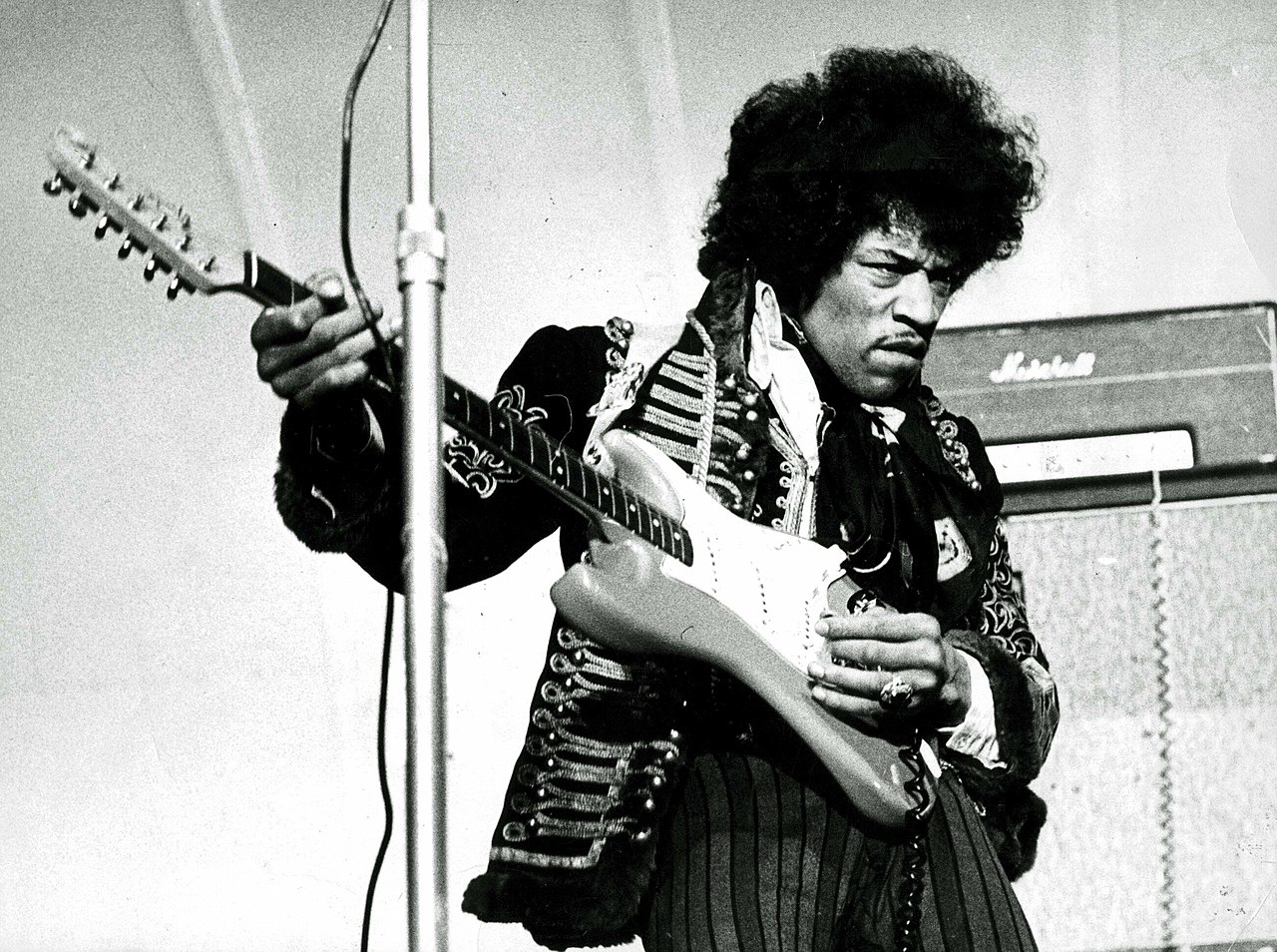


Musical characteristics
Typical features include amplified distortion and feedback, prominent electric guitar solos, use of effects such as wah-wah and phasing, and exploratory improvisation. Songs may employ nonstandard studio techniques — tape loops, reversed tracks, reverb and stereo panning — to create unusual textures. Lyrics frequently contain vivid, surreal imagery or references to mind-expanding experiences, but not every acid-rock song is explicitly about drugs.
History and context
The style developed alongside the 1960s counterculture in cities such as San Francisco, London and Los Angeles. It grew out of blues-rock and garage bands who expanded song structures and experimented with tone and form. Acid rock was part of a wider movement that included folk, pop and jazz influences, and it was both a product of and an influence on social and artistic experimentation of the period.
Uses and legacy
Acid rock's emphasis on heaviness and improvisation helped shape later genres such as hard rock, heavy metal and various stoner and psychedelic revival scenes. Its live performance focus encouraged long jams and festival performances, while studio innovations left a lasting mark on recording practice.
Notable traits and distinctions
- Sound: heavier than many contemporaneous pop-psychedelic records.
- Technique: extended solos, feedback, and studio effects.
- Cultural role: associated with 1960s counterculture and experimentation.
Although the label 'acid rock' is sometimes imprecise and has been applied unevenly, it remains a useful way to describe the louder, more experimental edge of 1960s psychedelic music and its continuing influence on rock styles that followed.
Tags
Related articles
Author
AlegsaOnline.com Acid rock: origins, sound, and cultural influence Leandro Alegsa
URL: https://en.alegsaonline.com/art/720