
Observation deck — elevated viewing platforms
An observation deck is an elevated platform built to provide wide views of the surrounding landscape or cityscape. Found on towers, tall buildings, hills and mountains, they serve tourism, study, and public enjoyment.
Overview
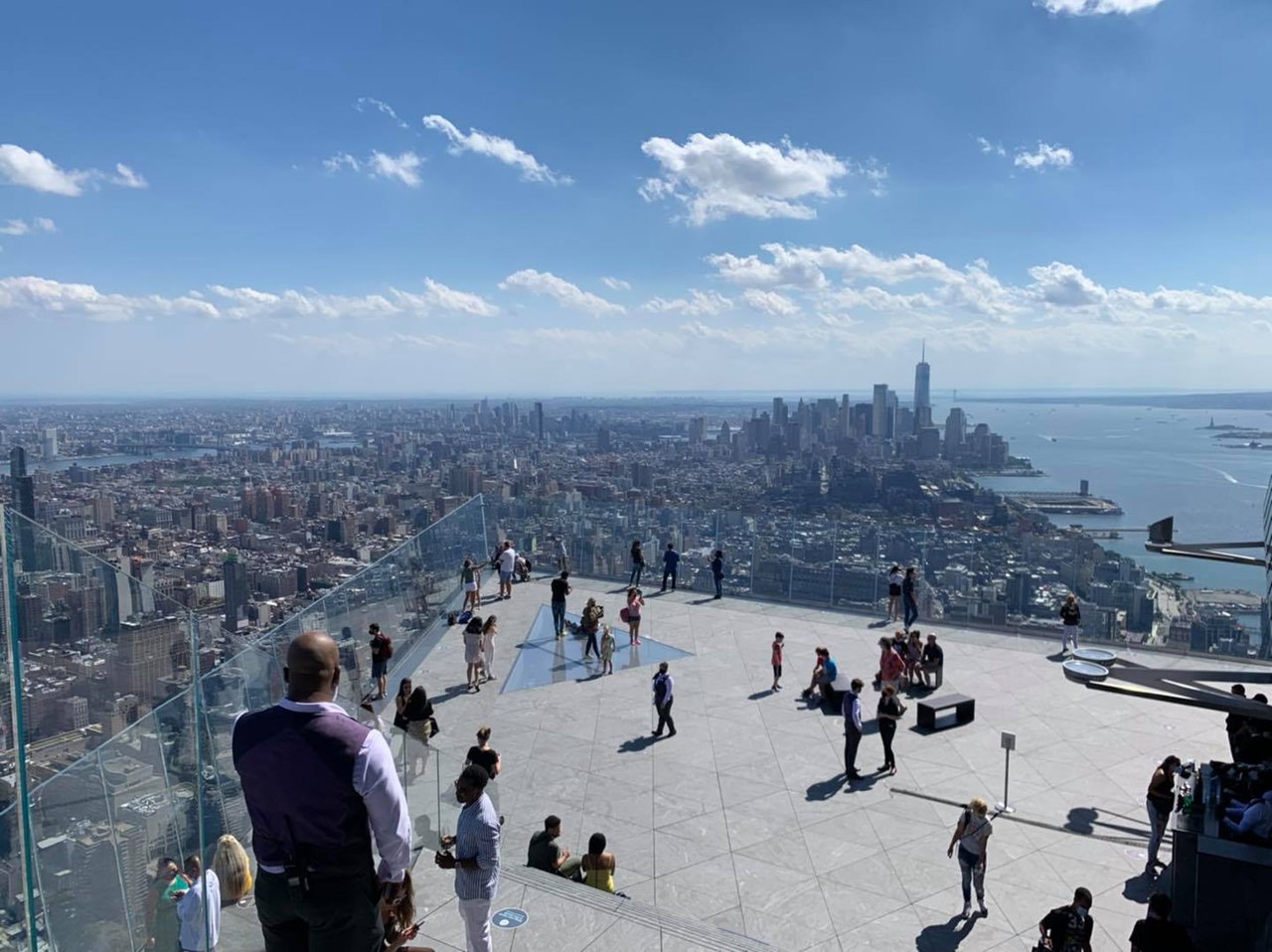
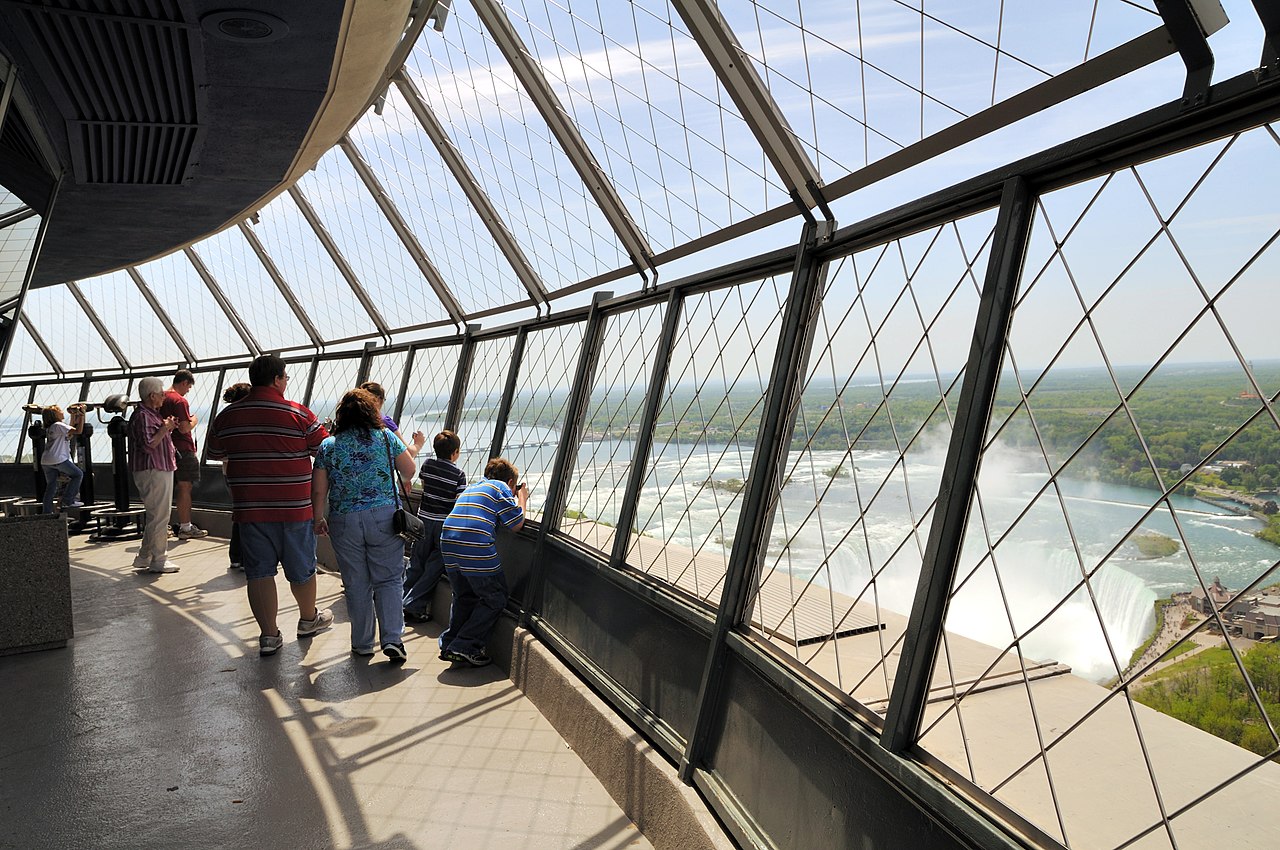
An observation deck is a purpose-built elevated area where people can look out over a landscape, city or seascape. These platforms appear in many settings: atop skyscrapers and towers, on hilltops and mountain sites, or integrated into public parks and bridges. Observation decks may be open-air or enclosed, permanent or seasonal, and are often designed to maximize panoramic sightlines while ensuring visitor safety. They are commonly sited on buildings and on natural high points such as mountains.
Image gallery
10 Images


Design and common features
Design varies widely depending on location, climate and purpose. Common elements include protective railings or glass balustrades, binoculars or telescopes, information panels that identify landmarks, and seating or sheltered areas. Some decks incorporate:
- Glass floors or transparent sections to enhance the thrill of height;
- Enclosures with climate control for year-round use;
- Interpretive signage explaining geology, history or city planning;
- Accessibility features such as elevators, ramps and tactile guides.
History and development
The impulse to gain high vantage points is ancient: natural promontories, watchtowers and castle battlements served lookout functions for centuries. With modern engineering and mass tourism, rooftop and tower decks emerged as recreational attractions in the 19th and 20th centuries. Advances in materials, elevator technology and safety codes have allowed observation decks to be placed ever higher, and to accommodate larger numbers of visitors.
Uses, examples and importance
Observation decks serve multiple roles: they are tourist attractions, educational sites, and practical aids for orientation and monitoring. They can be part of urban identity and skyline tourism. Well-known examples include historic tower platforms and modern high-rise decks that offer city panoramas. In addition to sightseeing, decks are used for photography, birdwatching, skyline interpretation and sometimes scientific observation of weather or air quality.
Access, safety and distinctions
Access is usually controlled by entry fees, timed tickets or capacity limits; weather can force temporary closures. Safety measures—guardrails, wind load design, earthquake-resistant connections and staff presence—are standard. An observation deck differs from a simple viewpoint or picnic overlook by being a constructed, often permanent platform designed specifically for viewing, and from a restaurant or office by its primary purpose of providing visual access to the surroundings.
Related articles
Author
AlegsaOnline.com Observation deck — elevated viewing platforms Leandro Alegsa
URL: https://en.alegsaonline.com/art/71795