
Uniform number (team sports)
A uniform number is the numeric identifier shown on a player's kit. It aids identification by officials, scorers, and spectators and has practical, regulatory and cultural roles across many sports.
A uniform number—also called a jersey number, squad number, shirt number or sweater number—is the numeric identifier printed or stitched on a player's kit in team sports. Its primary purpose is practical: to distinguish one player from another so referees, scorers, commentators and fans can identify participants during play and in records. Numbers are used in live officiating, match reports, statistical databases and merchandising, and they often appear in combination with the player's surname.
Image gallery
10 Images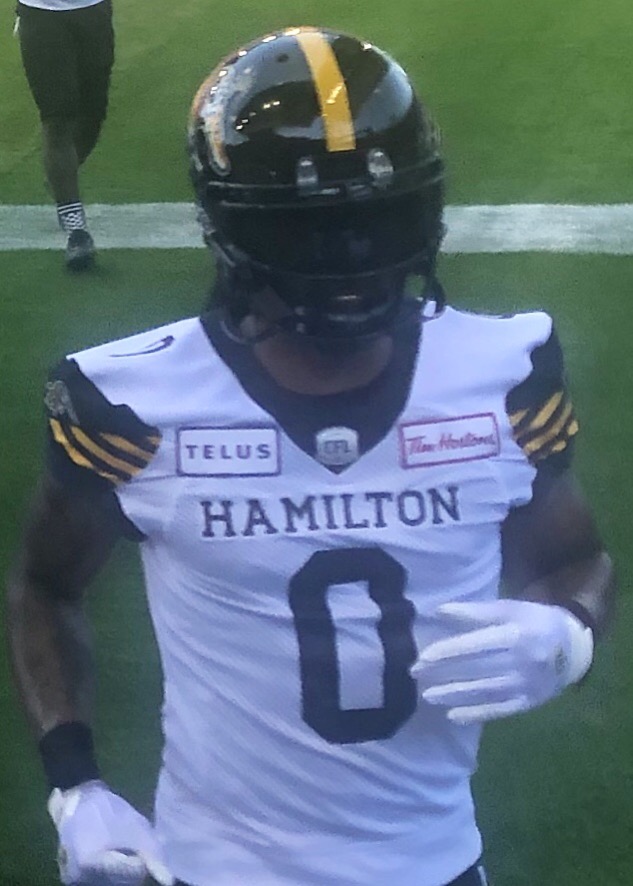





Characteristics and common placements
Most teams display the number prominently on the back of the shirt. It is common for the surname to be placed above or below this number. Additional locations include the front of the shirt, sleeves, shorts and occasionally on headgear or socks, depending on the sport and the governing rules. The size, font and color of numbers are often specified by competition regulations to ensure visibility and contrast.
- Back of the jersey: primary location in many sports.
- Front of the jersey or breast: used for easy identification in photographs and broadcasts.
- Sleeves, shorts, or headgear: supplementary placements in cramped kits or when mandated.
For further examples of placement standards see official guidance and competition rulebooks.
History and development
Numbering players began in the early 20th century as team sports professionalized and mass audiences grew. Early systems often assigned numbers according to playing positions, a practice still visible in some codes. Over time many leagues switched to squad numbering—where a player keeps the same number throughout a season or career—allowing for personal branding and merchandising. The practice of retiring a number to honor a particularly influential player emerged as a cultural tribute in several sports.
Uses, significance and examples
Beyond simple identification, numbers carry cultural and commercial significance. Certain numbers have become associated with specific roles (for example a playmaking role in some sports) or with star athletes; such associations increase the number's symbolic value and its appeal for replica shirts. Numbers also play a role in statistical systems, substitution protocols and disciplinary records. Teams and competitions often publish numbering conventions for matchday squads and squads registered for a season—see competition notes and squad lists for details via official sources.
Variations and regulations
- Association football: historically used 1–11 for starting positions; modern squads use fixed numbers across a season.
- Basketball: numbers may be restricted by refereeing signals in some jurisdictions and leagues.
- Baseball and hockey: numbers are integral to identity and typically appear on both front and back.
- Rugby and other field codes: numbering often reflects position but squad numbering is increasingly common.
Specific allowed ranges, font sizes and placement rules are set by sport federations and competitions; consult the relevant authority for precise requirements and exceptions, or see competition documentation at regulatory references. Numbering remains a simple yet powerful convention that supports administration, storytelling and fan engagement in team sports.
Related articles
Author
AlegsaOnline.com Uniform number (team sports) Leandro Alegsa
URL: https://en.alegsaonline.com/art/71427