
Attica Correctional Facility
State prison in Attica, New York, known for its maximum-security role and the 1971 inmate uprising that shaped U.S. prison reform and criminal justice debates.
Attica Correctional Facility is a state prison located in Attica, New York, operated by the New York State Department of Corrections and Community Supervision. The facility houses adult male inmates and has been known as one of the state's higher-security institutions. For basic location and facility information see Attica Correctional Facility.
Image gallery
1 Image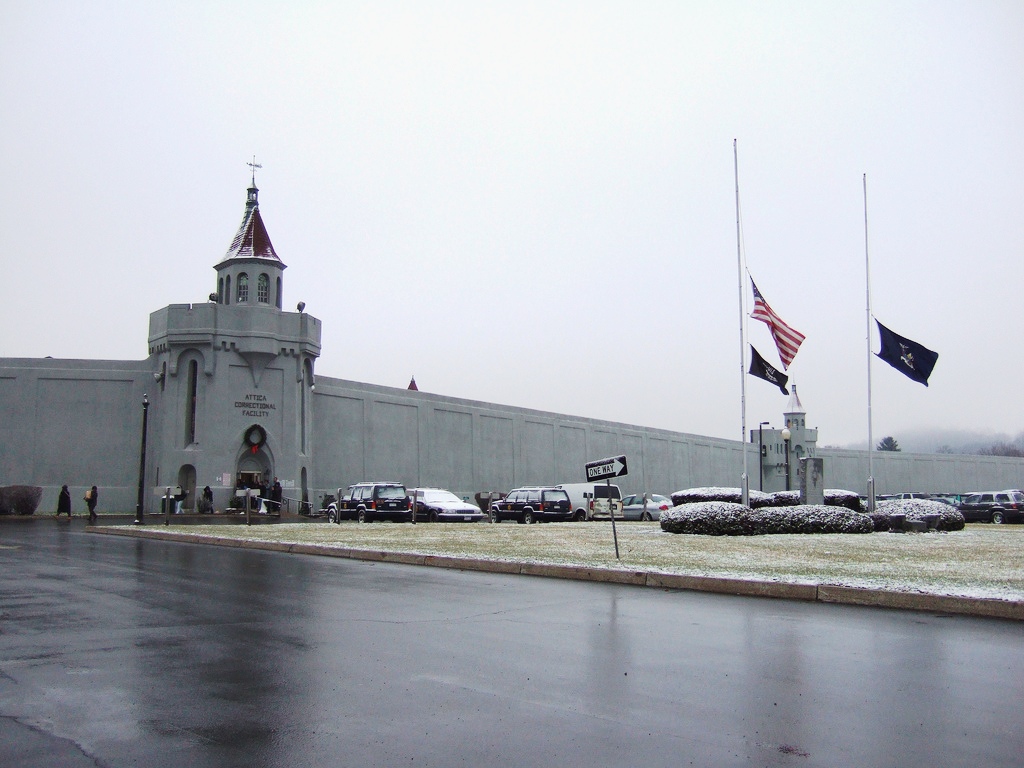
Characteristics and operations
The prison functions as a long-term incarceration site with secure housing units, perimeter controls and programs intended to manage custody, health care and limited educational or work opportunities. As with many larger state prisons, administration balances security, inmate services and oversight by state authorities. The site has been described in official records as part of New York's network of correctional institutions.
1971 uprising
Attica is best known for a major prisoner uprising that occurred in September 1971. Inmates seized control of parts of the facility to protest living conditions, medical care, racial discrimination and the treatment of prisoners. The standoff ended when state police and other law enforcement retook the prison; dozens of people, including both inmates and hostages, died and many more were wounded. The event prompted wide public attention, investigations and legal proceedings.
Aftermath and influence
The uprising at Attica led to a prolonged debate about prison conditions, oversight, and the rights of incarcerated people. It produced policy reviews, some reforms in correctional practice, and numerous lawsuits and settlements. The incident remains a reference point in discussions about use of force, prisoner grievances and efforts to improve prison health and safety standards.
Notable facts and legacy
- Common inmate demands at the time included improved health care, legal access, better living conditions and fair disciplinary procedures.
- The retaking and its casualties spurred investigations and continuing public interest in prison reform.
- Attica remains an operational facility and a subject of historical study, journalism and cultural works addressing criminal justice.
Because of its historical significance, Attica continues to appear in scholarly and public conversations about incarceration, civil rights and the responsibilities of governments to those in custody.
Related articles
Author
AlegsaOnline.com Attica Correctional Facility Leandro Alegsa
URL: https://en.alegsaonline.com/art/7106
Sources
- nationalreview.com : "The Truth about Attica by an Inmate"