
North Central Timor Regency (Kabupaten Timor Tengah Utara)
Regency on Timor island in Indonesia's East Nusa Tenggara province. Covers geography, administration, history, economy, culture and development challenges of North Central Timor Regency.
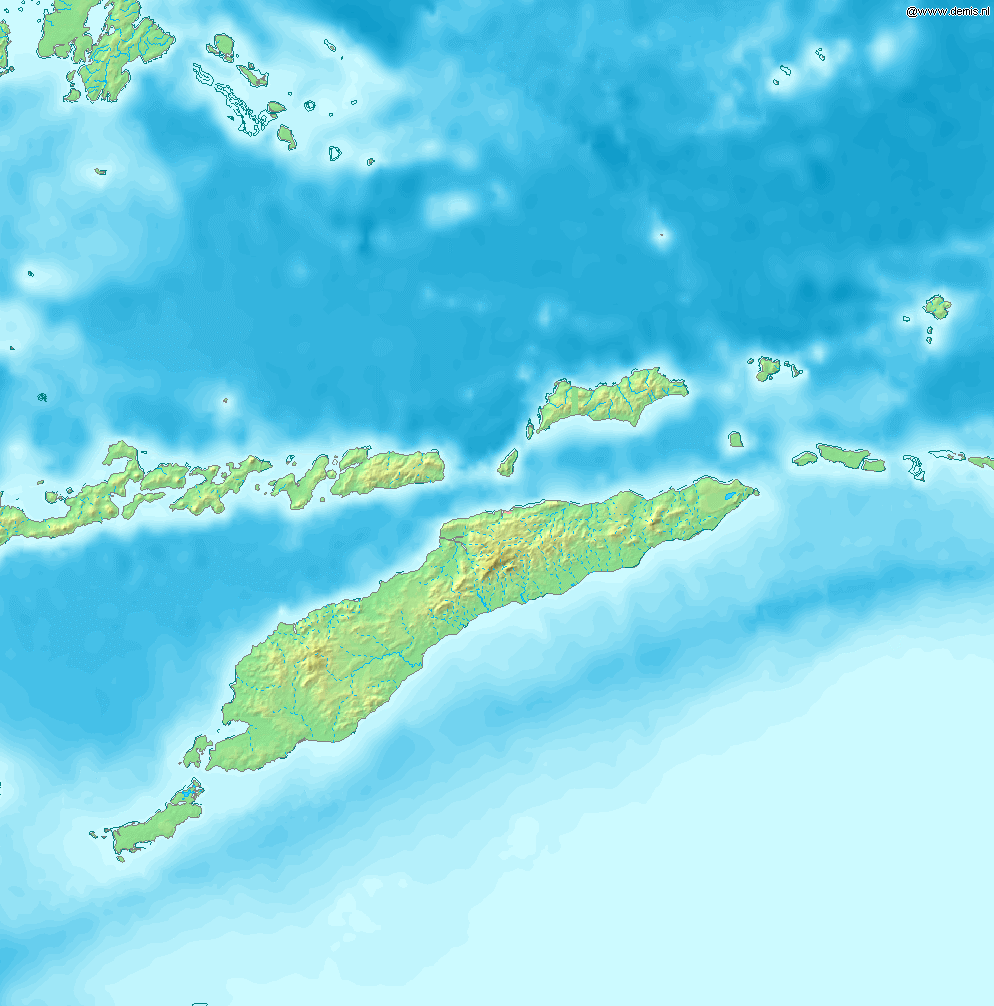
North Central Timor Regency is an administrative regency on the island of Timor in eastern Indonesia. It occupies a central-northern portion of the island within the province of East Nusa Tenggara. The regency is known in Indonesian as a regency (Indonesian: Kabupaten) and forms part of the national system of local government. Its administrative centre is the town of Kefamenanu, which functions as the main hub for commerce, services and local government.
Image gallery
6 Images



Geography and administration
The landscape combines dry lowlands, river valleys and rolling hills, with a climate that ranges from semi-arid in some inland areas to more humid zones nearer the coasts. The regency is subdivided into multiple districts (kecamatan) that group villages and towns for local administration. Road connections link the capital to neighbouring regencies and to larger regional centres in the province.
History and development
The area shares the island's complex colonial and post‑colonial history. Like much of western Timor, it was influenced by the interplay of indigenous polities and later by Dutch colonial administration. After Indonesian independence, the administrative structure evolved into the present regency system as part of national decentralisation policies. Local identity reflects a mix of indigenous traditions and adaptations to modern governance.
Economy, society and culture
Local livelihoods are largely based on agriculture and livestock keeping. Farmers cultivate crops suited to the seasonal climate, and small markets in Kefamenanu and other towns support trade in agricultural produce, household goods and handicrafts. The population includes several Timorese ethnic groups with distinct languages, customary practices and communal events that shape everyday life.
Importance, attractions and challenges
- Strategic location: serves as a regional centre connecting interior communities to provincial routes.
- Local culture: traditional ceremonies, textiles and markets contribute to cultural vitality and tourism potential.
- Development challenges: infrastructure improvement, water management and rural economic diversification are common priorities.
Visitors and researchers often note the region's resilient communities and the role of local government in balancing conservation, economic needs and cultural continuity. For further administrative details and official information, regional government sources provide up-to-date data and contacts.
Related articles
Author
AlegsaOnline.com North Central Timor Regency (Kabupaten Timor Tengah Utara) Leandro Alegsa
URL: https://en.alegsaonline.com/art/70850