
Norbert Blüm: German politician and social minister (1935–2020)
Biography of Norbert Blüm, longtime CDU politician, Bundestag member and federal minister for labour and social affairs, known for the phrase "Die Rente ist sicher" and his advocacy of the welfare state.
Norbert Blüm was a prominent German politician of the Christian Democratic Union (CDU) who shaped social policy debates in West Germany and reunified Germany for decades. Born on 21 July 1935 in Rüsselsheim am Main, he served in the Bundestag across several terms and became widely identified with pension policy and defence of the social safety net. His public reassurance that "Die Rente ist sicher" ('the pension is safe') became one of the better-known political slogans of the era.
Image gallery
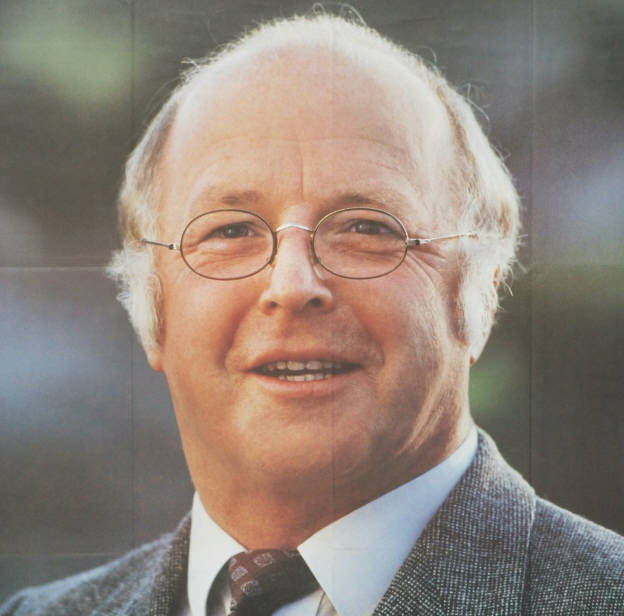
4 Images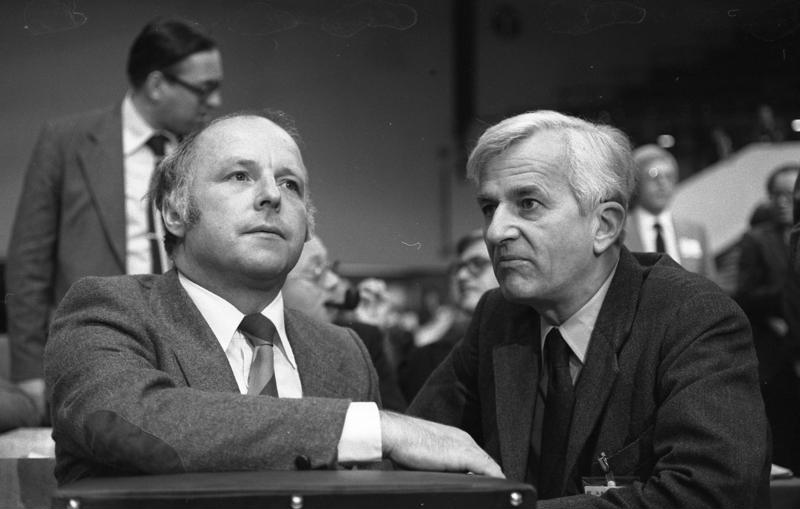


Political career and offices
Blüm's parliamentary career included two long periods as a federal legislator: from 1972 to 1981 and again from 1983 until 2002. He rose within party ranks to become chairman of the CDU in North Rhine-Westphalia (1987–1999). Nationally he is best remembered for his tenure as federal minister of labour and social affairs from 1982 to 1988 in the cabinet of Chancellor Helmut Kohl, where he led debates on pensions, social insurance and labour-market issues. He also held other party and parliamentary responsibilities during his career.
Positions, policies and public image
As minister, Blüm argued for the continuity and reliability of the statutory pension system at a time of demographic and fiscal pressure. The catchphrase "Die Rente ist sicher" was intended to reassure citizens that the state commitment to pensions would be maintained. He combined conservative Christian values with a recognizable social conscience, frequently defending wage earners, pensioners and social programs. This posture sometimes put him at odds with both market-oriented reformers and critics on the left.
Roles and notable facts
- Member of the Bundestag across multiple legislatures, participating in social and labour committees.
- Federal minister of labour and social affairs (1982–1988), shaping pension and welfare debates.
- Chairman of the CDU in North Rhine-Westphalia (1987–1999), a key regional post for Germany's largest state party organisation.
- Remembered for public communication about pensions and for engaging in public debate well after leaving ministerial office.
Later life and death
In later years Blüm remained an active public commentator and author on social questions. He experienced serious health problems after a sepsis in 2019 that left him partially paralysed, and he died on 23 April 2020 in Bonn at the age of 84. His death prompted reflection in Germany on the role of social policy in modern democracies and on the balance between fiscal constraints and social solidarity.
For further background on German social policy, regional party politics and the historical context of Blüm's career, see links on parliamentary history and regional CDU structures: federal legislature, party organisations and regional biographies available through the Bundestag and state archives. Additional resources include contemporary commentaries and Blüm's own writings and speeches that illustrate why his name remains associated with pension security in public memory: historical context and political profile.
Related articles
Author
AlegsaOnline.com Norbert Blüm: German politician and social minister (1935–2020) Leandro Alegsa
URL: https://en.alegsaonline.com/art/70653
Sources
- general-anzeiger-bonn.de : "Ein Großer der Bonner Republik"
- zeit.de : "Norbert Blüm ist gestorben"
- sueddeutsche.de : "Früherer Arbeitsminister Norbert Blüm gestorben"
- spiegel.de : "Norbert Blüm gestorben"
- dw.com : "Germany's ex-Labor Minister Norbert Blüm dies | DW | 24.04.2020"
- spiegel.de : "Norbert Blüm nach Blutvergiftung von Schultern abwärts gelähmt"
- tagesschau.de : "Norbert Blüm gestorben"