
Nora — historic town in Örebro County, Sweden
Nora is a small historic town in central Sweden, seat of Nora Municipality. Known for a well‑preserved wooden town center, heritage railway, and its roots in the Bergslagen mining region.
Nora is a small town in central Sweden and the administrative center of Nora Municipality. It lies within Örebro County and is part of the broader cultural and economic area around Örebro. The town functions today as a local service hub and a destination for cultural and heritage tourism.
Image gallery
3 Images
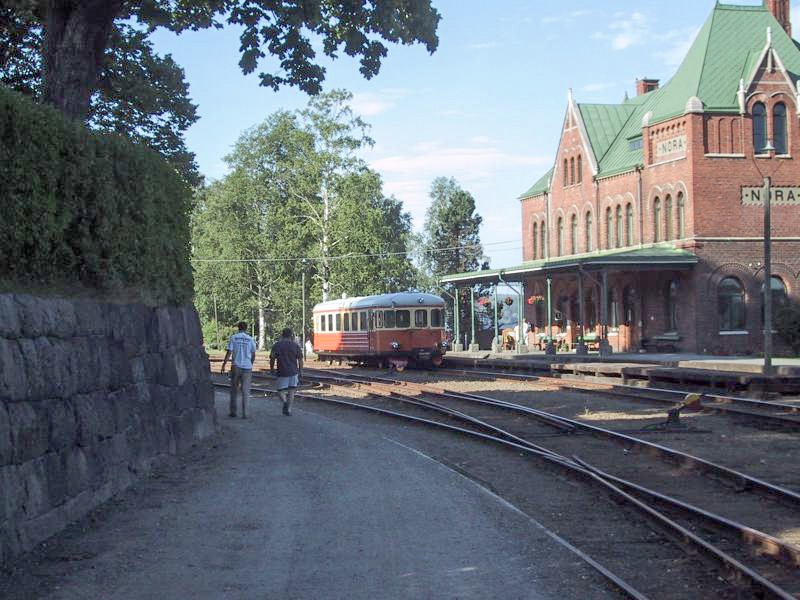

Character and built environment
Nora is widely appreciated for its compact, historic center where wooden buildings, narrow streets and traditional facades form a distinctive townscape. Many houses and public buildings reflect styles common to the 18th and 19th centuries, kept in good condition through local preservation efforts. The atmosphere is often described as a well‑maintained example of a small Swedish wooden town.
History and development
The town grew as a regional market and service center connected to the mining and metalworking districts of Bergslagen. Over time Nora developed local commerce, crafts and trade to serve surrounding rural communities. Industrial change in the 20th century reduced heavy industry, increasing the town's emphasis on conservation and tourism.
Attractions and cultural life
Visitors come for the townscape, museums and seasonal events. A notable feature is the heritage narrow‑gauge steam railway and associated museum operations that celebrate local railway history. Small museums, craft shops and cafés add to the visitor experience, and the town hosts festivals and markets during the warmer months.
Economy and transport
Nora's economy combines municipal services, small industry, retail and tourism. It is accessible by regional roads and local transport links to larger urban centers in Örebro and beyond. The town acts as a local administrative and cultural node for surrounding villages and countryside.
Distinctions and practical information
- Administrative seat of Nora Municipality.
- Located in Örebro County, in central Sweden.
- Known for historic wooden architecture and a heritage railway.
For visitors and researchers the town offers a concentrated example of Sweden's small‑town heritage: preserved architecture, local museums and interpretive resources that highlight the area's historical ties to regional mining and trade.
Related articles
Author
AlegsaOnline.com Nora — historic town in Örebro County, Sweden Leandro Alegsa
URL: https://en.alegsaonline.com/art/70647