
Norfolk Broads — rivers, lakes and protected wetlands of East England
A network of navigable rivers and shallow lakes across Norfolk and Suffolk, the Broads is a unique wetland landscape, important for wildlife, recreation and managed conservation under a special 1988 Act.
Overview
The Broads are an interconnected system of largely navigable rivers and shallow lakes in the English counties of Norfolk and Suffolk. Covering an area of roughly 303 square kilometres, the Broads include over 200 kilometres of marked waterways, a handful of principal rivers and dozens of broad, shallow lakes known locally as "broads." The name is commonly shortened to the Norfolk Broads even though parts lie in Suffolk.
Image gallery
10 Images



Characteristics
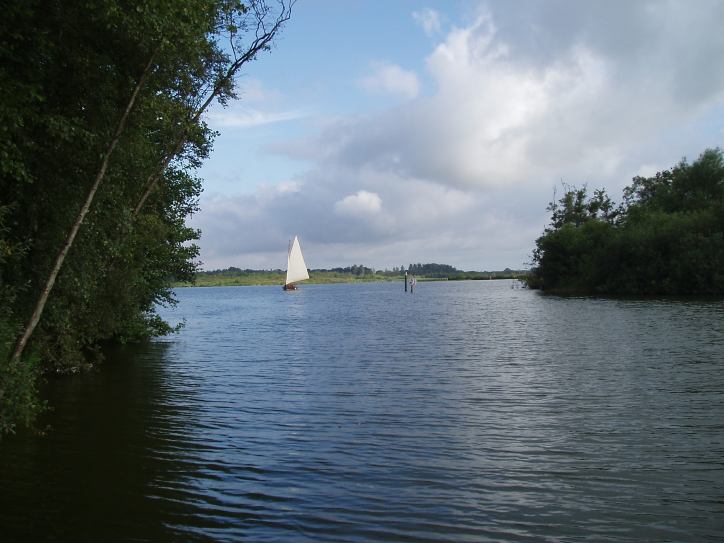
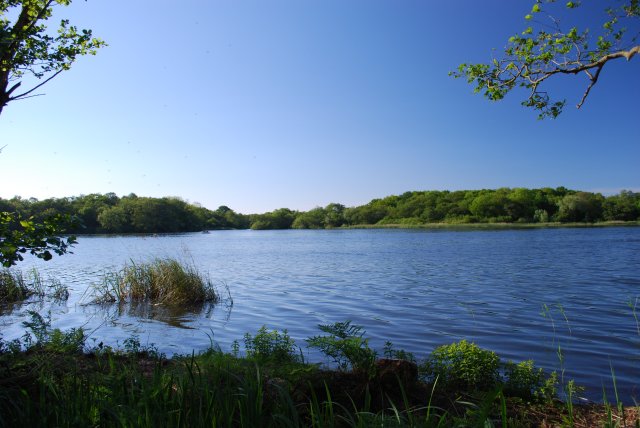
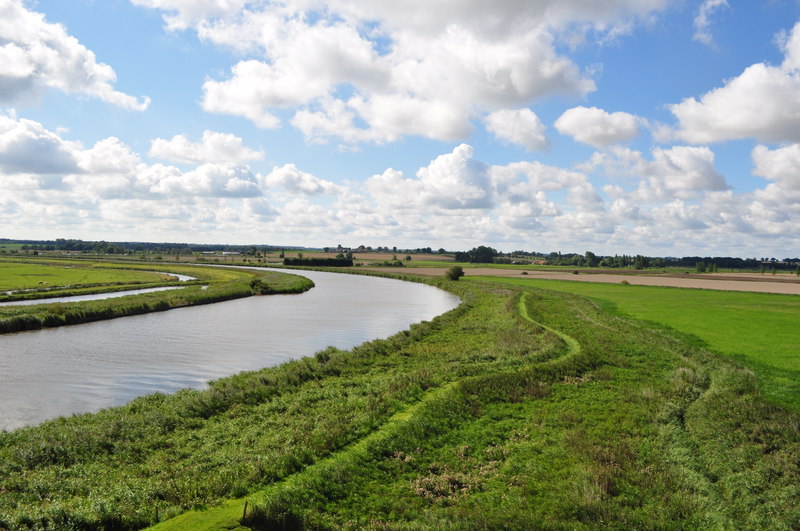
The landscape consists of seven main rivers and about 63 broads, most of which are only a few metres deep. Thirteen broads are generally open to public navigation and several others contain navigable channels. Much of the water is shallow, reed-fringed and interspersed with marsh, wet woodland and grazing marshes that form a distinctive lowland wetland environment.
History and formation
The Broads are not natural lakes in the usual sense. They were created during the medieval period by the extraction of peat for fuel and agricultural use; after the peat diggings were abandoned the pits flooded as sea levels rose and groundwater filled them. Over centuries these flooded workings evolved into the mosaic of broads, rivers and wetlands seen today.
Ecology and human uses
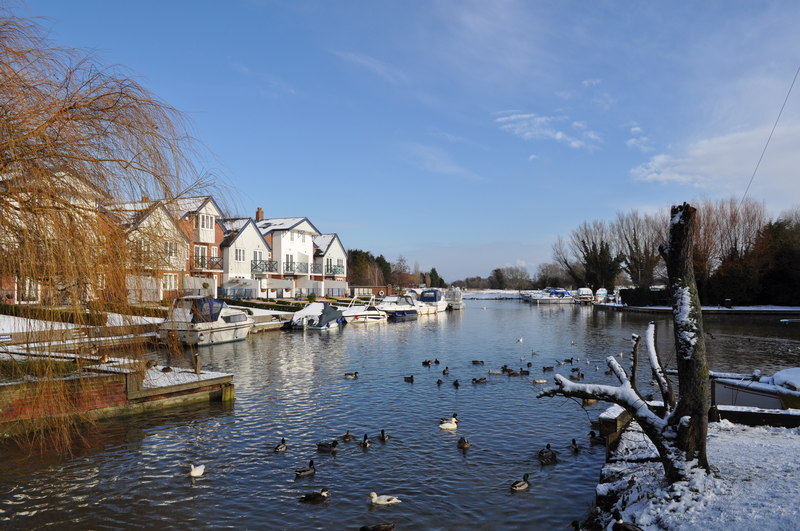
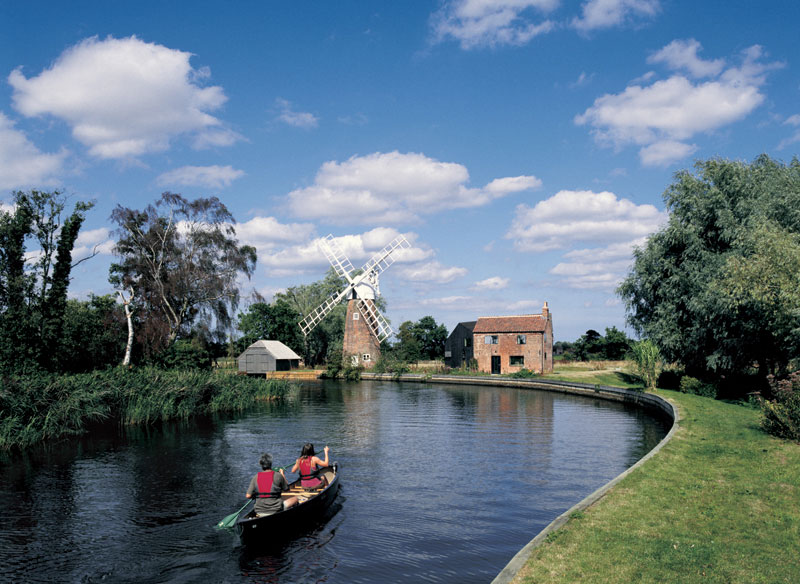
The area supports extensive reedbeds, wet meadows and a rich assemblage of aquatic plants and birds. It is particularly valued for birdlife, including species associated with reedbeds and marshes. The combination of shallow, sheltered waters and well-marked channels also makes the Broads a popular destination for boating, sailing, canoeing, fishing and wildlife watching. Small towns and villages such as Wroxham have grown as centres of tourism and boating services.
Management, protection and challenges
The Broads were given statutory protection under the Norfolk and Suffolk Broads Act of 1988 and have been managed by the Broads Authority since 1989. The Authority combines conservation and public access duties and operates with responsibilities similar to those of a national park, while retaining powers to manage navigation. Contemporary management priorities include habitat restoration, water quality improvement, flood risk management and addressing pressures from tourism and invasive non-native species.
Notable facts and further reading
- The landscape demonstrates the long-term interaction of human industry and natural processes, transforming peat diggings into valued wetlands.
- Conservation efforts balance wildlife protection with a strong recreational boating tradition.
- For official and visitor information see local county resources: Norfolk and Suffolk information, and local authority or conservation pages via Norfolk and Suffolk.
Questions and answers
Q: What are the Norfolk Broads?
A: The Norfolk Broads are a network of mostly navigable rivers and lakes in the English counties of Norfolk and Suffolk.
Q: When were the Broads made into a protected area?
A: The Broads were made into a protected area by The Norfolk and Suffolk Broads Act of 1988.
Q: Who manages the Broads?
A: The Broads Authority has managed the area since 1989.
Q: What is the size of the Broads?
A: The total area of the Broads is 303 square kilometers (117 sq mi), mostly in Norfolk, with over 200 kilometers (120 mi) of navigable waterways.
Q: How deep are the broads?
A: Most of the broads are less than 4 meters (13 ft) deep.
Q: How many rivers and broads are in the area?
A: There are seven rivers and 63 broads in the area.
Q: Are all the broads open for navigation?
A: Thirteen broads are generally open to navigation, with a further three having navigable channels.
Tags
Related articles
Author
AlegsaOnline.com Norfolk Broads — rivers, lakes and protected wetlands of East England Leandro Alegsa
URL: https://en.alegsaonline.com/art/70695
Sources
- broads-authority.gov.uk : The Broads Act