
Non-governmental organization (NGO): definition, roles, and structure
An NGO is a private, not-for-profit group independent of government that pursues social, humanitarian, environmental or advocacy goals; they vary in size, scope, funding and legal form worldwide.
A non-governmental organization (NGO) is a private association formed by individuals or legal entities to pursue objectives that are not part of government activity. NGOs typically operate on a not-for-profit basis and are independent of direct state control, although some accept government grants or contracts. The label covers a wide range of organizations — local community associations, national charities, and international networks — that work on development, humanitarian relief, human rights, environment and other public-interest issues.
Image gallery
3 Images

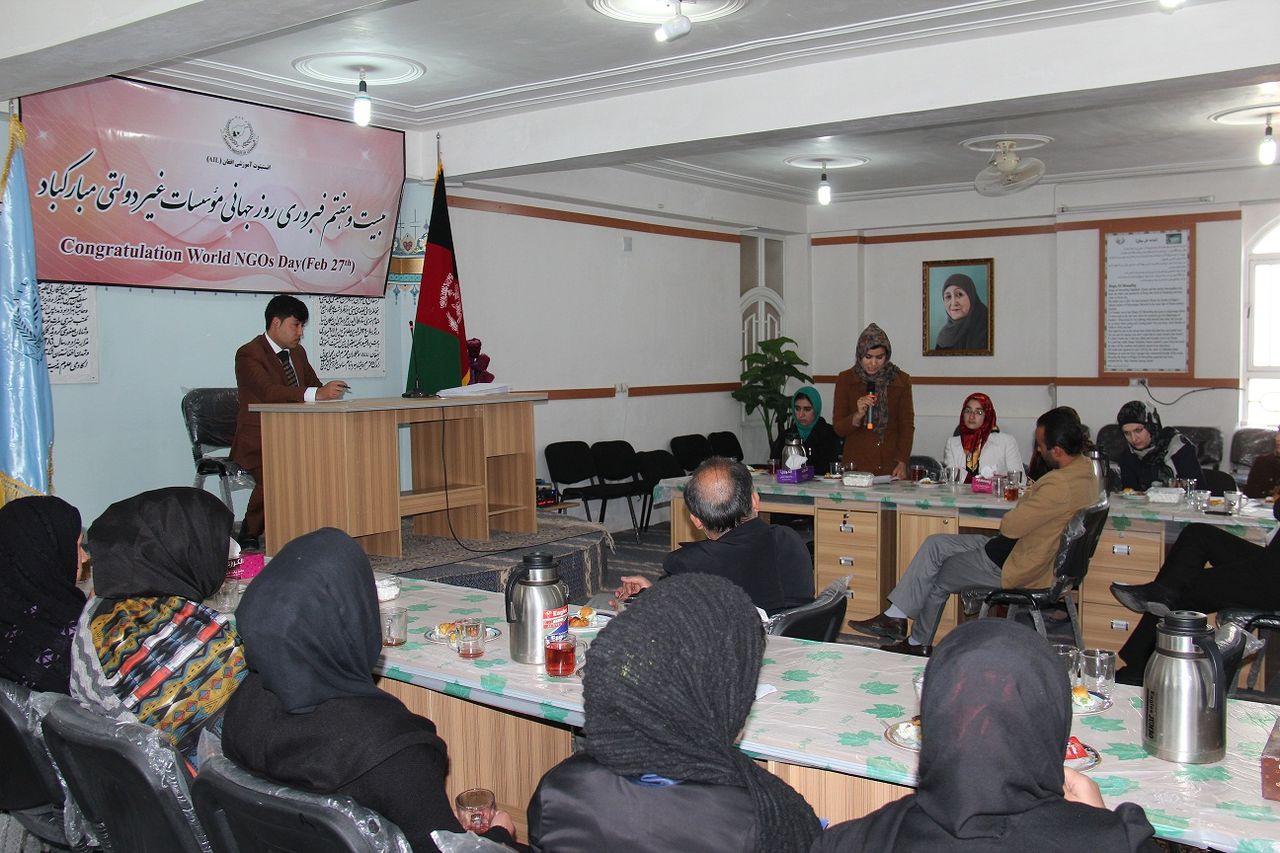
Definition and scope
The term "NGO" is common in public discussion and international relations, but it is not a single legal category everywhere. Different countries use terms such as "civil society organization," "non-profit organization" or "charity" to describe similar entities. An organization may still be called an NGO even if it receives some government funding, provided it remains organizationally independent and excludes government officials from its governing bodies. For more context on terminology and international practice, see further resources and regional definitions at relevant portals.
Common types and activities
- Humanitarian and relief NGOs: provide emergency assistance after disasters and conflicts.
- Development NGOs: run long-term programs in health, education, livelihoods and infrastructure.
- Advocacy and human rights NGOs: campaign for legal reform, accountability and civil liberties.
- Environmental NGOs: protect ecosystems, promote conservation and influence policy.
- Research and policy NGOs: produce analysis to inform governments, the public and international bodies.
History and development
Organized voluntary action has deep historical roots in mutual aid societies, faith-based charities and philanthropic foundations. In the modern sense, international humanitarian and relief organizations grew in prominence during the 19th and 20th centuries, with institutions such as the International Committee of the Red Cross and later development agencies and advocacy groups. The post‑World War II era and the rise of international institutions expanded opportunities for NGOs to engage in global policy, aid delivery and transnational advocacy networks.
Structure, funding and accountability
NGOs come in many organizational forms. They are commonly governed by a board of directors or trustees, employ paid staff and depend heavily on volunteers. Funding sources include private donations, membership fees, philanthropic grants, earned income, and sometimes public funds or contracts. This mix raises recurring questions about transparency, donor influence and accountability to beneficiaries and stakeholders. Many NGOs adopt financial audits, public reporting and codes of conduct to strengthen legitimacy and public trust.
Roles, impact and distinctions
NGOs play multiple roles: delivering services, advocating policy change, monitoring human rights, researching social problems and building civic capacity. They often act as intermediaries between communities and governments or international agencies, and can pilot innovative approaches later adopted by larger institutions. Important distinctions include:
- NGO vs. intergovernmental organization (IGO): NGOs are private; IGOs are formed by states.
- NGO vs. social enterprise: NGOs prioritize public benefit over profit distribution, whereas social enterprises combine mission with market activity and may distribute profits.
Despite their contributions, NGOs face challenges such as resource constraints, political pressure, coordination with other actors, and ensuring local ownership of projects. As global issues become more complex — climate change, migration, fragility — NGOs remain central actors in civil society, adapting their methods and partnerships to continue serving communities and influencing public policy.
Related articles
Author
AlegsaOnline.com Non-governmental organization (NGO): definition, roles, and structure Leandro Alegsa
URL: https://en.alegsaonline.com/art/70600