
No One Writes to the Colonel
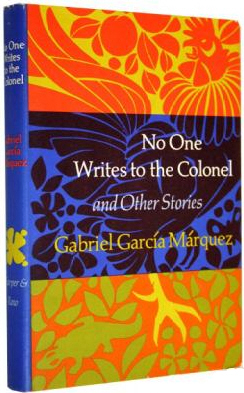
A short novel by Gabriel García Márquez (Spanish 1961; English translation 1968) about an impoverished retired officer who waits for a pension while preserving dignity and hope.
Overview
No One Writes to the Colonel (Spanish: El coronel no tiene quien le escriba) is a short novel by Gabriel García Márquez, first published in 1961 and translated into English in 1968. The work follows an elderly, retired military officer and his wife as they endure poverty and bureaucratic indifference while awaiting a promised pension. The narrative is tightly focused, economical in style, and concentrated on mood and moral detail rather than sweeping plot.
Image gallery
3 Images

Characters and motifs
The central figure is the colonel, a dignified but impoverished man whose daily life is shaped by waiting. His wife, their memories of a son lost to political violence, and a prized fighting cock form the immediate circle that drives action and symbolism. Common motifs include waiting and hope, the persistence of dignity under hardship, the effects of political turmoil on ordinary lives, and the small rituals that sustain human resilience.
Style and themes
The prose is spare and precise, often described as blending realism with lyrical understatement. Rather than overt magical elements, the story emphasizes social realism and psychological detail: how bureaucracy, rumor and communal silence can degrade citizens. Symbolic objects — especially the rooster — stand for pride, survival, and deferred justice. Readers and critics frequently note the work's meditation on loyalty, memory and the tension between private honor and public neglect.
Publication and influence
Published before García Márquez's most famous novel, the book helped establish his literary reputation outside journalism and short fiction. Its compact form makes it widely anthologized and taught in courses on modern Latin American literature. Translations and critical editions have made the story accessible to international audiences, and it is often cited as an example of how a brief narrative can carry profound social and moral inquiry.
Further reading
- Detailed summaries and critical essays are available for readers seeking deeper analysis; see the text entry at this reference.
- Compare themes here with García Márquez's other works to trace recurring concerns about memory, violence and dignity.
Related articles
Author
AlegsaOnline.com No One Writes to the Colonel Leandro Alegsa
URL: https://en.alegsaonline.com/art/70450